
Plants
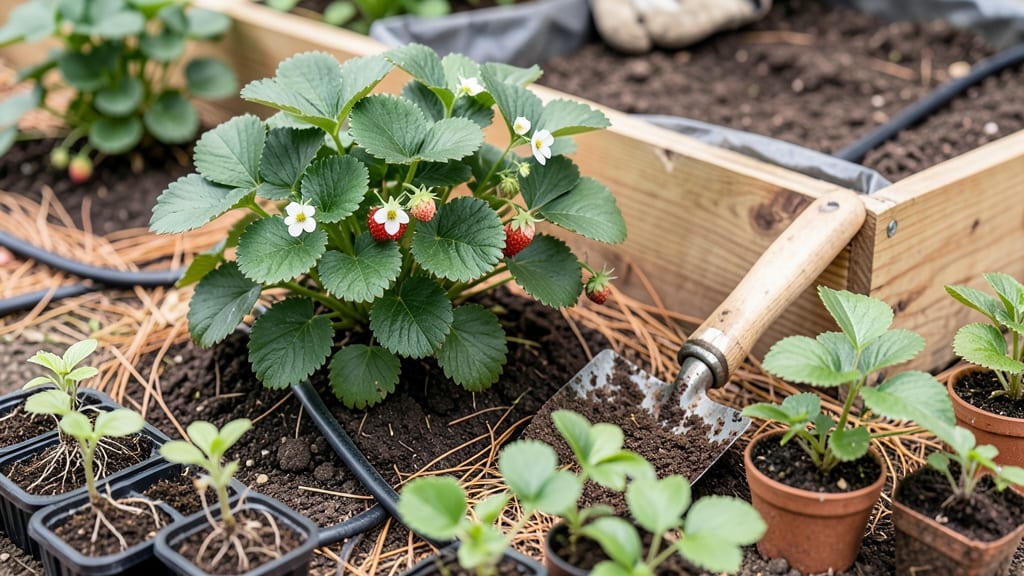
Planting strawberries in Zone 7 at the wrong time can mean the difference between a bountiful harvest and struggling plants that barely survive.
The best months to plant—early spring or early fall—align perfectly with Zone 7’s mild climate, giving your 🍓 a fighting chance to establish strong roots before extreme weather hits.
If you’ve ever wondered why some gardeners swear by spring planting while others prefer fall, the answer lies in temperature, soil conditions, and how strawberries respond to seasonal shifts. Zone 7’s unique balance of warm summers and cool winters creates a narrow window where timing truly matters.
In this guide, I’ll break down exactly when to plant—whether you’re working with bare-root plants or nursery-grown varieties—and how to prepare your soil for success. You’ll also learn how to avoid common mistakes that turn promising starts into disappointing failures.
Ready to grow strawberries that thrive all season? Let’s get your Zone 7 garden set up for the juiciest, most productive harvest yet.

Best planting months for strawberries in Zone 7: spring vs fall timing
In Zone 7, where winters are mild and summers warm, strawberries can thrive year-round—but only if planted at the right time. The best months to plant strawberries are early spring (March-April) and early fall (September-October), when soil temperatures are cool but frost-free periods are predictable.
Spring planting gives your strawberries a full growing season before winter, while fall planting allows roots to establish before dormancy. Both strategies work in Zone 7, but timing matters to avoid frost damage or overheating stress during extreme weather.
Zone 7’s last frost typically occurs around March 15, making early spring ideal for planting June-bearing varieties. For everbearing or day-neutral types, fall planting (September-October) extends harvests into late summer.
| Planting Window | Ideal Months | Soil Temp | Key Considerations |
|---|---|---|---|
| Spring Planting | March-April | 45-60°F | Avoid frost; use mulch for warmth |
| Fall Planting | September-October | 50-65°F | Plant 4-6 weeks before first frost |
| Avoid Planting | Late May-July | N/A | Risk of summer heat stress |
For spring planting, aim to get strawberries in the ground 2-3 weeks before your last frost date. In Zone 7, this means early March for most regions. If you’re using bare-root plants, soak roots overnight before planting to reduce transplant shock.
Fall planting requires more precision: plant 4-6 weeks before your first frost (typically late September-October in Zone 7). This gives roots time to establish but avoids winter dormancy before they’re settled. Use straw mulch (3-4 inches) to protect crowns during cold snaps.
Soil preparation is critical in both seasons. Strawberries prefer well-draining, slightly acidic soil (pH 5.5–6.5). Work in compost or aged manure before planting to improve fertility. Raised beds are ideal for Zone 7’s clay-heavy soils, as they prevent waterlogging.
Zone 7 gardeners often ask about late spring planting (May-June). While possible, it’s risky—young plants may struggle with summer heat and drought stress. If you must plant late, choose shade-tolerant varieties like 'Seascape' and provide afternoon shade with row covers.
Pro tip: Test your soil’s pH and nutrient levels before planting. Strawberries are heavy feeders and need balanced fertilizer (10-10-10) at planting, with follow-up feeds in early spring and late summer. Over-fertilizing leads to lush foliage but fewer berries!
🌱
Best planting months for strawberries in Zone 7: spring vs fall timing
In Zone 7, your strawberry planting window is narrow but critical—aim for either early spring (March-April) or early fall (September-October). These months give your plants time to establish roots before summer heat or winter frost hits.
Spring planting lets you harvest sooner, while fall planting often yields stronger roots for next year’s crop.
Zone 7’s last frost date (around March 15) marks the perfect cutoff for spring planting. For fall, plant at least 6-8 weeks before first frost (typically by October 1st). This timing ensures plants have time to root before dormancy sets in.
| Planting Window | Best Months | Soil Temp | Key Consideration |
|---|---|---|---|
| Early Spring | March-April | 45-55°F | Avoid frost damage; harvest by June |
| Early Fall | September-October | 50-60°F | Strong root growth before winter |
For bare-root strawberries, soak roots in water for 1-2 hours before planting to rehydrate. Nursery-grown plants can go straight into the ground, but remove any plastic pots to prevent root circling. Space plants 12-18 inches apart in rows 2-3 feet apart for optimal airflow.
Zone 7 gardeners often ask if late spring planting (May-June) works. The answer? Only for everbearing varieties, but yields will be smaller. Late planting risks summer heat stress and poor root establishment. If you miss the ideal window, consider container growing for more control.
After planting, mulch with 2-3 inches of straw to retain moisture and suppress weeds. In fall, add an extra layer of mulch (4-6 inches) to insulate roots through winter. This simple step can mean the difference between thriving plants and frost damage.
Remember: Zone 7’s mild winters make fall planting especially rewarding. Plants establish roots before dormancy, then produce larger berries next season. With the right timing, you’ll enjoy strawberries from June through August—and sometimes even into fall!