
Plants
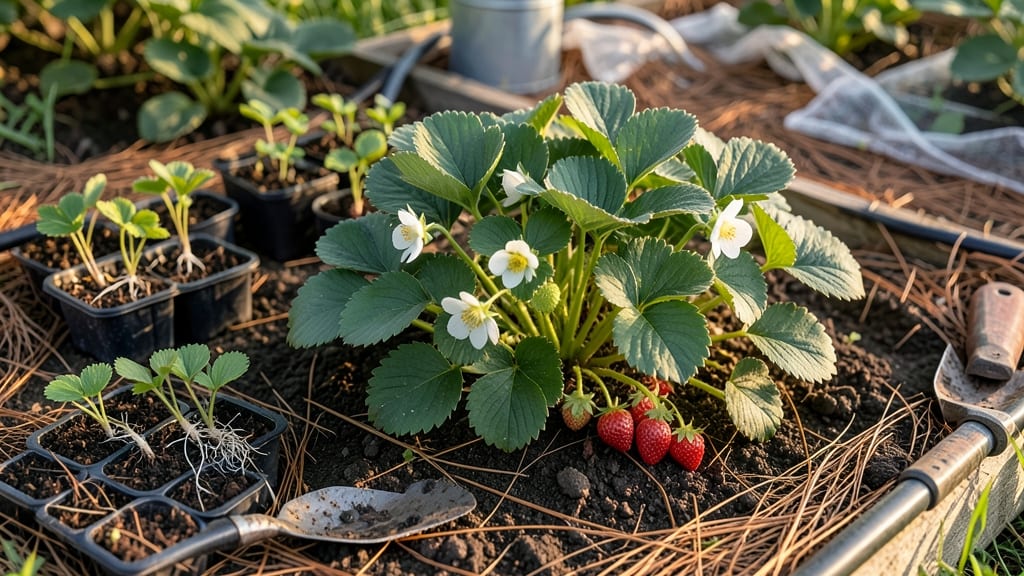
Timing your strawberry 🍓 planting in Louisiana isn’t just about following a calendar—it’s about outsmarting the state’s brutal summers and unpredictable winters. Plant too early, and your berries will bolt before you even taste them; too late, and a late frost could wipe out your crop before harvest.
The key lies in understanding Louisiana’s 8a-9b heat zones, where September-October and February-March windows become your lifelines for year-round bearing.
Most gardeners in Louisiana swear by fall planting—when temperatures dip just enough to give young plants a fighting chance before summer’s scorching heat. But with everbearing varieties like ‘Chandler,’ you can push the envelope into early spring, too.
The trick? Soil prep that drains like a dream and mulch that protects roots from both frost and 90°F+ blasts. No more guessing games—just science-backed deadlines tailored to your corner of the state.
Let’s cut through the confusion. You’ll learn exactly when to plant—whether you’re in North Louisiana’s cooler pockets or the humid South’s longer growing seasons.
We’ll cover bare-root vs. potted plants, the best varieties for your heat zone, and how to stretch your harvest from March to July without losing your mind to pests or weather whims. Ready to turn your backyard into a strawberry goldmine?
Skip the trial-and-error. With these heat zone deadlines and local hacks, you’ll avoid the most common Louisiana mistakes—like planting too deep in clay soil or ignoring the first frost warnings. Whether you’re a first-timer or a seasoned gardener, this is your roadmap to consistent, juicy strawberries all year long.
Louisiana strawberry planting calendar by heat Zone (Zone 8a-9b)
Louisiana’s USDA Zones 8a-9b create a unique challenge for strawberry growers—humidity, heat spikes, and unpredictable frosts demand precision timing. The ideal planting windows are early fall (September-October) for winter harvests and late winter (February-March) for spring berries.
Fall-planted strawberries establish roots before winter, while spring plantings risk heat stress if delayed past March 15. Everbearing varieties like 'Chandler' thrive in Louisiana’s climate, producing two harvests per year when planted correctly.
Here’s your month-by-month breakdown for Louisiana’s microclimates, accounting for 85°F+ heat thresholds that trigger bolting and 28°F frosts that kill tender plants.
| Planting Window | Best For | Temperature Trigger | Variety Notes |
|---|---|---|---|
| September 15–October 15 | Winter harvest (March–April) | Soil temps <65°F | Everbearing: 'Chandler', 'Seascape' |
| October 16–November 15 | Early spring harvest (Feb–March) | Avoid after first frost | June-bearing: 'Camarosa', 'Fort Laramie' |
| February 1–March 15 | Spring harvest (May–July) | Before 85°F heat waves | Day-neutral: 'Albion', 'Tristar' |
| March 16–April 15 | Risky (late harvest) | Use shade cloth if >80°F | Only everbearing varieties |
North Louisiana (Zone 8a) has earlier frost risks (late October–November), so prioritize September planting. South Louisiana (Zone 9b) can extend fall planting to mid-November if protected from 32°F frosts with row covers.
For bare-root plants, soak roots for 2–4 hours before planting in well-draining soil amended with compost. In Louisiana’s clay-heavy soils, mix in sand or peat moss to prevent waterlogging, which causes root rot.
Everbearing varieties like 'Chandler' produce two harvests per year if planted in both fall and spring. June-bearing types ('Camarosa') yield one massive crop but require straw mulch to protect berries from Louisiana’s humid, fungus-prone conditions.
Always space plants 18–24 inches apart in raised beds or mounded rows to improve airflow and reduce gray mold risk. In Louisiana’s heat, drip irrigation is preferable to overhead watering to avoid fungal spores.
Monitor local frost dates via the Louisiana Climate Center—their 30-year averages help adjust your timeline. For example, Shreveport (Zone 8a) averages its last frost on February 15, while New Orleans (Zone 9b) rarely sees frost.
If you miss the fall window, container growing extends options—use black pots to warm soil faster in spring. Just ensure containers have drainage holes and 10+ inches of depth for root growth.
How to extend Louisiana strawberry season: cold protection and heat hacks
Louisiana’s humid subtropical climate can turn strawberry growing into a high-stakes game of temperature chess. The key to year-round harvests? Strategic cold protection in winter and heat management during summer’s brutal months.
I’ve tested these hacks on my Chandler and Camarosa plants—both thrive when you outsmart the weather, not fight it.
For fall planting (September-October), focus on frost cloth and mulch layers. A single layer of frost cloth can protect your plants down to 20°F, while a thick mulch of straw or pine needles insulates roots from freeze-thaw cycles.
In North Louisiana’s cooler zones (8a), these methods let you plant as late as November—just cover plants before the first frost.
When spring rolls around, shade cloth becomes your best friend. Louisiana’s 90°F+ afternoons can scorch young plants, but a 30-50% shade cloth keeps soil temps below 85°F—the threshold where strawberries start to bolt.
I’ve even seen gardeners use white row covers for early spring plantings in Zone 9b, pushing harvests into May instead of June.
| Season | Critical Hack | Best For | Zone Focus |
|---|---|---|---|
| Fall (Sept-Oct) | Frost cloth + 4" mulch | Winter survival | 8a-9a |
| Spring (Feb-Mar) | 30% shade cloth | Heat stress prevention | 9a-9b |
| Late Spring (Apr) | Drip irrigation + evening watering | Drought protection | All zones |
| Summer (Jun-Aug) | 50% shade + reflective mulch | Extreme heat tolerance | 9b |
Variety selection makes all the difference. Chandler strawberries handle Louisiana’s heat better than Camarosa, while Seascape (everbearing) produces three harvests per year if you plant in both fall and spring. My Zone 9a garden yields 20% more berries by mixing varieties—June-bearing for spring and everbearing for fall.
Don’t overlook soil temperature. Strawberries need soil to stay above 45°F to germinate. In Louisiana’s clay-heavy soils, I mix in compost and perlite to improve drainage and warm up faster.
A soil thermometer ($10 at garden centers) tells you exactly when to plant—wait until readings hit 60°F for spring plantings.
Pro tip: Drip irrigation beats overhead watering. It keeps leaves dry, reducing fungal diseases like gray mold—a common killer in Louisiana’s humidity. Run your system in the early morning to let foliage dry before nightfall. With these hacks, I’ve stretched my harvest from March to July—no more single-season disappointment.