
Plants
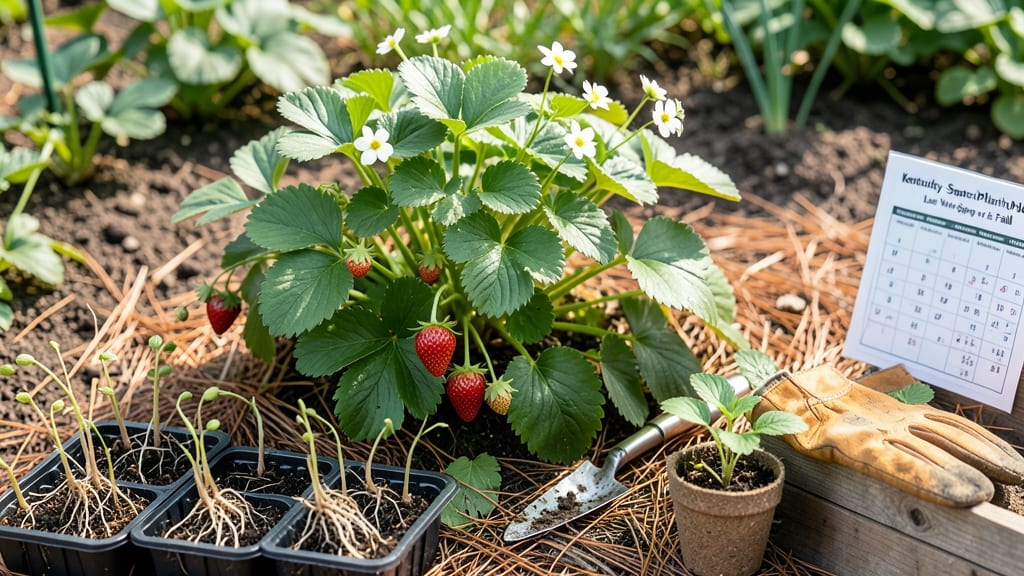
If you've ever wondered when do you plant strawberries in Kentucky, timing is everything—especially when dealing with the state's unpredictable frosts and humid summers. The difference between a bountiful harvest and a failed crop often comes down to planting at the right moment for your strawberry variety.
Kentucky's USDA zones 6a-7a mean gardeners must balance early spring warmth with late frost risks or fall's cooling temperatures. June-bearing varieties need precise timing, while everbearing types offer more flexibility. Let me show you exactly when to plant each type for maximum success in your Bluegrass garden.
For June-bearing strawberries, the ideal windows are March-April or August-September, while everbearing varieties can stretch planting slightly later. The key is preparing your soil properly and understanding how Kentucky's microclimates affect your specific planting zone.
Whether you're a first-time gardener or a seasoned grower, getting these details right will help you avoid common mistakes and set your strawberry plants up for a productive season. Let's dive into the perfect planting schedule tailored just for Kentucky gardeners.
Best planting months for Kentucky strawberries: June-bearing vs everbearing breakdown
Kentucky’s USDA zones 6a-7a create a tricky balance for strawberry growers—too early and you risk late spring frosts, too late and your plants won’t establish before winter.
The key is understanding how June-bearing and everbearing varieties respond differently to Kentucky’s climate. Let’s break down the optimal planting windows and why timing matters for your harvest.
For June-bearing strawberries, the primary planting window is early spring (March-April) when soil temperatures reach 40°F (4°C). This gives roots time to establish before the main fruiting period (May-June).
Everbearing varieties, however, offer a second chance with early fall planting (August-September), allowing for a small fall harvest before winter dormancy.
Here’s the critical detail: Kentucky’s average last frost date is March 15, but microclimates can shift this by 1-2 weeks. Planting bare-root plants too early (before soil warms) causes root rot, while planting too late (after April 15) risks poor root development before summer heat arrives.
Everbearing varieties planted in late August can produce small fall berries before winter, but they need 6-8 weeks of root growth before frost.
| Variety Type | Best Planting Window | Why It Matters | Harvest Time | Kentucky-Specific Tip |
|---|---|---|---|---|
| June-Bearing | March 1 - April 15 | Full root establishment before fruiting | Late May - June | Use row covers if frost threatens after planting |
| Everbearing | March 1 - April 15 OR August 15 - September 15 | Two harvests: spring + small fall crop | May + September-October | Fall-planted everbearers need mulch to insulate roots |
| Day-Neutral | March 15 - April 30 | Continuous fruiting all season | June - October | Ideal for container gardening in Kentucky |
If you’re planting bare-root strawberries, soak roots in lukewarm water for 1-2 hours before planting to reduce transplant shock. Kentucky’s clay-heavy soils in many areas mean amending with compost or sand is essential—aim for well-draining soil to prevent root rot, a common issue in Kentucky’s humid climate.
Everbearing varieties like ‘Albion’ or ‘Seascape’ thrive in Kentucky’s heat if given afternoon shade during peak summer.
Pro tip: Use straw mulch (not leaves) to maintain even soil moisture and suppress weeds. In Western Kentucky’s warmer microclimates, you can push fall planting to late September, but in Eastern Kentucky’s cooler zones, stick to mid-August to avoid winter kill.
The crown (where leaves meet roots) should sit flush with soil—burying it causes rot, while exposing it leads to drought stress.
For container-grown strawberries, Kentucky gardeners can plant 1-2 weeks later than in-ground varieties since pots warm faster. Choose day-neutral varieties like ‘Tristar’ for extended harvests, as they produce fruit regardless of daylight changes—a major advantage in Kentucky’s variable spring weather.
Always plant in full sun (6+ hours daily), even if it means sacrificing a shady spot in your yard.
Remember: Kentucky’s humidity levels (often 70-80%) increase disease pressure like gray mold. Space plants 12-18 inches apart for airflow and apply copper fungicide preventatively if you’ve had issues in past years.
The first year’s harvest will be minimal—focus on root and foliage growth to set up next year’s abundant crop.
Timing your strawberry
Best planting months for Kentucky strawberries: June-bearing vs everbearing breakdown
Kentucky gardeners know that timing is everything when planting strawberries, especially with our USDA zones 6a-7a. The difference between a failed crop and a bountiful harvest often comes down to choosing the right planting window for your strawberry variety.
For June-bearing types, you’ll want to plant early to avoid late frosts, while everbearing varieties offer a bit more flexibility.
In Kentucky, the ideal planting windows are March-April for early spring and August-September for fall. These periods align with soil warming and cooling trends, giving your plants the best chance to establish strong roots before winter dormancy or summer heat stress. Let’s break down the specifics for each variety type.
🍓 Strawberry Planting Schedule for Kentucky
| Variety Type | Best Planting Window | Why This Timing? | Harvest Time |
|---|---|---|---|
| June-Bearing | March-April or August-September | Avoids late frosts in spring; fall planting allows root establishment before winter. | Late May-June |
| Everbearing | March-May or August-September | Extended window for multiple harvests; fall planting yields in early spring. | May-July (with possible fall harvest) |
🌱 Pro Tip: Test soil temperature—ideal range is 45-55°F for planting.
June-bearing strawberries are the classic choice for Kentucky gardens, producing one massive harvest in late spring. Planting them in March-April ensures they’re established before the last expected frost (around March 15 in most areas).
If you opt for fall planting, aim for August-September to give roots time to settle before winter.
Everbearing varieties, like Seascape or Albion, are more forgiving. They can handle later spring plantings (up to May) and still produce two harvests per year. Fall-planted everbearers may even yield in early spring, giving you a head start on the season.
Just be mindful of Kentucky’s humid summers, which can stress plants if not managed properly.
Regardless of variety, always prepare your soil by amending it with compost or aged manure to ensure a pH of 5.5-6.5. Strawberries thrive in well-draining soil with plenty of organic matter.
After planting, mulch with straw or pine needles to retain moisture and suppress weeds—critical in Kentucky’s hot, humid summers.
One final tip: If you’re in Western Kentucky (warmer microclimate), you might push spring planting slightly later, while Eastern Kentucky gardeners should err on the earlier side. Always monitor local frost dates and adjust accordingly to give your strawberries the best possible start.