
Plants
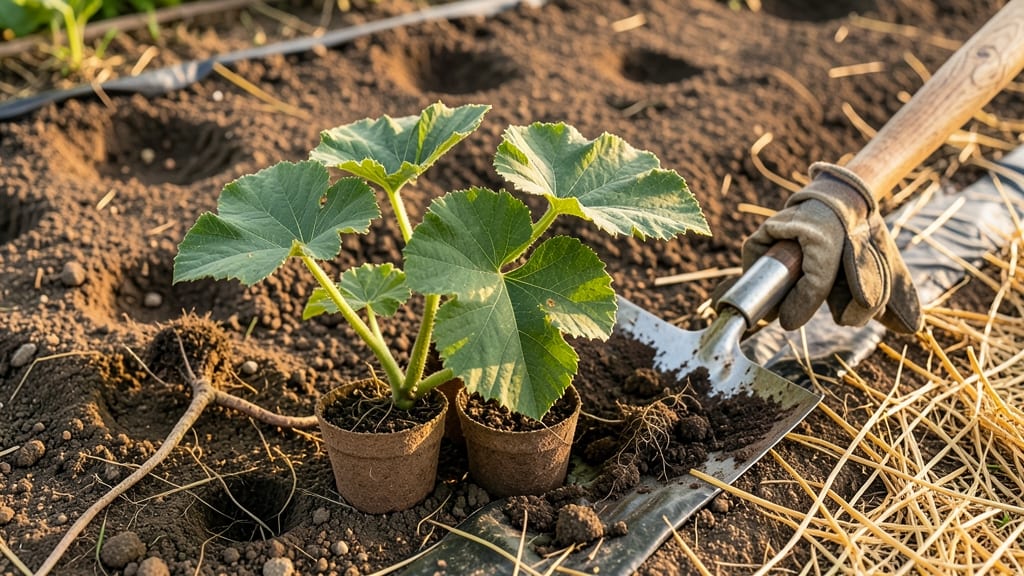
If you've ever wondered "when do you plant pumpkins in South Carolina", the answer depends on your goals—whether you're growing them for jack-o'-lanterns, pies, or just the joy of watching those 🎃 vines sprawl across your garden.
South Carolina's warm climate gives you two prime planting windows: spring (mid-April to mid-June) for early harvests, or late summer (July) for fall pumpkins that'll be ready just in time for Halloween.
But timing matters—plant too early, and frost can nip your seedlings; too late, and you might miss the sweet spot for mature fruit.
I'll break down the best planting strategies for your specific heat zone (7b-8b), including soil prep tricks to get those seeds sprouting in just 5-7 days—no waiting months for germination.
Whether you're a first-time gardener or a seasoned pro, these tips will help you grow pumpkins that thrive in our humid summers.
Ready to dive in? Let's explore how to choose the perfect planting window, select the right varieties, and ensure your pumpkins grow fast and strong—no matter if you're in the Upstate or Coastal SC.
South Carolina pumpkin planting calendar by heat Zone (Zone 7b-8a)
South Carolina’s USDA Zones 7b-8a offer a perfect window for growing pumpkins, but timing depends on your specific region. The Upstate (Zone 7b) has slightly cooler nights, while the Coastal Lowcountry (Zone 8a) enjoys warmer soil earlier.
Both regions benefit from planting after the last frost date, typically around mid-April, but with flexibility for summer options.
Pumpkin seeds need soil temperatures of 55-60°F to germinate properly. In South Carolina, this usually aligns with late April to early May for spring plantings.
However, you can also plant for a fall harvest by sowing seeds in late June to early July, ensuring they mature before the first frost in November.
For the most accurate timing, check your local frost-free days—South Carolina typically offers 215 frost-free days—and adjust planting dates accordingly. Coastal areas can start slightly earlier, while inland regions may need to wait until soil warms fully.
Here’s a breakdown of your optimal planting windows based on South Carolina’s heat zones, including soil temperature thresholds and frost risk:
| Planting Window | Soil Temp Threshold | Frost Risk | Ideal Varieties |
|---|---|---|---|
| Mid-April to early May | 55-60°F | Low (after last frost) | 'Howden', 'Jack-be-Little' |
| Late June to early July | 60-65°F | Moderate (harvest before frost) | 'Cinderella', 'Small Sugar' |
| August (for late fall harvest) | 65°F+ | High (race against frost) | 'Autumn Gold', 'Minnesota Wonder' |
If you’re growing miniature or bush varieties, you can extend your planting window slightly later, as they mature faster (75-90 days) compared to standard vining types (90-120 days).
For example, 'Jack-be-Little' can be planted as late as early June in Zone 8a and still yield a harvest before frost.
For direct sowing (planting seeds outdoors), wait until the soil is consistently warm—stick your finger 2 inches deep, and if it feels cool, wait a few more days.
Coastal areas like Charleston may reach this threshold by early April, while the Upstate might need to wait until mid-May.
Pro tip: Use a soil thermometer to monitor temperatures, especially if you’re planting in raised beds, which warm up faster than in-ground soil. Aim for 60°F or higher for the best germination rates in South Carolina’s humid climate.
Remember, pumpkins thrive in warm weather, so avoid planting too early—cool soil and nighttime temperatures below 60°F can stunt growth or delay germination by 1-2 weeks. Adjust your schedule based on your specific microclimate within the state.
Once planted, maintain consistent moisture and watch for powdery mildew, a common issue in South Carolina’s humid summers. Mulching with straw can help regulate soil temperature and reduce disease risk.
How to choose between spring vs. summer pumpkin planting in SC
Deciding whether to plant pumpkins in spring or summer in South Carolina depends on your harvest goals and climate risks. Both seasons offer unique advantages, but each comes with trade-offs that can make or break your pumpkin patch.
Let’s break down the pros and cons so you can pick the best time for your garden.
Spring planting (mid-April to mid-June) gives you a head start on the growing season, allowing pumpkins to mature before the first frost in November. However, early starts can expose seedlings to unpredictable late frosts, especially in the Upstate where temperatures dip lower.
Summer planting (July), on the other hand, avoids frost risks entirely but may result in smaller pumpkins if the growing season shortens before winter.
For Halloween displays, summer planting is ideal—it aligns perfectly with the holiday season. But if you’re aiming for pie pumpkins or larger varieties, spring planting might yield better results.
The key is matching your variety to the season: fast-maturing types like 'Howden' thrive in summer, while 'Cinderella' or 'Jack-Be-Little' do better with a spring start.
Spring vs. Summer Pumpkin Planting in SC
If you’re planting in spring, opt for varieties like 'Sugar Pie' or 'Gladiator', which handle cooler soils better. For summer planting, stick with 'Jack-Be-Little' or 'Autumn Gold'—they mature quickly and thrive in the heat.
Pro tip: Use black plastic mulch to warm the soil faster in spring, or straw mulch in summer to retain moisture and keep roots cool.
Regardless of when you plant, always monitor your pumpkins for powdery mildew—a common issue in SC’s humid summers. Space your plants 4-6 feet apart and prune vines to improve airflow. With the right timing and care, you’ll be carving (or baking!) pumpkins like a pro by fall.
Ready to pick your planting window? Start with soil prep now—whether you’re gearing up for spring or summer, healthy soil is the foundation for fast germination and bountiful harvests. 🎃