
Plants
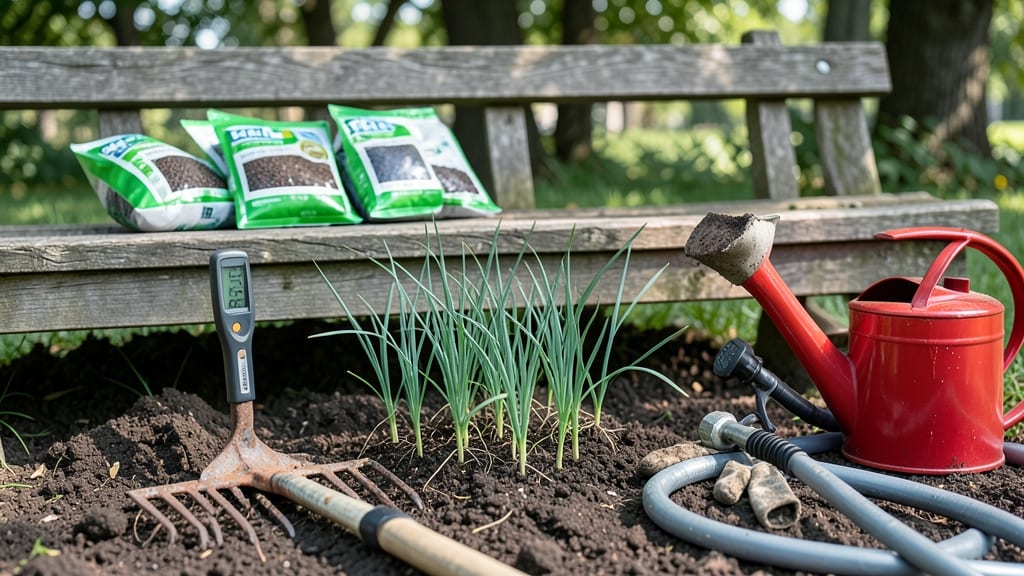
Planting your spring grass at the wrong time can leave you staring at a patchy lawn all summer—but timing it just right guarantees a thick, vibrant carpet by summer's end.
The key isn't just waiting for warm weather; it's understanding when your soil reaches the perfect temperature for fast germination, which varies dramatically by region.
In USDA Zone 6a, where many homeowners live, the ideal window opens between early and mid-spring, typically after the last frost (around April 15 in most areas). Cool-season grasses like Kentucky bluegrass thrive when soil temperatures hit 55-65°F, while warm-season varieties prefer the heat of late spring.
Getting this right means the difference between a lush lawn and months of frustration.
I'll show you exactly how to test your soil temperature, choose the right grass type for your climate, and avoid common mistakes that slow down growth. With these proven tricks, you'll have a lawn that's not just green, but established and strong in just a few weeks.
Whether you're seeding a new yard or overseeding an existing one, the right timing and prep work make all the difference. Let's get your grass off to the fastest, most reliable start possible—so you can stop worrying and start enjoying your outdoor space sooner.
Optimal soil temperature for planting grass in spring
Getting your soil temperature right is the #1 factor for successful spring grass planting. Cool-season grasses like Kentucky bluegrass and fescue need soil between 55-65°F to germinate properly, while warm-season types like Bermuda prefer 65-75°F.
Planting too early when soil is still cold slows growth, while waiting too long risks summer heat stress.
Most gardeners assume "spring" means March or April, but soil warmth lags behind air temperature. A soil thermometer ($10 at garden centers) is your best tool—stick it 2-3 inches deep for accurate readings.
If your soil hasn't warmed enough by late April, don't rush—waiting a few weeks prevents seed waste and weak starts.
Northern regions (Zones 3-6) often see ideal temps in late April to early May, while Southern zones (7-10) can plant as early as February for warm-season grasses.
The key is consistent warmth: seeds need 3-5 days of stable temps to sprout. Check your local USDA Plant Hardiness Zone for regional guidance.
Pro tip: Cover newly seeded areas with straw mulch (not hay—it contains weed seeds) to retain heat. This creates a microclimate that encourages faster germination, especially in cooler springs. Just be sure to keep it 1/4-inch thick to avoid smothering seeds.
Here’s how to test your soil without a thermometer: Press your finger into the ground—if it feels warm like a fresh-baked cookie (not hot), it’s likely ready.
Or dig a small hole and check if the soil crumbles easily (dry) or feels damp (too cold). Aim for that slightly moist but not soggy texture.
| Grass Type | Ideal Soil Temp | Best Planting Window | Signs Soil’s Ready |
|---|---|---|---|
| Cool-Season (Kentucky Bluegrass, Fescue, Ryegrass) | 55–65°F | 4–6 weeks after last frost | Soil feels warm like a baked potato; no frost risk |
| Warm-Season (Bermuda, Zoysia, St. Augustine) | 65–75°F | Late spring to early summer (May–June) | Soil is hot to touch; daytime temps >70°F |
| Transition Zone (Mixed Types) | 50–60°F (early) or 70–80°F (late) | Early spring (cool-season) OR late spring (warm-season) | Check local frost dates; use mulch for warmth |
If your soil is too cold when you’re ready to plant, try black plastic mulch to warm it faster. Lay sheets over prepared beds for 1–2 weeks before seeding.
This trick is especially useful in Zone 4–6 where springs can be unpredictable. Just remove the plastic right before planting to avoid seed burns.
Remember: Seed dormancy is your friend in early spring. Many grass seeds stay dormant until soil temps rise, so don’t panic if germination takes 2–3 weeks. Keep the area consistently moist (not soggy) and patient—your lawn will thank you with faster, stronger growth come summer.
One common mistake? Planting when daytime temps fluctuate wildly (e.g., 60°F days but 40°F nights). Seeds need stable warmth to germinate. Use a minimum-maximum thermometer to track overnight temps—ideal nights stay above 50°F for cool-season grasses.
For renters or small spaces, test soil in containers first. Fill a pot with your garden soil, add water, and check the temp with a thermometer. If it’s ready, your in-ground soil likely is too. This DIY test saves time and seed money.
Final pro move: If your spring is unusually cold, opt for ryegrass as a temporary cover. It germinates at 40°F and holds soil until warmer weather arrives. Mix it with your permanent grass seed for a two-for-one solution.
Best spring planting windows by US climate Zones
Planting grass at the wrong time in spring can lead to slow germination or even seed failure. The key is understanding your USDA climate zone and whether you're growing cool-season or warm-season grass.
Northern regions thrive with cool-season grasses like Kentucky bluegrass, while Southern areas prefer warm-season varieties such as Bermuda. Let's break down the best planting windows by region to maximize your lawn's success.
For Northern states (Zones 3-6), the ideal window is early to mid-spring, typically March to early May. This timing ensures soil temperatures stay between 55-65°F, perfect for cool-season grasses.
In Southern states (Zones 7-11), focus on late spring to early summer, usually April to June, when soil warms up to 65-75°F for warm-season grasses.
🌱
| Climate Zone | Grass Type | Best Planting Months | Soil Temp (°F) |
|---|---|---|---|
| Zones 3-6 (North) | Cool-Season (Kentucky Bluegrass, Fescue) | March–Early May | 55–65°F |
| Zones 7-9 (South) | Warm-Season (Bermuda, Zoysia) | April–June | 65–75°F |
| Zones 10-11 (Tropical) | Warm-Season (St. Augustine) | May–July | 70–80°F |
| Transition Zones (6-7) | Cool or Warm-Season | March–June | 55–70°F |
If you're in a transition zone (like Zone 6-7), you can plant either cool-season grasses in early spring or warm-season grasses in late spring.
However, avoid planting warm-season grasses too early—they’ll struggle in cool soil. Similarly, cool-season grasses planted too late may not establish before summer heat sets in.
Always check your last frost date and wait 4-6 weeks after it before planting. For example, if your last frost is April 15, aim for planting by May 15.
Use a soil thermometer to confirm temperatures are in the ideal range before seeding—this small step can make a huge difference in germination speed.
Pro tip: In dry climates (Zones 4-8), consider fall planting for cool-season grasses. The cooler temperatures and consistent moisture from fall rains often lead to better establishment than spring planting. But if you're committed to spring, focus on early morning watering to keep seeds moist without overheating.
Regardless of your zone, avoid planting in extreme heat or drought. Grass seeds need consistent moisture to germinate, and high temperatures can cause them to dry out before sprouting. If your spring is unusually dry, consider overseeding in fall instead.