
Plants
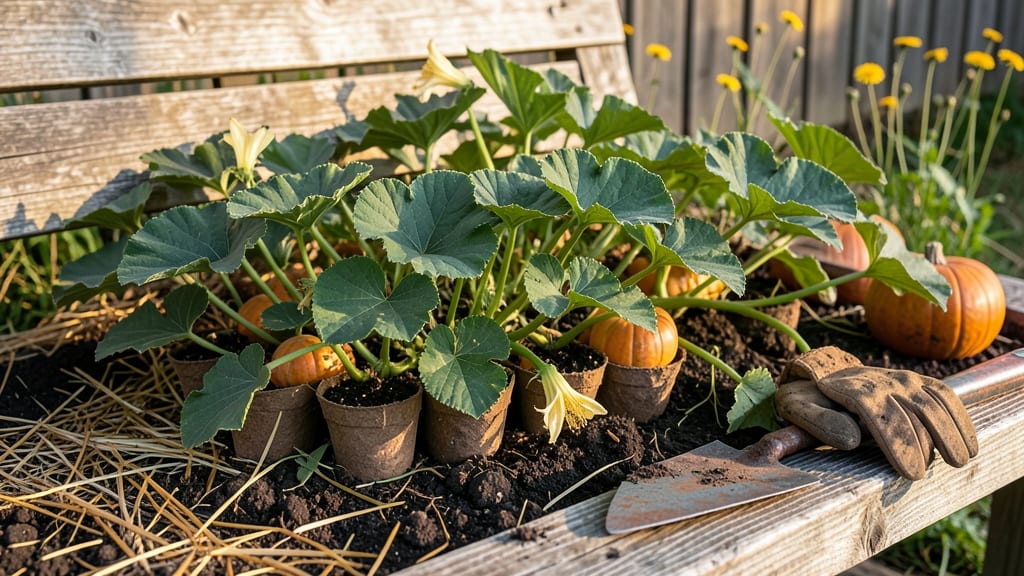
If you’ve ever wondered when to plant pumpkins in Kansas and dreaded the thought of frost ruining your harvest, you’re not alone. Kansas’ 5b-7a climate demands precision—plant too early, and your seeds rot; too late, and your vines struggle to mature before winter.
The key isn’t just avoiding frost but timing it with soil warmth and daylight, which can shift dramatically between eastern and western Kansas.
Most gardeners in the Sunflower State swear by mid-April to early June, but that’s just the starting point. The real secret lies in waiting for soil temperatures to hit 60°F or higher, a critical threshold pumpkin seeds need to germinate.
Skipping this step means wasted effort—and who has time for that? Let’s break down the exact window your Kansas zone needs for a bumper crop of 🎃.
Here’s what you’ll discover: how to calculate your local last frost date (yes, it varies by county), why black plastic mulch can shave weeks off your growing season, and the best pumpkin varieties for Kansas’ short-but-sweet summers.
Whether you’re a first-time gardener or a veteran with a few failed patches behind you, these tips will help you finally grow pumpkins that rival the ones at the farmers’ market.
Ready to turn your backyard into a pumpkin patch? Let’s get into the specifics—soil prep, frost dates, and all the tricks Kansas gardeners use to beat the odds. Your future jack-o’-lanterns will thank you.
Kansas pumpkin planting calendar: exact dates by region based on last frost
Kansas’ USDA Zones 5b-7a mean your pumpkin planting window can shift by weeks depending on whether you’re in eastern humid zones or western drier plains.
The last average frost date in most of Kansas falls between April 1 and April 15, but microclimates near rivers or hills can delay frost by 1-2 weeks. For reliable germination, wait until soil temps hit 60°F—not just air temps.
In Zone 5b (northeast Kansas), plant mid-April to early May for classic varieties like 'Howden'. Gardeners in Zone 7a (southwest Kansas) can start as early as late March for fast-maturing types like 'Jack Be Little'. Container growers should push dates back by 2-3 weeks since pots warm slower.
Here’s how to calculate your exact window: Check the National Weather Service’s historical frost data for your county, then add 2-3 weeks to account for soil warming. For example, Wichita (Zone 7a) averages its last frost on March 28, but seeds won’t thrive until April 15.
| Region | USDA Zone | Last Frost | Ideal Planting | Harvest Window |
|---|---|---|---|---|
| Northeast KS | 5b | April 15 | May 1-15 | Sept 15-Oct 10 |
| Central KS | 6a | April 1 | April 15-May 1 | Sept 1-Oct 5 |
| Southwest KS | 7a | March 28 | Late March-April 15 | Sept 15-Oct 15 |
| Containers | All | N/A | May 1-15 | Sept 1-Oct 1 |
For early varieties (75-day maturity), you can push planting to late May—just ensure vines have 90+ days until first frost. In humid eastern Kansas, prioritize disease-resistant varieties like 'Autumn Gold' to combat powdery mildew.
Western Kansas gardeners should focus on drought-tolerant types such as 'Minnesota Spoon' for water conservation.
Pro tip: Use black plastic mulch to warm soil faster—this can shave 1-2 weeks off your planting window. Lay it down 2 weeks before your target date to maximize heat retention. Pair this with row covers for a 2-week head start on the season.
If you’re succession planting for a fall harvest, space out seeds every 2 weeks from April through early June. This ensures a staggered harvest from September through October, giving you fresh pumpkins for carving and baking all season long.
Remember: Kansas’ clay-heavy soils can stay cold longer. Test soil temps with a soil thermometer at 4-inch depth—aim for 70°F+ for consistent germination. If your soil runs cooler, opt for warm-season varieties like 'Cinderella' that thrive in 65°F+ conditions.
🎃
Soil temperature secrets: when Kansas soil is Really Ready for Pumpkin Seeds
Kansas gardeners often make one critical mistake when planting pumpkins: they focus on air temperature instead of soil temperature. Just because your thermometer reads 55°F in the shade doesn’t mean your pumpkin seeds will germinate.
These heat-loving plants need soil that’s consistently 60°F or warmer, and Kansas’ clay-heavy soils can take weeks longer to warm up than sandy areas.
Think about it—your pumpkin seeds are sitting in the ground, waiting for the perfect conditions. If the soil is too cool, they’ll rot instead of sprouting. That’s why I always check soil temperature with a soil thermometer (or even a reliable weather app) before planting.
In most of Kansas, this means waiting until mid-to-late May for western regions and early May for eastern zones like Kansas City.
Here’s the kicker: even if you plant after the last frost, cold soil will stall germination. I’ve seen gardeners rush to plant in April only to watch their seeds sit in the dirt for weeks, waiting for warmth.
That’s time—and money—wasted. The key is patience. Wait until the soil hits that 60°F threshold, and you’ll see those first little sprouts within 5-7 days.
🌱
Planting pumpkins when the air is warm but the soil is still cold. Pumpkin seeds need 60°F+ soil to germinate—cold soil = rotten seeds. Use a soil thermometer (not air temp) to avoid this costly error.
Kansas’ clay-heavy soils play a big role here too. Clay retains heat better than sandy soil, but it also drains poorly when wet. If your soil is soggy in spring, consider amending it with compost or sand to improve drainage and warmth.
I’ve found that raised beds warm up faster in cooler springs, making them ideal for early planting in Zone 5b areas.
Pro tip: If you’re eager to get started, use black plastic mulch to warm the soil faster. Lay it down a week before planting, and you’ll see soil temperatures rise by 5-10°F.
This trick can shave weeks off your growing season, giving you a head start on those 90-day varieties.
Remember, pumpkins are warm-season crops, and they won’t tolerate cool soil. By the time your soil hits that sweet spot, you’ll be ready to see those first green shoots pushing through the dirt—proof you’ve timed it just right.
Now, let’s talk about how to keep those vines thriving once they’re in the ground.
☀️