
Plants
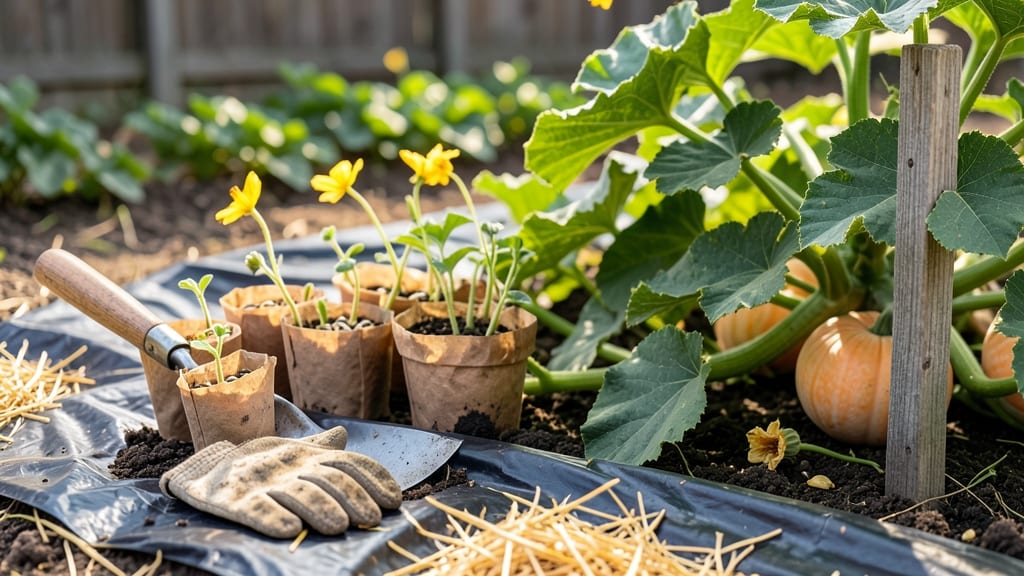
Planting pumpkins in Indiana isn’t just about picking a date—it’s about outsmarting the Hoosier climate’s mood swings. With last frosts lingering around April 15 and early autumn chills creeping in by October, timing your 🎃 seeds could mean the difference between a bumper crop and a sad, wilted vine.
Most gardeners in USDA Zone 6a swear by late April to early May as the sweet spot, but soil temperature matters more than the calendar. Your pumpkin seeds need 60°F+ soil to sprout reliably—cold soil keeps them dormant, and waiting for warmth saves you from replanting headaches.
Here’s the game-changer: whether to start seeds indoors or sow directly outdoors depends on your variety and patience. Fast-maturing types like ‘Howden’ can handle a late start, while heirlooms need every warm day to bulk up.
I’ll break down the exact steps to maximize your harvest, from frost-proofing your plot to choosing the right neighbors (marigolds, anyone?).
Ready to turn your Indiana garden into a pumpkin patch? Let’s dive into the frost-free timeline that’ll have your vines thriving—and your kitchen stocked with homegrown goodness all season long.
Indiana pumpkin planting dates by hardiness Zone (with frost risk alerts)
Indiana spans USDA Hardiness Zones 5a to 6b, meaning your last frost date can vary wildly—from mid-April in southern Indiana to late May in the northern tier. For pumpkins, this means soil temperature (not air temperature) is your true planting guide.
Aim for 60°F+ soil, which typically aligns with late April to early May in most of the state.
Northern Indiana (Zones 5a-5b) has the tightest window—wait until May 10-20—while southern Indiana (Zone 6a) can often plant by April 20-30. The key? Monitor soil temps with a thermometer or wait for 3 consecutive days above 60°F.
Cold soil delays germination, leaving seedlings vulnerable to late spring frosts.
🎃
For direct sowing (planting seeds outdoors), Indiana gardeners should wait until all danger of frost has passed—typically 2 weeks after your average last frost date. This accounts for late spring cold snaps, which can still hit in May.
If you’re transplanting seedlings, start them indoors 3-4 weeks before your target outdoor date.
Choose fast-maturing varieties (70-90 days) for northern Indiana to ensure harvest before first frost. Southern Indiana can handle slightly longer seasons (up to 120 days) with varieties like 'Long Island Cheese'.
Always check your frost-free days—Indiana’s range from 140 days in the north to 180 in the south.
🌱
If you’re in Zone 5a, consider row covers or a mini greenhouse to extend your season. Even a clear plastic bottle cloche can protect young seedlings.
For Zone 6b, you might even squeeze in a second planting of fast varieties in early July for a fall harvest before hard frosts.
Remember: Pumpkins hate cold feet. Test your soil with a thermometer—below 55°F and seeds won’t germinate. Above 90°F, and you risk blossom drop. Indiana’s humidity also plays a role; mulch heavily to retain moisture and prevent powdery mildew.
🌡️
Indiana pumpkin planting dates by hardiness Zone (with frost risk alerts)
Indiana’s USDA Zones 5a–6b demand precision when planting pumpkins—one week too early can mean frost-nipped seedlings, while waiting too long risks a short harvest season. The key is aligning your planting with soil temperatures (not just air temps) and your local last frost date.
Most Hoosier gardens aim for late April to early May, but northern Indiana (Zone 5a) may need to wait until mid-May for safety.
Soil thermometers are your best friend here. Pumpkin seeds need 60°F+ soil to germinate reliably—cold soil delays sprouting by weeks. In Zone 6a (central/southern Indiana), this typically means waiting until after April 15, but always verify with your local Purdue Extension frost data.
Pro tip: Use black plastic mulch to warm soil faster if you’re eager to plant early.
Here’s the game-changer: whether to start seeds indoors or direct-sow outdoors depends on your variety. Fast-maturing types like ‘Howden’ (75-day harvest) can handle late starts, while heirlooms like ‘Long Island Cheese’ need every warm day to bulk up.
I’ll break down the exact timelines below—plus how to adjust for Indiana’s infamous late spring cold snaps.
🌱 Indiana Pumpkin Planting Timeline Comparison
| Method | Zone 5a (Northern IN) | Zone 6a (Central/Southern IN) | Soil Temp Threshold | Key Notes |
|---|---|---|---|---|
| Direct Sow Outdoors | Mid-May | Late April | 60°F+ | Use row covers for late snaps |
| Start Indoors (Transplant) | Early April (harden off by May) | Late March (harden off by April) | 55°F+ soil | Best for heirlooms; avoid transplant shock |
| Fast Varieties (e.g., 'Howden') | Late May (still works) | Early June (emergency plant) | 55°F+ | 75-day harvest; salvage late starts |
📅 Pro Tip: Check Purdue’s frost calendar for your county’s 10-year averages.
Don’t let Indiana’s unpredictable weather derail your pumpkin dreams. If a late frost threatens after planting, rush to cover seedlings with frost cloth or a cold frame.
For southern Indiana (Zone 6b), you might even squeeze in a second planting in early June for smaller varieties like ‘Jack Be Little’—just be ready to harvest by early October.
Remember: pumpkins need 90–120 days to mature, so count backward from your first frost date (usually mid-October). Planting on time isn’t just about avoiding frost—it’s about giving your vines enough warm days to bulk up those gourds before the season ends.
Next, we’ll cover the 5 red flags that your planting timing might be off—and how to fix it.