
Plants
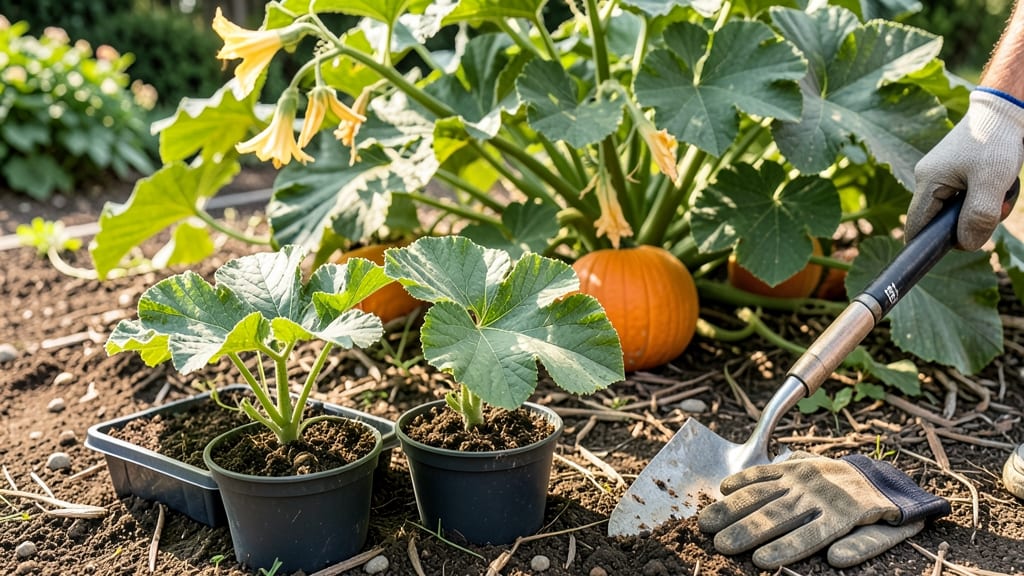
If you're dreaming of carving 🎃 giant pumpkins this Halloween, timing your planting in California isn't just about picking a month—it's about mastering the state's wild climate swings. Coastal fog can delay growth, while Central Valley heat might scorch tender seedlings if you plant too early.
Get it right, and you'll enjoy a bumper crop by autumn; get it wrong, and you might end up with bitter vines or no fruit at all.
The key to success lies in understanding your microclimate. Whether you're in frost-free Zone 9a-10b or battling unexpected chill near the coast, the optimal window shifts dramatically. Spring plantings typically start in March for inland areas, but coastal gardeners often wait until April to avoid cooler soil temperatures.
And don't overlook fall plantings—September through October can yield winter squash just in time for holiday feasts.
What makes California pumpkin growing particularly tricky? Unlike other regions, we don't have to worry about frost, but we do need to account for soil temperatures and day-length sensitivity.
Most varieties need 90 days of warmth to mature, so planting too late in spring might leave you harvesting in November instead of October. The solution? Choose the right variety for your zone and plant when soil hits 60°F—that's your green light to start.
Ready to avoid common pitfalls? I'll walk you through the exact planting calendar for your microclimate, plus the 5 critical factors that separate successful harvests from disappointing vines. Let's get those pumpkins growing the right way.
California pumpkin planting calendar by microclimate zone
California’s microclimates create a puzzle for pumpkin growers. Coastal areas like San Francisco have chillier springs, while Death Valley can hit 100°F+ by May. Even Central Valley zones vary by 50°F between morning and afternoon.
To succeed, align your planting with soil temperature (ideal: 55-60°F), daylength sensitivity, and heat tolerance of your chosen variety.
Most California gardeners focus on spring planting (March-May) for summer harvests, but fall planting (September-October) works in cooler inland areas. The key? Avoid planting when soil temps exceed 90°F—seeds won’t germinate, and seedlings will bolt (flower prematurely).
Below, I’ve broken down the optimal windows for California’s four distinct zones, including heat-tolerant varieties for desert regions.
🌱 Pro Tip: Use a soil thermometer ($10 at garden centers) to confirm readiness. Dig 2 inches deep—this is where your seeds will germinate. If temps are below 55°F, wait or use black plastic mulch to warm the soil faster.
| Zone | Ideal Planting Window | Soil Temp for Germination | Heat Tolerance Notes | Harvest Window |
|---|---|---|---|---|
| Coastal (San Francisco, Santa Barbara) | Late March–April | 55–60°F | Low; risk of bolt in summer | August–October |
| Central Valley (Sacramento, Fresno) | Mid-March–May | 60–65°F | Moderate; plant heat-tolerant varieties | July–September |
| Desert (Palm Springs, Joshua Tree) | September–October (fall only) | 65–70°F | High; use shade cloth in summer | November–December |
| High Elevation (Mount Shasta, Lake Tahoe) | Late April–May | 50–55°F | Low; shorter growing season | September–October |
For coastal gardeners, timing is critical—plant too early, and you’ll face cold snaps (unlikely but possible in Santa Barbara). Plant too late, and your pumpkins won’t mature before fall rains increase disease risk.
My San Francisco garden thrives with ‘Jack Be Little’ pumpkins planted in late March—smaller varieties handle our cool summers better.
In the Central Valley, where heat arrives early, aim for mid-March plantings. Use black plastic mulch to warm soil faster and drip irrigation to avoid bolt from stress. ‘Howden’ and ‘Small Sugar’ varieties are heat-tolerant picks for this zone.
Desert gardeners have a narrow window: September–October is your only shot. Soil temps can stay above 90°F until November, so shade cloth (30–50%) is a must. ‘Cinderella’ pumpkins, bred for heat tolerance, are my go-to for Palm Springs—they handle 110°F days better than most.
High-elevation areas like Lake Tahoe can plant later (May) but must choose fast-maturing varieties (70–80 days to harvest). ‘Autumn Gold’ is a reliable pick, though yields may be smaller due to shorter daylight in fall. Always start seeds indoors 2–3 weeks before transplanting to extend your season.
🎃 Key Takeaway: California’s diverse zones mean no single "best month" exists. Use soil temperature as your guide—not the calendar. For coastal areas, March–April
California pumpkin planting calendar by microclimate zone
California’s microclimates create wildly different planting windows for pumpkins. Inland areas like the Central Valley can start as early as late February, while coastal regions often wait until mid-April to avoid chilly soil.
Desert zones like the Coachella Valley may even plant in September for fall harvests. The key is aligning your planting with soil temperatures of 55-60°F—that’s when seeds germinate reliably.
Don’t assume one-size-fits-all advice works here. A Santa Barbara gardener’s schedule differs drastically from a Bakersfield grower’s due to coastal fog delays versus inland heat spikes. Even within USDA Zone 9a-10b, elevation changes can shift your ideal window by weeks.
For example, high-desert areas like Eagle Lake might plant 2 weeks later than nearby Sacramento to avoid premature bolting.
Pro tip: Use a soil thermometer to confirm readiness—seeds won’t germinate well below 55°F, even if air temps feel warm. In coastal zones, wait until morning soil temps consistently hit 60°F before planting.
For desert areas, fall plantings avoid the brutal summer heat that can scorch seedlings in days. And remember: 90-day varieties need precise timing to mature before winter rains arrive.
For coastal gardeners, consider fast-maturing varieties like ‘Jack Be Little’ (75 days) to account for slower growth in cooler, foggy conditions. Inland growers can opt for heirlooms like ‘Atlantic Giant’ (120+ days), but only if planting by March 1st to ensure harvest before summer’s peak heat.
Always check your last frost date—even though California rarely freezes, unexpected chill can stunt young plants.
One final rule: Never plant pumpkins in January, even in mild zones. The day-length sensitivity of most varieties means they’ll bolt (flower prematurely) if exposed to long winter days. Stick to the spring or fall windows, and you’ll maximize your chances of plump, disease-free pumpkins by autumn.