
Plants
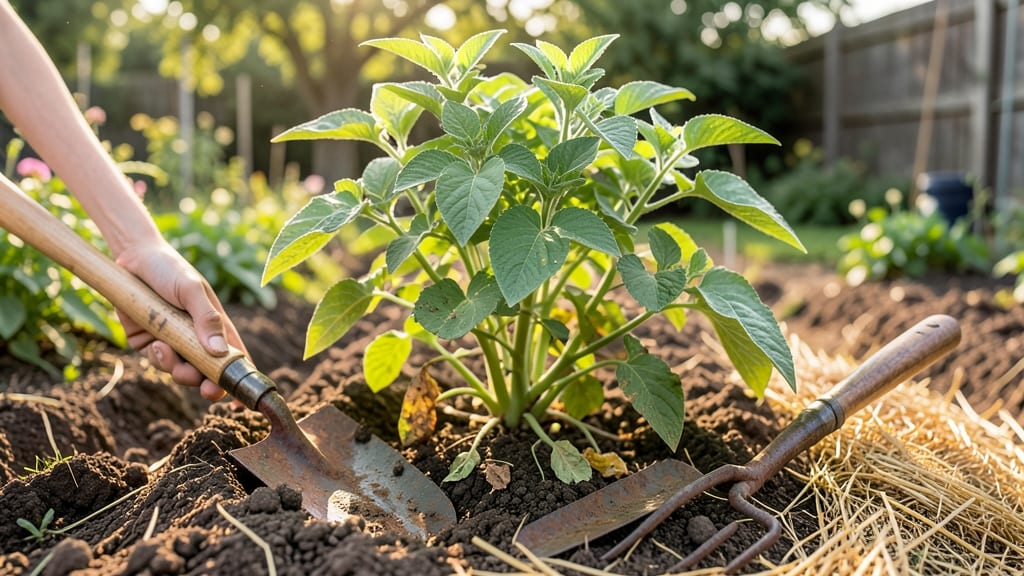
Timing when do you plant potatoes in Colorado could mean the difference between a bountiful harvest of crisp, golden spuds and a sad pile of shriveled tubers.
With frost dates that shift dramatically from Denver’s plains to the Rocky Mountains, getting it right takes more than just guessing—it’s about understanding your local microclimate.
Most Colorado gardeners know the general rule: plant 🥔 potatoes after the last frost, but the exact window depends on whether you're in USDA Zone 5 or Zone 7.
For high-altitude areas like Boulder or the Front Range, that could mean starting seeds indoors by early March, while lower elevations might wait until mid-April. The key is knowing your frost dates—and adjusting for elevation.
This year, I’ll walk you through the exact planting windows for Colorado’s spring potato season, including when to start seeds indoors versus direct-sowing, and how to pick varieties that thrive in your specific zone.
Whether you’re a first-time grower or a seasoned gardener, these tips will help you avoid common mistakes and maximize your yield.
From early varieties that beat the heat to cold-hardy spuds for mountain gardens, we’ll cover everything you need to know to plant confidently. Let’s dig in—literally—and get your potatoes growing on the right schedule.
Colorado’s potato planting zones: when to start indoors vs. direct sowing
Colorado’s diverse elevations—from Denver’s 5,280 feet to mountain valleys at 8,000+ feet—create a patchwork of planting zones. Understanding your USDA zone (3-7) and elevation determines whether you’ll start potatoes indoors 8-12 weeks early or plant directly after the last frost.
For example, Denver (Zone 5) has a later frost date than Fort Collins (Zone 4), meaning you’ll plant earlier in the former.
High-altitude gardens (above 7,000 feet) face colder soils and shorter growing seasons, so early-maturing varieties like Red Pontiac or Yukon Gold are non-negotiable. Meanwhile, lower elevations near Colorado Springs (Zone 6) can handle mid-season varieties like Russet Burbank with a longer harvest window.
The key? Match your seed potato size (1-2 oz pieces) to your zone’s frost-free days.
If you’re planting directly outdoors, wait until the soil reaches 45°F (7°C)—a critical threshold for sprouting. Use a soil thermometer to check, especially in high-altitude areas where cold soils delay germination.
For Denver gardens, this typically aligns with late April to early May, while mountain regions may need to wait until mid-May.
Pro tip: Chit your seed potatoes (expose to light for 2-3 weeks before planting) to jumpstart growth. This is especially useful in Zone 3-4, where shorter seasons demand every advantage. Place them in a bright, cool spot (55-60°F) to encourage sprout development before the ground thaws.
For container growing, adjust your timeline by 2-3 weeks earlier—pots warm up faster than in-ground soil. Use large containers (12"+ deep) and fill them with light, well-draining mix to mimic Colorado’s rocky subsoil.
This method works well for balconies in Denver (Zone 5) or rooftop gardens in Colorado Springs (Zone 6).
One common mistake? Planting too late in Zone 4-5 and risking blight before harvest. Stick to the 4-6 week buffer before your last frost date—this ensures tubers form before late-summer humidity sets in. For example, if your frost date is May 15, plant by April 15.
High-altitude gardeners in Boulder or Aspen should prioritize early varieties with 60-90 day maturity. These include Red LaSoda or Chieftain, which thrive in cooler soils and resist cracking from rapid temperature swings. Avoid late-season varieties like Monona unless you’re in Zone 6+.
Finally, test your soil’s pH (aim for 5.0-6.5) before planting. Colorado’s alkaline soils (common in western regions) can stunt growth. Amend with peat moss or sulfur if needed, and always mulch heavily (4-6 inches of straw) to insulate roots from spring frost or summer heat
Last frost date maps and potato variety matching for Colorado climates
Colorado’s frost dates vary wildly by elevation—Denver’s last frost typically arrives by April 15, while mountain valleys like Grand Junction may see frost as late as May 15.
To match your potato varieties with these dates, start by checking Colorado State University’s frost maps (available via their Extension Office). Early varieties like Yukon Gold (90 days to harvest) thrive in Zone 5 areas, while late-season Kennebec (120 days) need the longer growing windows of Zone 7.
For humid mountain valleys (e.g., Boulder County), avoid late-season varieties like Russet Burbank—they’re high-risk for late blight if planted after May 10. Instead, opt for early-maturing red potatoes (e.g., Red LaSoda, 75 days) to escape fungal threats.
In high-altitude areas (e.g., Aspen, 8,000+ ft), stick to cold-hardy varieties like Purple Viking (100 days) and plant 6-8 weeks earlier than lowland zones.
🌱
| Variety | Days to Harvest | Best Colorado Zone | Planting Window | Blight Risk |
|---|---|---|---|---|
| Yukon Gold | 90 | 5-6 | April 15–May 10 | Low |
| Red LaSoda | 75 | 4-7 | March 20–April 20 | Very Low |
| Russet Burbank | 120 | 6-7 | April 20–May 5 | High (humid areas) |
| Purple Viking | 100 | 3-6 | April 1–May 15 | Moderate |
| Kennebec | 120 | 7 | April 15–May 1 | Low |
Use Colorado’s microclimates to your advantage: Plant early varieties in Zone 5 (e.g., Fort Collins) by March 20 for a June harvest, while Zone 7 gardeners (e.g., Colorado Springs) can push late varieties like Kennebec until May 10.
For mountain regions, prioritize cold-tolerant types and plant 2-3 weeks earlier than valley zones to compensate for shorter summers.
Pro tip: Mark your last frost date on a calendar and count backward based on your chosen variety’s days to maturity.
For example, a 90-day potato in Zone 6 (last frost April 30) should be planted by January 20—indoors if starting early, or direct-sown by April 15.
🌿 If you’re unsure about your local frost date, consult your county extension office or use the National Weather Service’s Frost Prediction Tool.
In humid years, err on the side of earlier planting to avoid late blight, which thrives in Colorado’s mountain valleys during warm, wet summers.
✂️