
Plants
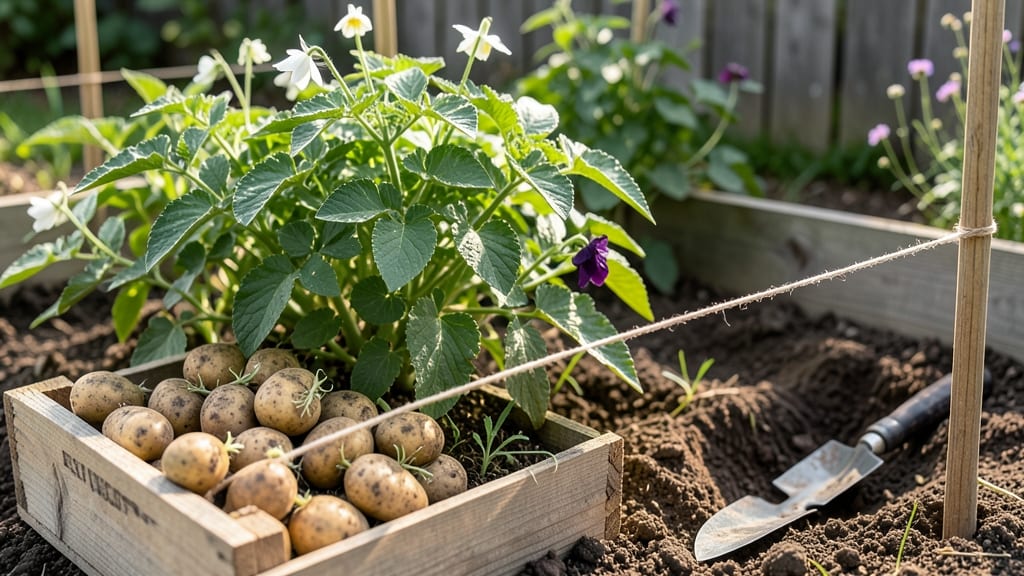
Timing when do you plant potatoes in Indiana can mean the difference between a harvest you’ll brag about and a season you’ll forget. With Indiana’s Zone 6a climate, getting those seed potatoes in the ground too early risks frost damage, while planting too late leaves you racing against summer’s heat.
The ideal window—late March to early April—balances soil warmth and frost-free days, setting the stage for a thriving crop.
But here’s the catch: Indiana’s spring is famously unpredictable, and a late frost or cold snap can throw off even the best-laid plans. That’s why knowing how to adjust your schedule based on soil temperature (aim for 45°F or warmer) and local frost dates is the key to success.
Whether you’re a first-time gardener or a seasoned grower, these insights will help you avoid common pitfalls and maximize your yield.
In this guide, I’ll break down the exact planting timeline for Indiana’s most popular potato varieties, share pro tips for extending your season, and walk you through soil prep and frost protection strategies.
By the end, you’ll have a clear, actionable plan to turn your garden into a potato powerhouse—no guesswork required.
Ready to dig in? Let’s get those spuds growing on the right schedule for a harvest that’ll make your neighbors jealous.
Best planting dates for Indiana potatoes by Zone (5 & 6)
Indiana’s USDA Zones 5 and 6 offer a 165-day growing season, but potatoes need precise timing to thrive. Plant too early, and frost will kill tender sprouts; too late, and your harvest shrinks.
The ideal window spans from late March to early May, but exact dates depend on your microclimate and potato variety.
Northern Indiana (Zone 5) has a shorter season and faces late frosts until mid-April. Southern Indiana (Zone 6) enjoys earlier soil warming by late March. For both zones, aim to plant when soil temperatures reach 45°F—this triggers consistent sprouting without frost risk.
Here’s how to break it down by variety type and planting phase:
For Zone 5 gardeners, prioritize early varieties like Yukon Gold or Red LaSoda—they mature before first frost in mid-October. In Zone 6, you can push late varieties like Kennebec for larger yields, but monitor weather forecasts for unexpected cold snaps.
Indiana’s microclimates matter too. Southern counties (e.g., Vanderburgh) can plant 2 weeks earlier than northern areas (e.g., Lake County). Check your local frost dates via the Indiana State Climate Office for precision.
If you’re planting in containers, start indoors in February using grow lights to give tubers a head start. By late April, hardened-off plants can transition outdoors for a longer harvest window.
Remember: Soil temperature > air temperature. Even if spring blooms appear, cold soil delays sprouting. Use a black plastic mulch to warm soil 5–10°F faster in cool zones.
For maximum yield, stagger plantings every 2 weeks from March to May. This ensures a continuous harvest from June through September—perfect for fresh eating, storage, or selling at farmers' markets.
How to adjust planting time for Indiana’s unpredictable weather
Indiana’s spring is infamous for its whiplash-inducing temperature swings, where a 70°F day can drop to 30°F overnight. If you plant too early and hit a late frost, your seed potatoes will rot in the cold, wet soil.
But if you wait too long, your crop may mature just as summer’s heat sets in, leading to small, tough tubers. The secret? Flexibility. Adjust your planting schedule based on soil temperature, frost forecasts, and even moon phases (yes, really!).
Start by checking the average last frost date for your Indiana county—most fall between mid-April and early May. However, don’t rely solely on averages. Use a soil thermometer to confirm the ground has warmed to at least 45°F at a 4-inch depth.
Cold soil slows germination and invites disease like blackleg. If your soil is still chilly, try these tricks to jumpstart your season.
For gardeners in Zone 5 (northern Indiana), consider indoor starts in early March. Sprout seed potatoes in paper towels or trays under grow lights until they develop 1-inch sprouts. Then, transplant them into the garden 2–3 weeks before your usual planting date.
This head start can shave off critical weeks in a short season. In Zone 6, you’ve got a little more wiggle room, but don’t push it—potatoes need 90–120 days to mature, and late plantings risk harvests during Indiana’s humid, disease-prone summers.
Another pro move? Plant a successive crop. Start with early-maturing varieties (like Yukon Gold) in late March, then follow up with mid-season types (like Kennebec) in early May.
This staggered approach ensures a continuous harvest and spreads out your risk. Just be sure to space them 3–4 weeks apart to avoid overcrowding.
If your soil is too wet or compacted after a rainy spring, don’t force planting. Wait until the ground is workable—you should be able to crush a handful of soil into a loose clump.
In the meantime, chit your seed potatoes (expose them to light to encourage sprouts) and keep them in a cool, dark place. Once conditions improve, you’ll be ready to plant without losing time.
Finally, keep an eye on the long-range forecast. If a heatwave is predicted after planting, opt for shade-loving varieties like Red Pontiac or use row covers to protect young plants. Conversely, if a cold snap is coming, delay planting or use black plastic mulch to warm the soil faster.
With these adjustments, you’ll turn Indiana’s unpredictable weather into an advantage, not a roadblock.