
Plants
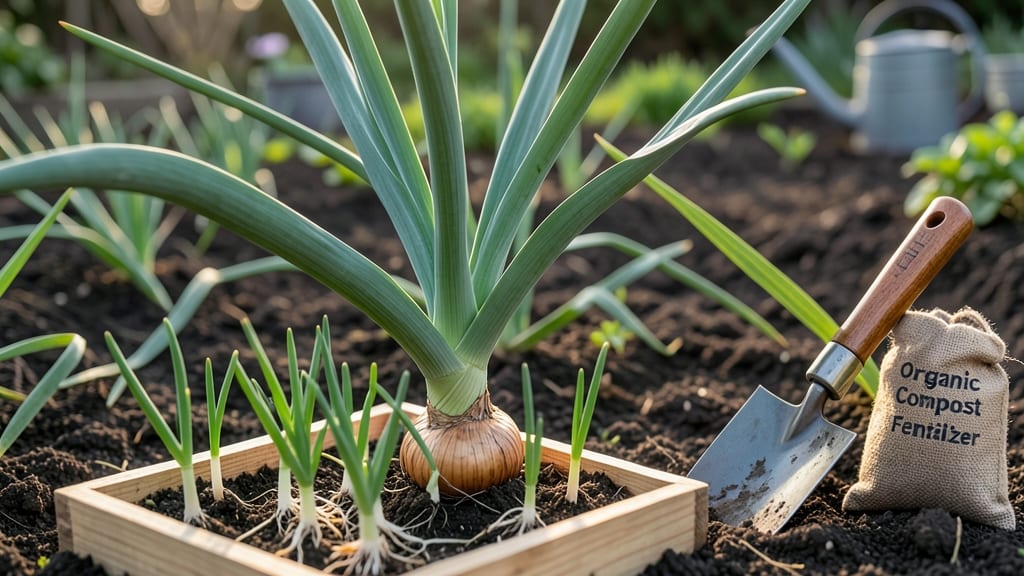
Timing your fall onion planting just right can mean the difference between a thriving harvest and wasted effort. If you live in USDA Zone 6a (like me), those crisp, sweet onions you’ve dreamed of start with the perfect window—4-6 weeks before your first frost hits.
Here’s the catch: plant too early, and your onions might bolt before winter sets in. Too late, and frost can stunt growth or worse, kill your crop entirely.
But don’t stress—I’ve got the exact dates and tips to help you nail it, so you’re set up for stronger bulbs next summer.
Why does this matter? Fall-planted onions develop deeper roots and larger bulbs because they grow through winter’s chill. That means fewer pests, better flavor, and a head start on next year’s harvest. Let’s break down the steps to get yours in the ground at the ideal time.
Whether you’re a beginner or a seasoned gardener, mastering this timing will save you from common mistakes. I’ll walk you through soil prep, variety choices, and how to protect your onions from late-season frost. Ready to grow onions that’ll make your kitchen sing?
Fall onion planting dates by USDA hardiness zones
Timing is critical when planting onions in the fall. The goal is to give your onions 4-6 weeks of growth before the ground freezes. This window ensures strong bulb development before winter dormancy.
In most USDA Zones 3-8, this translates to planting between late August and early October, depending on your location.
Fall-planted onions overwinter and produce sweeter, larger bulbs the following summer. However, planting too early can trigger premature bolting, while planting too late risks frost damage. Let’s break down the ideal planting dates by zone to maximize your harvest potential.
Key factors to consider: soil temperature, frost dates, and variety type. Short-day onions (like Texas Early White) thrive in warmer zones, while long-day varieties (such as Sweet Spanish) need cooler fall conditions. Always check your last frost date for accurate timing.
| USDA Zone | Planting Window | Soil Temp (°F) | Last Frost Date | Notes |
|---|---|---|---|---|
| Zone 3 | Mid-August to early September | 50-60°F | October 15 | Use cold-hardy varieties like Stuttgarter. |
| Zone 4 | Late August to mid-September | 50-60°F | October 1 | Avoid planting after September 20. |
| Zone 5 | Early September to early October | 55-65°F | October 10 | Ideal for Yellow Granex types. |
| Zone 6 | Mid-September to mid-October | 60-70°F | October 20 | Best for storage onions like Sweet Sandwich. |
| Zone 7 | Late September to early November | 65-75°F | November 5 | Extend season with row covers. |
| Zone 8 | October to early December | 70-80°F | December 10 | Plant short-day varieties for spring harvest. |
In Zone 3, where winters are harsh, focus on planting by early September to avoid early frost. Use cold-hardy varieties like Stuttgarter or Red Baron, which tolerate 20°F temperatures. These onions develop a protective layer that shields them from winter’s chill.
For Zones 4-6, aim to plant between late August and mid-October. These zones offer a longer growing window, allowing for larger bulbs. If you’re in Zone 5 or 6, consider using mulch (straw or leaves) to insulate the soil and protect young plants from freeze-thaw cycles.
In warmer Zones 7-8, you can push the planting window later into November. These zones often experience milder winters, giving onions more time to establish roots. However, avoid planting after early December, as the ground may freeze before the bulbs mature.
Pro tip: Use a soil thermometer to confirm soil temperatures are between 50-75°F before planting. Cooler soil slows germination
Fall onion planting dates by USDA hardiness zones
Timing is the secret weapon for growing fall onions. Plant too early, and your onions will bolt before winter sets in. Too late, and frost will stunt growth or kill them entirely.
The key is planting 4-6 weeks before your first frost, but the exact date depends on your USDA hardiness zone.
For example, if you’re in Zone 3-4, aim for late August to early September. In Zone 5-6, the window shifts to mid-September to early October.
Meanwhile, gardeners in Zone 7-8 can plant as late as late October to early November. These dates ensure your onions establish strong roots before winter dormancy.
Here’s a quick reference for ideal planting windows by zone, along with soil temperature requirements and frost risk factors:
| Zone | Ideal Planting Window | Soil Temp (°F) | Frost Risk |
|---|---|---|---|
| 3-4 | Late August - Early September | 50-60°F | High (plant early) |
| 5-6 | Mid-September - Early October | 55-65°F | Moderate |
| 7-8 | Late October - Early November | 60-70°F | Low (plant late) |
Why does this matter? Onions need time to develop strong roots and bulbs before winter sets in. If planted too late, they won’t mature enough to survive frost. Conversely, planting too early can trigger bolting, where onions send up flowers instead of forming bulbs.
For Zone 6a, like my garden, the sweet spot is mid-September. This gives onions enough time to establish roots before the ground freezes. Use a soil thermometer to confirm temperatures are between 55-65°F—this is ideal for root development.
Pro tip: Check your local last frost date and count backward. For example, if your first frost is November 15, plant onions by October 15. This ensures they’re ready for winter dormancy by early December.
Once planted, mulch heavily with straw to insulate the soil and protect roots from freezing. This simple step can mean the difference between a thriving crop and a lost harvest. With the right timing, your fall onions will reward you with sweeter, larger bulbs next summer.