
Plants
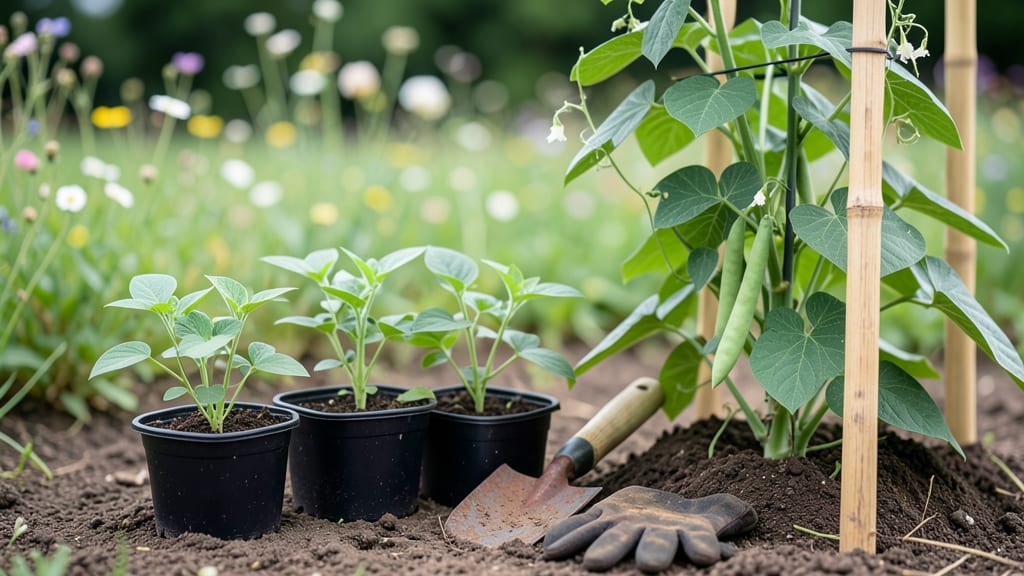
Timing your Green Bean 🌱 planting in Oklahoma isn’t just about the calendar—it’s about beating the unpredictable spring frosts that can turn your garden into a sad, half-hearted experiment.
Whether you’re growing bush beans for quick harvests or pole varieties for a vertical feast, getting the soil temperature and planting window just right means the difference between a bountiful fall harvest and a disappointing flop.
Oklahoma’s 6b-7a climate zones give you two clear chances to plant: the spring window (mid-April to early June) and the fall window (late July to early August).
But here’s the catch—soil needs to stay warm enough (at least 55°F) for those seeds to germinate reliably, and that’s where most gardeners trip up. I’ll show you exactly how to check soil temps and adjust your planting schedule to match Oklahoma’s quirky weather patterns.
What if you want to stretch your harvest even longer? The secret lies in succession planting and choosing the right varieties—like cold-hardy bush beans for early starts or pole beans that thrive in Oklahoma’s heat.
We’ll break down the best planting dates by region, so whether you’re in Oklahoma City or rural Zone 7a, you’ll know exactly when to put those seeds in the ground for a reliable, homegrown harvest.
Ready to ditch the guesswork? Let’s turn your Green Bean dreams into a foolproof reality—no more waiting for the perfect (but never-arriving) weather forecast. Your garden (and your taste buds) will thank you.
Best planting dates for green beans in Oklahoma (by region & variety)
Oklahoma’s diverse climate zones mean your green bean planting window depends on whether you’re in Oklahoma City, Tulsa, or rural areas. The last frost date typically falls around April 15, but microclimates can shift this by 2–3 weeks.
For reliable harvests, aim to plant bush beans 2–3 weeks after the last frost, while pole beans thrive with a slightly longer growing season.
In USDA Zone 6b–7a, most gardeners plant green beans twice yearly: once in spring (April–May) and again in late summer (July–August) for a fall harvest. This strategy maximizes your 190 frost-free days and ensures fresh pods from June through October.
Variety choice matters—bush beans mature faster (50–55 days) than pole beans (60–65 days), making them ideal for early or late plantings.
🌱 Oklahoma Green Bean Planting Calendar
| Region | Spring Planting Window | Fall Planting Window | Best Varieties |
|---|---|---|---|
| Oklahoma City | Mid-April to early May | Late July to early August | Blue Lake, Contender (bush), Kentucky Wonder (pole) |
| Tulsa | Late April to mid-May | Early August to mid-August | Provider, Blue Lake, Rattlesnake |
| Rural Areas (e.g., Altus, Lawton) | Early April to late April | Mid-July to late July | Tendercrop, Blue Lake, Maxibel |
📅 Pro Tip: Use succession planting every 2 weeks after your initial date for continuous harvests.
For succession planting, sow seeds every 10–14 days until June 15 to stretch your harvest.
This works especially well for bush beans, which produce all their pods at once. Pole beans, on the other hand, reward patience—plant them once and enjoy 6–8 weeks of harvests as new pods form continuously.
In Oklahoma’s heat, shade cloth (30–50%) can protect young plants from wilting during 90°F+ days.
If you’re in higher-elevation areas (e.g., near Oklahoma’s Arbuckle Mountains), delay planting by 1–2 weeks to account for cooler microclimates. These regions often see later last frosts and shorter growing seasons.
Test your soil’s warmth with a soil thermometer—green beans need 60°F+ soil to germinate reliably, a threshold Oklahoma’s clay soils often hit 2–3 weeks after the air warms.
Don’t overlook fall planting! While spring gets most of the attention, a late July–early August sowing can yield tender beans by September–October. Choose cold-tolerant varieties like ‘Tendercrop’ or ‘Blue Lake Bush’, which handle 50°F nights better than heat-sensitive types.
Use black plastic mulch to warm the soil faster and row covers to extend the season into November if frost threatens.
Oklahoma’s clay-heavy soils can be a double-edged sword. While they retain moisture well, they also compact easily, slowing germination.
Amend beds with 2–3 inches of compost or aged manure before planting to improve drainage and aeration. Raised beds are a game-changer for heavy clay, offering warmer soil and better root development—critical for pole beans, which need sturdy support to climb.
For container gardening, opt for bush varieties like ‘Blue Lake’ or ‘Contender’, which thrive in 5-gallon pots with well-draining potting mix. Place containers in full sun and water deeply when the top 1 inch of soil feels dry.
This method works well for balconies or patios in urban areas like Norman or Edmond, where space is limited.
Finally, keep an eye on weather forecasts during planting season. Oklahoma’s spring rains can delay soil warming, while summer droughts may stress young seedlings. If rain is forecasted, plant seeds 1–2 days before to ensure they’re covered by ¼ inch of soil—this prevents them from washing away.
For extra insurance, use biodegradable seed starter pellets to jumpstart germination in cool, wet conditions.
With these region-specific dates and variety tips, you’ll turn Oklahoma’s unpredictable weather into a green bean harvest goldmine. Start with bush beans for quick wins, then add <
Soil temperature rules for green bean germination (Oklahoma-specific)
Green beans are finicky about soil temperature—they won’t germinate reliably until the ground warms to at least 55°F. In Oklahoma, where clay-heavy soils hold cold longer, this means waiting for late April or early May in most regions.
But here’s the kicker: if your soil stays below 45°F, those seeds will rot in the ground instead of sprouting. I’ve learned the hard way—skipping this step leads to empty rows and wasted seed packets.
To check soil temperature, use a soil thermometer (insert it 2 inches deep) or watch for wildflowers blooming—when they’re in full swing, your soil’s likely ready. In Oklahoma City, aim for mid-April plantings, while rural Zone 7a areas can start slightly earlier.
The key is consistency: soil temps should stay above 60°F for at least a week before planting.
Oklahoma’s unpredictable spring weather throws another wrench in the works. Even if daytime temps feel warm, nighttime frosts can linger. That’s why I recommend waiting until after the last average frost date (around April 15 in most areas) and monitoring forecasts for 32°F warnings.
For a foolproof approach, use black plastic mulch to warm the soil faster—it can raise temps by 5–10°F.
⚠️ Critical Warning: Cold Soil = Seed Failure
Never plant green beans in soil below 55°F—seeds will rot instead of sprout. Oklahoma’s clay soils stay cold longer; test temps 2 inches deep for accuracy. If temps dip below 45°F, wait 1–2 weeks or use row covers to protect young seedlings.
Pro Tip: Soak seeds overnight in lukewarm water to jumpstart germination in cooler soil.
For fall plantings (late July to early August), the goal shifts to beating the first frost (around November 1). Aim to harvest before temps drop below 40°F, as cold snaps stunt growth.
I’ve had success with cold-tolerant varieties like ‘Kentucky Wonder’ pole beans, which handle 50°F nights better than bush types. Always plant 8–10 weeks before your first frost to ensure a harvest before winter sets in.
One more Oklahoma-specific trick: amend your clay soil with compost or aged manure before planting. This improves drainage and helps soil warm up faster. I mix in 1–2 inches of compost a week before planting to give seeds the best possible start.
Avoid fresh manure—it can burn seeds and raise soil temps too quickly.
Remember: patience is key. Rushing into planting when soil’s too cold leads to disappointing failures. Use these rules to time your plantings perfectly, and you’ll enjoy homegrown green beans from June through October—no more store-bought blandness! 🌱