
Plants
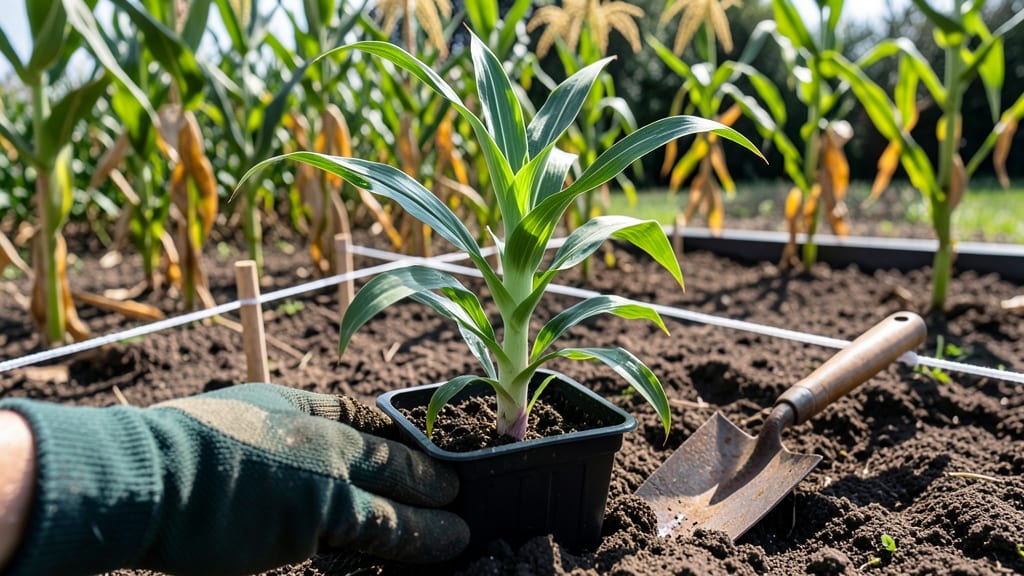
Timing your corn planting in Washington State could mean the difference between a bumper crop of sweet 🌽 and struggling plants that never quite reach their potential.
With the state’s diverse climate—from the dry inland regions to the wet coastal areas—getting the timing right is key. You’ll want to plant after the last frost, when soil temperatures consistently hit 60°F, but before summer’s heat sets in too early.
I’ll break down the exact windows for USDA Zones 5b-9a, including adjustments for high-elevation areas and urban gardens. Whether you’re a seasoned gardener or a first-timer, these tips will help you maximize your harvest.
From soil prep to variety selection, I’ve got you covered so you can enjoy fresh, homegrown corn straight from your garden all summer long.
Best planting dates for corn in Washington State by USDA Zone
Washington State spans USDA Zones 5b to 9a, meaning corn planting dates vary dramatically from cooler inland areas to warmer coastal regions. In Zone 5b (eastern WA), you’ll need to wait until late May, while Zone 8a (western WA) gardeners can start as early as mid-April.
Timing is critical—corn hates frost and needs at least 120 frost-free days to mature.
Your first step is checking your local last frost date. In Spokane (Zone 6a), it’s typically May 15, while Seattle (Zone 8a) sees its last frost around April 1. Plant corn 2-3 weeks after your last frost date to ensure warm soil and stable temperatures.
Soil temperature is just as important as air temperature. Corn seeds won’t germinate well below 60°F. Use a soil thermometer to confirm warmth—especially in high-elevation areas like the Cascade foothills, where cold nights delay planting.
For direct sowing (the preferred method for corn), aim to plant when soil is consistently 60°F+ and nighttime temperatures stay above 50°F. In Zone 7 (central WA), this usually falls in late April to early May.
If you’re in doubt, err on the side of planting later—corn grows faster than most gardeners realize!
Here’s a quick rule of thumb: Count backward from your first frost date. Most sweet corn varieties need 75-90 days to harvest. Subtract those days from your first frost date to find your last possible planting window.
For example, if frost hits October 15, plant by July 15 for a 90-day variety.
🌽 Pro Tip: In Zone 5b or cooler, consider black plastic mulch to warm the soil faster. Lay it down 1-2 weeks before planting for best results.
| USDA Zone | Last Frost Date | Ideal Planting Window | Soil Temp Requirement | Notes |
|---|---|---|---|---|
| Zone 5b (Eastern WA) | Mid-May | Late May to early June | 60°F+ | Use row covers; shorter season |
| Zone 6a (Central WA) | Early May | Late April to mid-May | 60°F+ | Best for early varieties |
| Zone 7b (Western WA) | Late April | Mid-April to early May | 55°F+ (warmer soil) | Longer season; try heirlooms |
| Zone 8a (Coastal WA) | Early April | Mid-March to April | 50°F+ (cooler but moist) | Watch for fungal diseases |
If you’re in a microclimate—like a sunny urban garden in Seattle or a shaded rural spot in Yakima—adjust your timing accordingly. Urban areas often warm up faster due to concrete and pavement, while shaded spots may need 1-2 extra weeks of waiting.
For succession planting, sow corn every 2 weeks until June 15 to ensure a continuous harvest. This works best in Zones 7-8, where the growing season is long enough to support multiple plantings.
🌱 Remember: Corn is a heavy feeder, so amend your soil with compost or aged manure 4-6 weeks before planting. In
Best planting dates for corn in Washington State by USDA Zone
Washington State spans USDA Zones 5b to 9a, and your corn planting timeline depends heavily on where you live. In Zone 5b (Eastern WA), you’ll want to wait until mid-May when soil temps hit 60°F consistently.
Meanwhile, gardeners in Zone 8a-9a (Western WA and Puget Sound) can start as early as late April.
For most of Washington, the ideal planting window is between mid-April and early June, but timing varies by region. Coastal areas with milder winters may start earlier, while high-elevation zones like the Cascade foothills should delay until late May to avoid frost damage.
Here’s a quick breakdown of last frost dates and planting windows by zone to help you plan:
| USDA Zone | Last Frost Date | Ideal Planting Window | Soil Temp Requirement | Notes |
|---|---|---|---|---|
| 5b (Eastern WA) | Mid-May | Late May to early June | 60°F+ | Use black plastic mulch to warm soil faster. |
| 6a-7a (Central WA) | Early May | Mid-April to late May | 60°F+ | Watch for late frosts in valleys. |
| 8a-9a (Western WA/Puget Sound) | Late April | Late April to early May | 55°F+ | Cooler coastal soils may need row covers. |
| High Elevation (Cascades) | Late May | Late May to June | 65°F+ | Shorter growing season; choose early-maturing varieties. |
If you’re unsure about your last frost date, check local agricultural extension office resources or use a frost calendar for your specific city. For example, Spokane (Zone 6a) typically has its last frost around May 10th, while Seattle (Zone 8a) sees frost-free conditions by April 15th.
For urban gardeners, microclimates can shift planting times by 2-3 weeks. A south-facing urban garden might be 2 weeks warmer than a shaded backyard, so adjust accordingly. Always plant after the last frost date and when soil is workable and warm.
Pro tip: Use a soil thermometer to confirm temps before planting. Corn seeds won’t germinate well in soils below 50°F, and growth slows dramatically below 60°F. If your soil is still cold, consider using black plastic mulch or a cold frame to speed up warming.