
Companion Plants
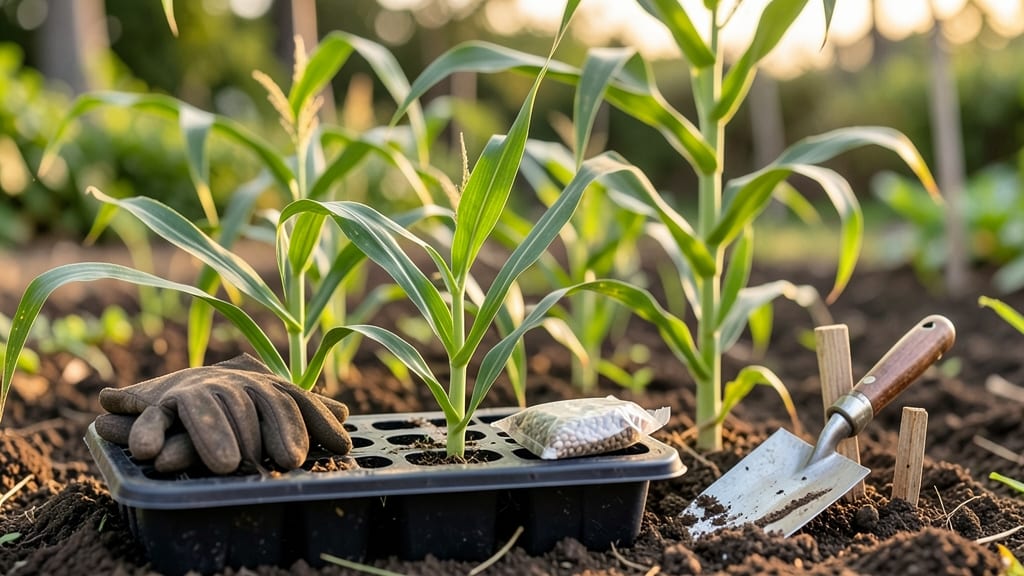
Timing your 🌽 corn planting in PA isn't just about following a calendar—it's about reading the soil's secret signals before the first frost sneaks in.
With Pennsylvania's 5b-7a climate zones throwing curveballs from early April to late May, planting too soon risks stunted growth, while waiting too long cuts your harvest window short.
I've learned the hard way that soil temperature is the real game-changer—corn needs 50-60°F to germinate properly, and those numbers can shift dramatically between Pittsburgh's urban heat islands and the cooler valleys near Scranton.
The average last frost date of April 15 is just a starting point; your actual planting window depends on whether you're growing sweet corn for summer grilling or dent corn for fall storage.
What if you could extend that window by 2-3 weeks? The right soil prep and variety choices make all the difference. Whether you're a first-time gardener or a veteran with decades of corn rows, I'll show you exactly how to time your planting for maximum yield—no guesswork required.
From testing soil warmth with a simple thermometer to choosing varieties that thrive in PA's 165-day growing season, this guide gives you the tools to turn your corn patch into a reliable harvest. Let's get those seeds in the ground at the perfect moment.
Ideal soil temperature for planting corn in Pennsylvania
Corn seeds need consistent warmth to sprout, and Pennsylvania’s soil can be a mixed bag in spring. The sweet spot for planting corn is when soil temperatures reach 50-60°F at a depth of 4 inches.
Below 50°F, seeds rot; above 85°F, they dry out. In PA’s USDA zones 5b-7a, this typically means waiting until late April or early May.
Soil temperature matters more than air temperature. A frost-free night with 70°F air won’t help if the soil is still cold. Use a soil thermometer ($10 at garden centers) to check daily. Pro tip: Morning readings are most accurate since soil warms gradually after sunrise.
Northern PA (zones 5b-6a) often waits until mid-May due to slower warming, while southern PA (zone 7a) can start as early as late April. The key is consistency—corn seeds need 5-7 days of stable warmth to germinate reliably. Planting too early risks rotten seeds or stunted growth.
| Factor | Ideal Range | PA Reality |
|---|---|---|
| Soil Temperature | 50-60°F (4 inches deep) | Northern PA: 50-55°F late April Southern PA: 55-60°F mid-April |
| Air Temperature | 60°F+ consistently | Daytime highs 65-75°F needed for germination |
| Last Frost Date | After average last frost | Northern PA: May 10 Southern PA: April 20 |
| Germination Time | 5-7 days at ideal temps | Northern PA: 7-10 days Southern PA: 5-7 days |
PA’s microclimates create big differences. Valley areas like Lancaster County warm faster than mountain regions like Poconos. If you’re in doubt, plant test rows a week apart to compare germination rates. Black plastic mulch can warm soil by 5-10°F faster than bare ground.
Watch for false springs—PA’s weather can swing wildly. If nighttime temps drop below 50°F after planting, cover seeds with row fabric until soil warms. This is especially critical for early varieties like 'Early Sunglow' that need quick germination.
Heatwaves can also be problematic. Soil temps above 85°F cause seeds to dry out before sprouting. In southern PA, this often happens by late May. If your forecast shows 90°F+ days, consider shading young plants with floating row covers until they establish roots.
Don’t rely on calendar dates alone—combine soil temp checks with frost forecasts. The National Weather Service provides free frost probability maps for PA. Aim to plant when there’s a 90% chance of no frost in the next 2 weeks.
For container growing, soil warms faster in pots, but they also dry out quicker. Use self-watering containers and monitor soil temps with a thermometer probe. Urban areas like Philadelphia can be 5°F warmer than rural zones, so adjust your timing accordingly.
If you’re planting late varieties like 'Silver Queen' for fall harvests, push your planting window to early June when soil temps drop below 80°F. These varieties tolerate cooler soils better and mature faster in shorter summer days.
Remember: Corn is a heavy feeder, so warm soil also helps roots access nutrients faster. Amend your planting beds with compost 2 weeks before planting to give microbes a head start in warming soil. This boosts early growth and ear development.
🌽Best planting dates by Pennsylvania region (2024 guide)
Pennsylvania's 6 distinct climate zones mean your corn planting window could vary by 3 weeks from Scranton to Erie. While the state average last frost hovers around April 15, microclimates create real differences.
For example, Southeast PA often sees 10-14 days earlier planting than Erie's cooler lake-effect zone. Let's break down the ideal planting windows by region, including adjustments for early vs. late varieties.
Understanding these regional differences helps you avoid late spring frosts that can kill young seedlings or summer heatwaves that stress mature plants. I've included historical planting success data from PA State University Extension to help you choose the right timing for your location.
Whether you're in Philadelphia's urban heat islands or Poconos' cooler valleys, this guide gives you the precise windows you need.
🌽 Pennsylvania Corn Planting Windows by Region
| Region | Last Frost Date | Ideal Planting Window | Early Varieties | Late Varieties |
|---|---|---|---|---|
| Southeast (Philadelphia) | April 5-15 | Mid-April to early May | April 1-15 | May 1-15 |
| Southwest (Pittsburgh) | April 10-20 | Late April to mid-May | April 15-30 | May 1-20 |
| Central (Harrisburg) | April 15-25 | Late April to late May | April 20-May 5 | May 10-25 |
| Northeast (Allentown) | April 20-May 5 | Early May to mid-May | May 1-10 | May 15-30 |
| Northwest (State College) | May 1-10 | Mid-May to late May | May 5-15 | May 20-June 1 |
| Erie (Lake Effect) | May 5-15 | Late May to early June | May 15-25 | June 1-10 |
Note: Adjust planting dates 1-2 weeks earlier for early varieties (60-75 day maturity) and later for late varieties (90-120 day maturity).
For gardeners in Southeast PA, you can start planting early varieties as soon as April 1 if your soil reaches 50°F. These areas benefit from warmer microclimates that allow for earlier planting.
Meanwhile, Erie's lake-effect climate often delays planting until late May due to cooler temperatures and later frost risks. I recommend using row covers in these northern regions to extend your planting window by 1-2 weeks.
One common mistake I see is planting late varieties too early in cooler regions. These plants may grow too tall before ear development, leading to poor kernel fill.
Instead, choose short-season varieties like 'Early Sunglow' (72 days) for northern PA or 'Silver Queen' (90 days) for southern regions. Always check the maturity date on seed packets against your frost-free days to ensure a successful harvest.
Remember that soil temperature is more critical than calendar dates. Even if it's May 1 in Erie, if your soil hasn't warmed to 50°F, your seeds may rot in the cold ground.
Use a soil thermometer ($10 at garden centers) to verify readiness before planting. This simple tool can save you from weeks of wasted effort waiting for germination.
🌱 Whether you're planting in Philadelphia's urban gardens or Poconos' rural fields, these regional guidelines give you the confidence to plant at the perfect moment for your PA location. Next, we'll explore pro tips to extend your planting season even further using simple but effective techniques.