
Plants
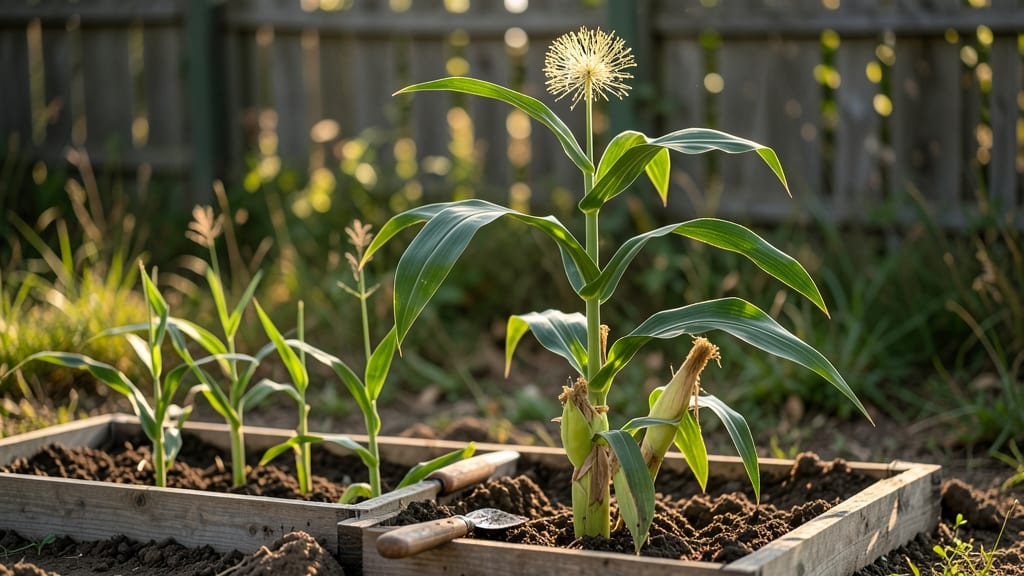
If you're dreaming of a bumper crop of sweet, golden 🌽 corn this summer, timing your planting is the single most important factor—especially in Alabama's varied climate zones. Planting too early risks frost damage, while waiting too long can leave you with stunted ears by harvest season.
Alabama's USDA zones 7b-8a give gardeners a 6-week window from mid-April to early June to plant corn, but the exact timing depends on where you live in the state.
Whether you're in cooler northern Alabama or the warmer southern regions, knowing when to put those seeds in the ground makes all the difference between a disappointing yield and a harvest that feeds your family for months.
I'll walk you through the science behind Alabama's planting schedule, including how to adjust for your specific zone and even salvage late plantings. You'll discover the best varieties for your area, soil preparation secrets, and care tips to ensure your corn reaches its full potential from seed to silks.
Let's get your corn growing on the right track—because with the right timing, you could be enjoying homegrown ears by late July! The key is starting now, so you don't miss this year's perfect planting window.
USDA zone-specific corn planting weeks in Alabama (by region)
Alabama’s 7 USDA zones (6A–8B) create a 200-mile climate gradient from the Appalachian foothills to the Gulf Coast. This means your last frost date could vary by 4–6 weeks—critical for corn, which needs 90–120 frost-free days to mature.
In Zone 6A (north Alabama), plant by mid-April; in Zone 8B (south Alabama), you’ve got until early June.
Soil temperature is your real deadline: corn won’t germinate below 50°F, but 60°F+ is ideal. Use a soil thermometer to confirm—cold soil delays sprouting by days or weeks.
In Zone 7A, aim for late April; in Zone 8A, early May works perfectly. Miss these windows, and you risk stunted stalks or ear rot from summer humidity.
Here’s your zone-by-zone planting calendar, including last frost dates, soil temp thresholds, and optimal weeks for direct sowing. Pro tip: Transplanting (if using starts) should happen 2–3 weeks after your last frost—but corn hates root disturbance, so direct sowing is always better.
Notice how Zone 6A gardeners must plant 6 weeks earlier than Zone 8B?
That’s why short-season varieties (like ‘Silver Queen’ (85 days)) are a must in northern Alabama, while full-season types (like ‘Peaches & Cream’ (115 days)) thrive in the south. Succession planting every 2 weeks ensures a continuous harvest—critical for Alabama’s humid summers, which speed up maturation.
For Zone 7A/7B, aim for two plantings: one in late April (for early summer ears) and another in mid-May (for fall harvest). This staggered approach lets you beat heat stress and avoid earworm infestations, which peak in July and August.
Use row covers for early plantings to warm soil faster and protect from late frosts.
In Zone 8A/8B, you’ve got flexibility: plant early April for summer corn or late May for fall varieties. Just watch for hurricane season (June–October)—a late planting risks wind damage or flooding. Raise beds in low-lying areas to improve drainage and reduce disease risk.
One common mistake? Planting based on calendar dates instead of soil temps. A 50°F
USDA zone-specific corn planting weeks in Alabama (by region)
Alabama spans USDA zones 6A through 8B, which means your planting window can vary by 4-6 weeks depending on where you live.
In northern Alabama (zones 6A/7A), you’ll want to start seeds indoors or wait until mid-April for direct sowing, while southern Alabama (zones 8A/8B) gardeners can begin as early as late March with minimal frost risk.
The golden rule for corn planting: wait until soil temperatures reach 60°F (15°C) and at least 2-3 weeks after your last frost date. Corn is frost-sensitive, and even a light freeze can stunt growth or kill seedlings.
Alabama’s last frost typically ranges from March 15 in the north to April 1 in the south, so adjust your schedule accordingly.
Here’s a breakdown of your planting window by zone, including key dates and soil prep tips to ensure your corn thrives from seed to harvest:
| USDA Zone | Planting Window | Soil Temp Threshold | Last Frost Date | Notes |
|---|---|---|---|---|
| 6A (North Alabama) | Mid-April to early May | 60°F+ | March 15 | Use row covers for early starts; opt for short-season varieties. |
| 7A (North-Central) | Late March to early April | 60°F+ | March 22 | Direct sow after last frost; avoid transplanting. |
| 7B (Central) | Early April to mid-April | 60°F+ | March 28 | Ideal for medium-season varieties like 'Silver Queen'. |
| 8A (South-Central) | Late March to early April | 60°F+ | April 1 | Longer growing season allows for full-season varieties. |
| 8B (Southern) | Late February to March | 60°F+ | April 10 | Early starts possible; monitor for heat stress in summer. |
For gardeners in zones 6A and 7A, I recommend starting seeds indoors 4-6 weeks before your last frost date to give seedlings a head start. Use biodegradable pots to transplant directly into the garden once soil warms.
In warmer zones (8A/8B), you can direct-sow seeds as soon as the ground is workable, often by late February.
Pro tip: Plant corn in blocks, not rows, to ensure cross-pollination and better yields. Space seeds 1 inch deep and 4-6 inches apart, then thin seedlings to 12 inches apart once they’re 6 inches tall. This gives roots room to grow and reduces competition for nutrients.
If you’re in a transition zone (7B), aim to have your corn reach tasseling stage by mid-June to avoid heat stress. Southern Alabama gardeners can push their luck with late plantings into early June, but expect smaller ears if you wait too long.
The key is balancing your variety’s maturity time with your local frost-free season.