
Plants
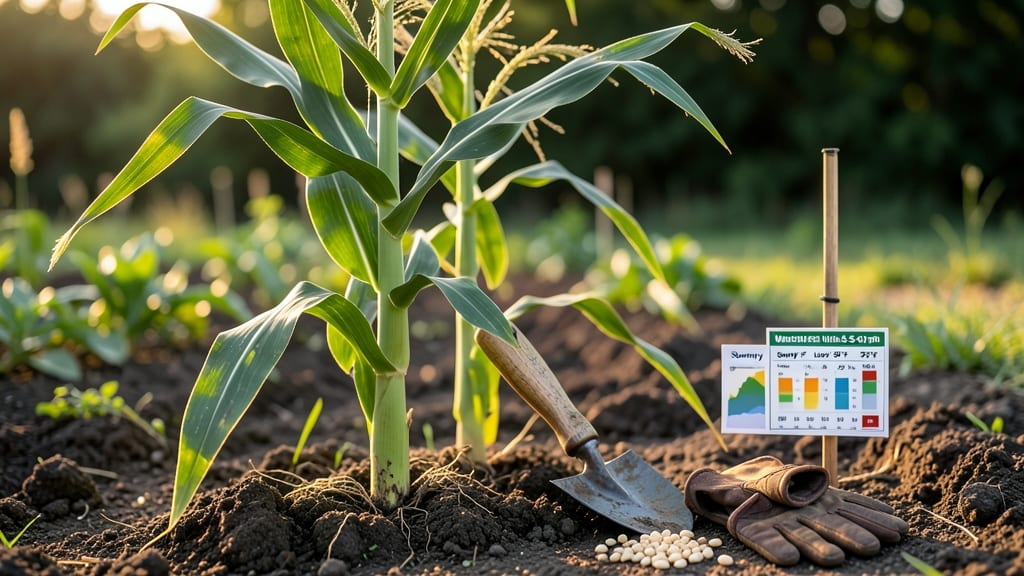
Timing your 🌽 corn planting in Northeast Ohio could mean the difference between a bumper crop and a disappointing harvest. With USDA Zone 6a conditions, waiting until the soil warms to at least 60°F is the key to avoiding frost damage while maximizing growth.
Most gardeners in this region aim to plant between mid-April and early May, but unpredictable spring weather can throw off even the best-laid plans. The last frost typically passes around April 15, but soil temperature lags behind air temperature—so don’t rush to get those seeds in the ground.
In this guide, I’ll break down the exact frost-free timeline for your area, including soil prep tips and cold-tolerant varieties that thrive in Northeast Ohio’s climate. Whether you’re a first-time gardener or a seasoned pro, these insights will help you plant for the best yields every season.
Ready to grow sweet, plump ears? Let’s dive into the strategies that work—and the mistakes to avoid—so your corn thrives from seed to harvest. The window is short, but the rewards are worth it!
Northeast Ohio corn planting dates by frost-free Zone (2024 guide)
Getting your corn planted at the right time in Northeast Ohio means the difference between a bountiful harvest and wasted seeds. The region’s USDA Zone 5b-6a climate brings unpredictable frost dates, so timing your planting around soil temperature (not just air temperature) is critical.
Most gardeners in Akron, Cleveland, Canton, and Youngstown aim to plant between mid-April and early May, but local microclimates can shift this window by 1-2 weeks.
Corn seeds won’t germinate until the soil reaches at least 50°F, but for optimal growth, wait until it hits 60°F. Cold soil slows germination and invites fungal diseases.
In my Zone 6a garden, I’ve learned that rushing planting—even with row covers—often leads to stunted growth. Patience pays off with healthier stalks and sweeter kernels.
Average last frost dates in Northeast Ohio vary slightly by location:
- Cleveland/Akron: April 15 (±5 days)
- Canton/Youngstown: April 20 (±5 days)
But don’t rely solely on these dates—late frosts can still hit in early May. I always check the National Weather Service for 10-day forecasts before committing to planting.
For sweet corn varieties like ‘Ambrosia’ or ‘Silver Queen’, plant 2-3 weeks after your last frost date to ensure warm soil. Field corn (like ‘Pioneer Brand’) can tolerate slightly cooler soil but still needs 60°F+ for best results.
My 2023 experiment with early planting (April 1) resulted in blight-infected seedlings—a costly lesson!
Soil temperature is more important than air temperature. Use a soil thermometer to confirm readiness—corn seeds won’t sprout in cold soil, no matter how warm the air feels. In Northeast Ohio, soil warms slowly, so I often wait until early May unless I’m using black plastic mulch to accelerate heating.
Here’s a quick reference for planting windows by variety and location:
| Location | Last Frost Date | Ideal Planting Window | Soil Temp Threshold | Notes |
|---|---|---|---|---|
| Cleveland/Akron | April 15 (±5 days) | April 25–May 10 | 60°F+ | Urban areas warm faster; watch for heat islands. |
| Canton/Youngstown | April 20 (±5 days) | May 1–May 15 | 60°F+ | Higher elevation = cooler soil; delay if needed. |
| All Regions | N/A | Late May (succession planting) | 60°F+ | Extend harvest with 2-3 week intervals. |
| Cold-Tolerant Varieties | N/A | April 10–20 (with row covers) | 50°F+ | Use ‘Ambrosia’ or ‘Country Gentleman’ for early starts. |
For succession planting, sow additional seeds every 2 weeks until early June. This ensures a continuous harvest from late July through September. In my garden, I’ve found that June plantings often yield earlier than April sowings because the soil is already warm by then.
If you’re using row covers to jumpstart early planting, remove them once plants reach 6 inches tall to prevent heat stress. I’ve had success with floating row covers in late April, but they must be secured tightly to avoid wind damage during Northeast Ohio’s unpredictable spring storms.
Pro tip: Plant a test row of fast-maturing varieties (like ‘Golden Bantam’) 1-2 weeks before your target date. If they thrive, the rest of your corn will too. This low-risk strategy saved me from losing an entire planting to a late-May frost in 2022.
Remember, corn is sensitive to transplanting, so direct-sow seeds 1-1.5 inches deep and 4-6 inches apart in rows 30
How to adjust corn planting time for Northeast Ohio’s unpredictable weather
Northeast Ohio’s unpredictable spring weather can turn your corn planting plans upside down. One day it’s 60°F and sunny, the next it’s a frosty 32°F surprise. The key to success? Flexibility and smart adjustments.
I’ve planted corn here for years, and I’ve learned that waiting for the perfect window isn’t always possible—so I adapt.
Start by monitoring soil temperatures (not just air temps) using a soil thermometer. Corn seeds need the ground to stay above 50°F for at least 5 days before planting.
If your soil is still cold, hold off—even if the forecast looks promising. Cold soil delays germination, and you don’t want seeds rotting in the ground.
Here’s my 3-step