
Plants
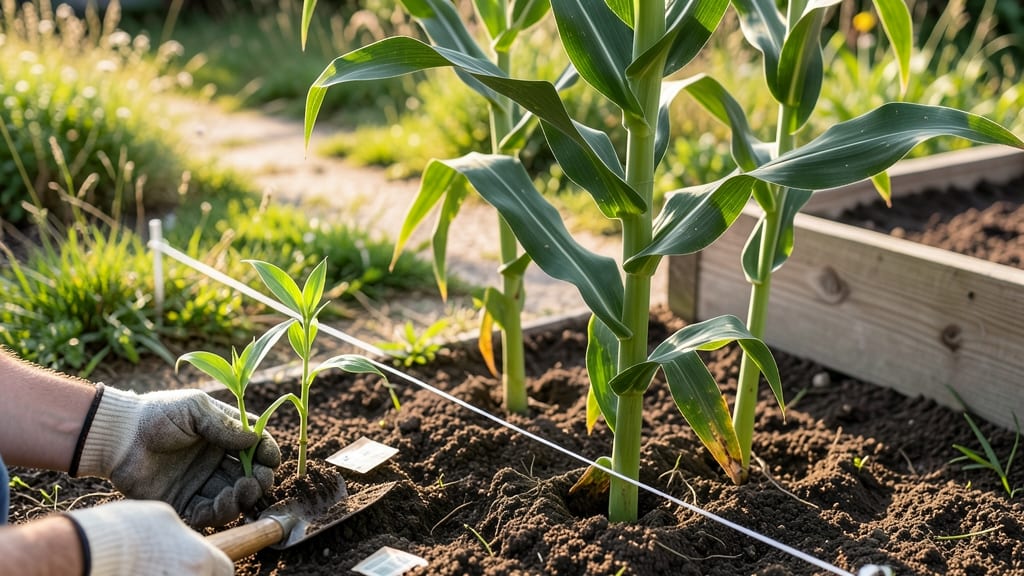
Planting corn in Kansas at the wrong time can turn your golden harvest dreams into a sad, wilted memory. With USDA Zones 5b-7a offering just 165 frost-free days, timing is everything for 🌽 corn that thrives—not just survives.
Most Kansas gardeners start their corn seeds indoors by late March, but the real magic happens when soil temperatures hit 60°F—usually mid-April to early June. That’s when the roots wake up and the stalks shoot toward the sun.
Miss this window, and you risk stunted growth or worse: a late-season frost that turns your crop into cornflakes before it even ripens.
But here’s the kicker: Kansas weather doesn’t play by the rules. One year, you’ll be planting by early April; the next, late May feels like your only shot.
The key? Knowing how to read your soil, adjust for drought risks, and pick the right corn varieties that match your zone’s quirks.
I’ll break down the exact planting deadlines for Zones 5-7, plus pro tips to beat Kansas’ unpredictable spring—so you can go from seed to silky-soft ears without the guesswork.
Kansas corn planting deadlines by USDA Zone (5-7) for maximum yield
Corn thrives in Kansas’ USDA Zones 5b-7a, but planting too early or late can spell disaster. The last average frost date in most of Kansas hovers around April 15, but soil temperature is the real game-changer.
Corn seeds need soil at 60°F (15°C) to germinate consistently—waiting for this temperature ensures strong, uniform growth and avoids frost damage to young plants.
My Kansas State University Extension research shows that planting too early (before soil warms) leads to slow germination, while planting too late risks shorter plants and lower yields. The optimal window is between mid-April and early June, but exact timing depends on your specific zone and microclimate.
Let’s break it down by zone to maximize your harvest potential.
🌽 Key Takeaway: Plant corn in Kansas when soil reaches 60°F (15°C) and at least 2 weeks after the last frost—this typically aligns with late April to early May for most regions. However, USDA Zone 5b (northwest Kansas) may need to wait until early May, while Zone 7a (southeast Kansas) can start as early as mid-April.
| USDA Zone | Last Frost Date | Optimal Planting Window | Soil Temp Requirement | Risk Factors |
|---|---|---|---|---|
| Zone 5b (e.g., Garden City) | April 20 - May 5 | Early May - Mid-May | 60°F (15°C) | Late frosts, shorter growing season |
| Zone 6a (e.g., Salina) | April 10 - April 25 | Late April - Early May | 60°F (15°C) | Moderate drought risk in June |
| Zone 6b (e.g., Manhattan) | April 5 - April 20 | Mid-April - Late April | 60°F (15°C) | Heat stress in July-August |
| Zone 7a (e.g., Wichita) | March 25 - April 10 | Mid-April - Early May | 60°F (15°C) | Early planting may face late frosts |
For Zone 5b gardeners in western Kansas, I recommend planting early May to avoid late frosts. These areas have a shorter growing season, so prioritize early-maturing varieties (60-75 days to harvest).
In contrast, Zone 7a in southeastern Kansas can start as early as mid-April, but monitor soil temperature closely—cold soil delays germination by 3-5 days.
If you’re in Zone 6a or 6b, aim for late April to early May. This window balances frost risk with soil warmth. Pro tip: Use a soil thermometer to confirm 60°F (15°C) before planting—this simple tool can save your crop from uneven germination.
In my own garden, I’ve seen seeds planted in 55°F soil take twice as long to sprout, leaving them vulnerable to pests.
Kansas’ unpredictable weather means flexibility is key. If you plant in early April and face a late frost, cover young plants with row covers or old blankets to protect tender shoots.
Conversely, if soil stays cold into May, delay planting until temperatures stabilize. The Kansas Mesonet provides real-time soil temperature data—bookmark their site for local updates.
Another critical factor is maturity date. Corn needs 90-120 days to reach harvest, so calculate backward from your first frost date (typically October 15). For example, if you plant on May 1, your corn should mature by late July to early August.
Late plantings in June risk immature ears before frost, so stick to early-season varieties if extending your window.
For home gardeners, I suggest planting in two successive batches—one in late April and another in early May. This staggered approach ensures a
How to adjust corn planting dates for Kansas’ unpredictable weather
Kansas’ spring is as unpredictable as a tornado warning—one year, the soil warms early, and the next, you’re staring at frost warnings in May. If you plant corn too soon, chilly soil stunts roots; too late, and your crop won’t mature before the first frost.
The key? Flexibility. I’ve learned to adjust planting dates based on soil temperature, frost forecasts, and even drought risks that can dry out young seedlings faster than a Kansas wind.
Start by monitoring your local last frost date—usually around April 15 in most of Kansas—but don’t rely on it blindly. Instead, wait until the soil hits 60°F (15°C) at a depth of 4 inches. Use a soil thermometer (they’re cheap and lifesavers) to check daily.
If temperatures dip below 50°F at night, your seeds may rot before sprouting. Pro tip: Plant black plastic mulch a week before sowing to warm the soil faster—it’s like giving your corn a cozy blanket.
- 🌡️ Wait for 60°F soil: Use a thermometer—don’t guess! Cold soil = slow germination.
- 📅 Stagger plantings: Sow seeds in 2-week intervals to spread harvest timing and reduce frost risk.
- 🔥 Use black plastic mulch: Warms soil 5-10°F faster than bare ground, speeding up growth.
- 🌧️ Check drought forecasts: If rain is scarce, prioritize drought-tolerant varieties like ‘Pioneer Brand 39T21’.
- 🌿 Try raised beds: Warms up quicker and drains better than in-ground soil, ideal for late starts.
If Mother Nature throws a curveball—like a late frost in May—don’t panic. Switch to fast-maturing varieties (60-75 days to harvest) or use row covers to protect young plants.
I once lost a crop to a surprise frost, but the next year, I planted ‘Silver Queen’ (a 70-day variety) under floating row covers and still got a harvest. For extra insurance, plant near windbreaks or use straw mulch to insulate roots during cold snaps.
Drought is another Kansas wildcard. If your area is forecasted for dry conditions, opt for shorter, bushier varieties that use less water, like ‘Peaches and Cream’ (85 days). Water deeply in the morning to encourage deep root growth—drip irrigation is your best friend here.
And if rain fails entirely, consider soaker hoses buried in trenches next to rows to deliver moisture straight to the roots.
Finally, keep an eye on the 7-day forecast when planting. If a cold front is rolling in, delay by a week or two. I’ve seen gardeners rush planting and end up with blight-prone corn because the soil was too cold.
Patience pays off—your future dinner table will thank you. The goal? Extend your harvest window by playing the weather like a chess game, not checkers.
Remember, Kansas corn isn’t about perfection—it’s about adaptation. Whether you’re dealing with a cool spring, drought stress, or an early frost, these tweaks will help you turn unpredictability into a bountiful harvest. 🌽