
Plants
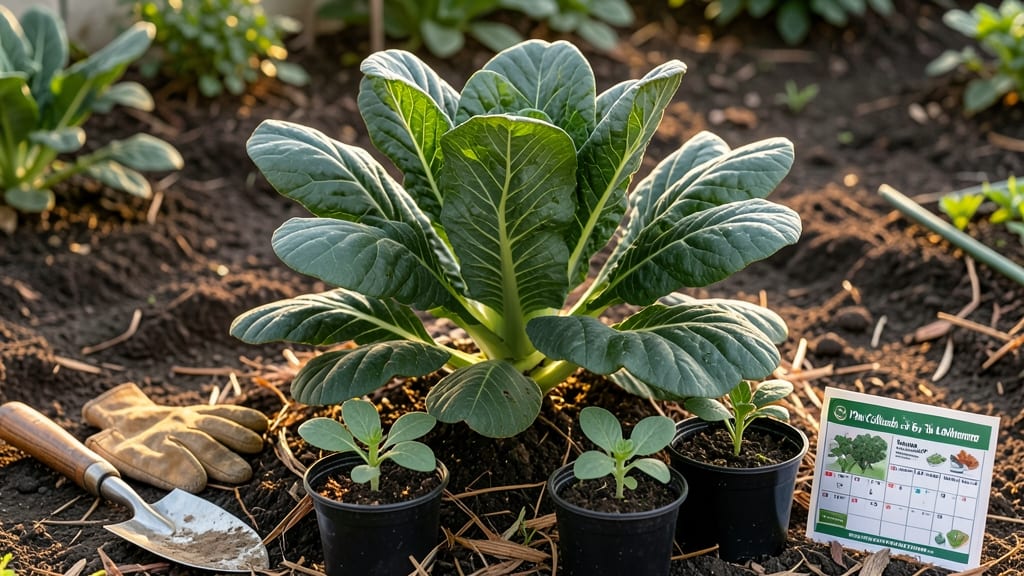
Timing your collards planting in North Carolina could mean the difference between a bumper crop of 🥬 and a sad, wilted disappointment. With USDA zones ranging from 7a to 8b, you've got a narrow window to plant these cool-weather greens before summer heat sets in or frost arrives.
Most gardeners in North Carolina know that spring and fall are the ideal seasons for planting collards, but exactly when depends on your specific microclimate. Plant too early, and you risk losing young plants to late frosts; too late, and the heat will make them bolt before you can harvest.
The key is understanding your local frost dates and heat zone.
In this guide, I'll break down the exact planting windows for your county's heat zone, including when to start seeds indoors and when to transplant seedlings for maximum success.
Whether you're in the cooler mountain regions or the warmer coastal plains, you'll find the perfect schedule to keep your collards thriving.
You'll also discover how to extend your harvest season with succession planting and protect your plants from unexpected frost. With these strategies, you can enjoy fresh collards from early spring through late fall - and maybe even overwinter them for a winter harvest!
North Carolina collard planting dates by heat zone (USDA 5-8)
North Carolina’s diverse USDA zones (5a-8b) mean your collard planting window depends heavily on where you garden. In cooler mountain zones (5a-6a), like Asheville, you’ll plant later than in coastal areas (7b-8a), such as Wilmington.
Understanding your last frost date and first frost date is critical—collards thrive in cool weather (50-75°F) and can even survive light frosts!
For spring plantings, aim to get seeds in the ground 4-6 weeks before your last frost date. In USDA Zone 7a (Raleigh), this typically means mid-March to early April.
Meanwhile, fall plantings should happen 8-10 weeks before first frost, usually late August to early September in most of the state.
Here’s how your county’s heat zone affects planting:
| USDA Zone | Last Frost Date | Spring Planting Window | Fall Planting Window | Key Tip |
|---|---|---|---|---|
| 5a-6a (Mountains: Asheville, Boone) | Late April - Early May | Early April - Mid-May | Late July - Early September | Use row covers for early spring |
| 7a (Piedmont: Raleigh, Greensboro) | Mid-April | Mid-March - Early April | Late August - Mid-September | Direct sow after soil warms |
| 7b-8a (Coastal: Wilmington, Fayetteville) | Early April | Late February - Early March | Mid-August - Late September | Extend season with cold frames |
| 8b (Outer Banks, Southern NC) | Mid-March | January - Early February | September - October | Year-round growth possible |
If you’re in Zone 8b (Outer Banks), you can even plant collards in January for an early harvest!
But for most gardeners in Zones 5a-7a, sticking to spring and fall plantings ensures the best results. Succession planting every 2-3 weeks in spring or fall will give you a continuous harvest until hard frosts arrive.
For overwintering collards in Zones 7a-8a, plant in late summer (August) and mulch heavily with straw or leaves to protect roots. These cold-hardy greens will reward you with tender leaves even in winter!
Pro tip: Check your local Cooperative Extension Service for hyper-local frost dates—microclimates can shift planting windows by 1-2 weeks. For example, Asheville’s higher elevation may experience frost 2 weeks later than nearby Hendersonville.
Remember, collards hate heat—they’ll bolt if temperatures climb above 85°F. That’s why fall plantings often yield sweeter, more tender leaves than spring ones. Start seeds indoors in late summer if you want a jump on the season!
🥬
Best collard varieties for North Carolina’s climate and when to start them
North Carolina’s diverse climate means not all collard varieties thrive equally. For cooler mountain regions (USDA zones 5a-6a), cold-hardy varieties like 'Vates' and 'Georgia Southern' excel, while coastal areas (7b-8b) benefit from heat-tolerant types like 'Top Bunch'.
The right variety paired with proper timing ensures robust growth and continuous harvests.
For spring plantings, start seeds indoors 4-6 weeks before your last frost date (typically late February to early March). Transplant hardened-off seedlings outdoors 2-3 weeks after soil warms to 50°F.
In fall, direct sow seeds 8-10 weeks before first frost (mid-August to early September) for a late-season harvest.
Here’s how the top varieties compare for NC gardeners:
For extended harvests, use succession planting every 2-3 weeks in spring and fall. In cooler zones (5a-6a), consider overwintering with row covers to protect plants from light frosts. Mulch heavily with straw or leaves to insulate roots during winter.
Pro tip: If you’re in zone 7a or warmer, you can even try a winter harvest by planting in late summer and using low tunnels to extend the season. Just be sure to monitor for cabbage worms and aphids, which love tender collard leaves.
With the right variety and timing, your collards can provide fresh greens from early spring through late fall—or even winter in protected beds. Start with 'Georgia Southern' for cold climates or 'Top Bunch' for heat, and experiment to find your favorite!