
Plants
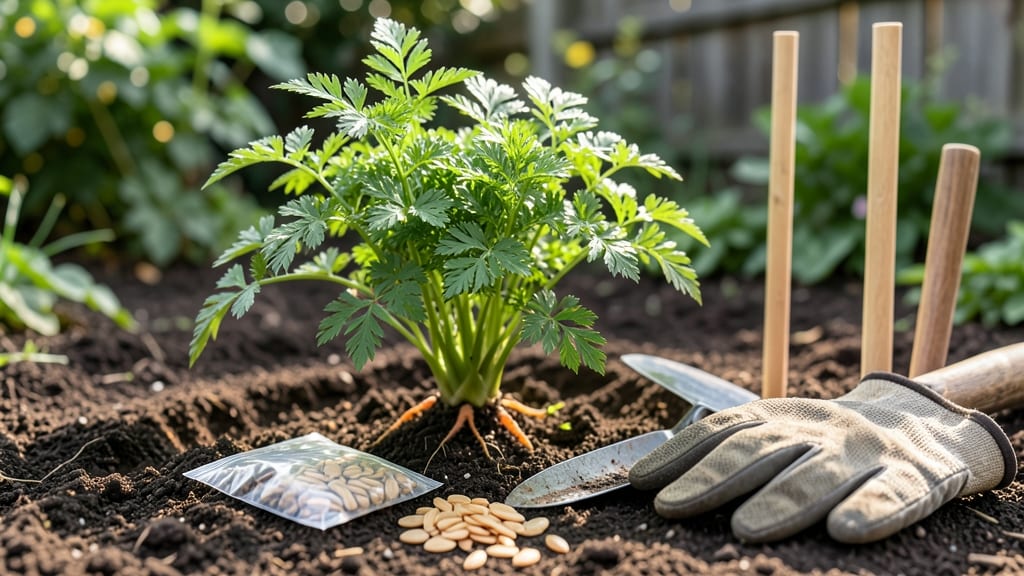
Planting carrots in Florida might seem simple, but timing makes all the difference between sweet, tender 🥕 roots and bitter, woody failures. The key is working with Florida’s unique climate—where summer heat forces a fall-winter planting window to avoid bolting and pests.
Most gardeners in zones 9a-11 plant carrots between September and March, but the best weeks vary by region. North Florida’s cooler pockets (like 9a) can start as early as late August, while South Florida’s humidity demands later plantings in October to prevent fungal issues.
This guide breaks down the exact weeks for your microclimate, plus pro tips to extend your harvest. Whether you’re in the Panhandle or Miami, we’ll cover soil prep, succession planting, and how to beat Florida’s biggest carrot-killers—nematodes and carrot flies.
Ready to grow perfect carrots? Let’s dive into the planting schedule that’ll give you crisp, flavorful roots from December through May—no guesswork required.
Florida carrot planting calendar: best weeks by region (north vs. central vs. south)
Florida’s three distinct microclimates create major differences in carrot planting success. North Florida’s cooler winters allow earlier plantings, while South Florida’s heat demands shade protection even in winter. Central Florida offers the longest growing window with two ideal harvests per year.
For North Florida (Panhandle), where rare frost can occur in January, aim for September 15–October 15 and December 1–January 15. These windows ensure soil temps stay between 60–75°F—perfect for germination and root development. The first harvest arrives in December, with a second in March.
Central Florida gardeners enjoy the most flexibility, with August 20–September 30 and November 15–December 31 as prime windows. Soil temperatures here rarely drop below 65°F, even in winter, allowing year-round planting with shade. Expect harvests from October through May.
In South Florida (Miami, Key West), the coolest months are November–March, making November 1–December 15 the best window. Use 30% shade cloth to prevent bolting during warm winter days. Harvests stretch from January to April, with succession plantings every 3 weeks for continuous yields.
All Florida regions benefit from succession planting every 2–3 weeks during ideal windows. This ensures a continuous harvest and prevents bolting from heat stress. For North Florida, prioritize early fall plantings to beat potential frost, while South Florida gardeners should focus on late fall to avoid summer heat.
Soil preparation is critical—Florida’s sandy soils and rocky subsoil can cause forked roots. Mix in 2–3 inches of compost and sand to create a loose, crumbly texture. Raised beds work exceptionally well for urban gardeners or areas with compacted soil.
Remember: Carrots hate heat. Planting in summer months (May–August) will result in bitter, woody roots or premature bolting. Even in Central Florida, avoid summer plantings unless you’re using shade cloth and drip irrigation to maintain consistent moisture.
For container gardening—ideal for apartments or small spaces—use deep pots (12+ inches) filled with a 50/50 mix of potting soil and sand. Plant seeds ¼ inch deep and keep soil consistently moist. Containers dry out faster, so check moisture daily during Florida’s humid summers.
Pro tip: Mark your calendar for Florida’s rare frost dates. While most of the state is frost-free, North Florida can see light frosts in January. Protect young seedlings with frost cloth or move containers indoors if temperatures drop below 32°F.
How to extend your carrot growing season in Florida’s heat
Florida’s summer heat forces carrots to bolt or develop bitter flavors, but with the right strategies, you can extend your harvest window by 3-4 months. The key is cooling the soil, managing moisture, and choosing heat-tolerant varieties.
Let’s break down the proven tactics that work in my USDA Zone 10a garden—and they’ll adapt to your region too.
First, shade cloth is your best friend. A 30-50% shade cloth reduces soil temps by 10-15°F, preventing bolting. I drape mine over raised beds in May and June to keep roots cool while still allowing 6+ hours of light.
Pair this with drip irrigation to maintain consistent moisture—carrots hate drying out, especially in Florida’s humidity.
- 🌡️ Use shade cloth (30-50%) to lower soil temps by 10-15°F during summer
- 💧 Water deeply in mornings (1-2 inches weekly) to prevent bolting
- 🌱 Plant heat-tolerant varieties like ‘Danvers Half Long’ or ‘Nantes’
- ⏰ Succession plant every 2 weeks from September to March
- 🪴 Grow in containers for urban gardens—easier to move to shade
For succession planting, I sow carrot seeds every 2 weeks from late August through March. This ensures a continuous harvest from December to May. Pro tip: Use short-day varieties like ‘Paris Market’ for faster growth in Florida’s long days.
I also mulch heavily with straw or pine needles to keep roots cool and moisture locked in.
Container gardening is another game-changer for urban Floridians. Fill 12-inch-deep pots with sandy loam mix (50% garden soil, 30% sand, 20% compost) and place them in partial shade during peak summer.
I’ve grown perfect carrots in balconies this way, even in Miami’s Zone 11 heat. Just water daily and fertilize lightly with fish emulsion every 6 weeks.
Finally, avoid summer planting entirely. The 90°F+ soil temps in June-August trigger bolting—carrots will flower instead of forming roots. If you’re desperate for summer harvests, try short-season varieties like ‘Little Finger’ (50 days) and plant in deep containers with ice packs buried nearby to cool the soil.
It’s a hack I learned from UF/IFAS Extension, and it works!
With these tactics, I’ve harvested carrots year-round in Florida—even in July. The secret? Cool soil + consistent moisture + smart variety choices. Now it’s your turn to try them in your garden. Which tactic will you test first?