
Plants
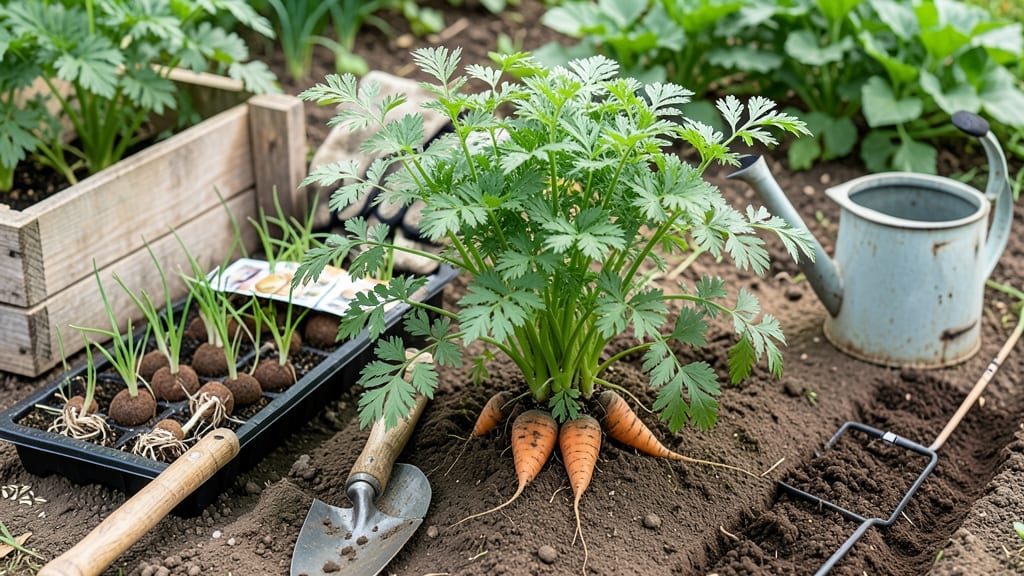
Timing your 🥕 carrot planting in Idaho isn’t just about the calendar—it’s about beating the heat, dodging early frosts, and working with the state’s famously variable climate. Plant too early, and you risk bolting before harvest; too late, and your roots might never reach their full sweet potential.
Idaho’s USDA Zones 4b-7b give you two prime windows: mid-April to early July for spring crops and August for fall harvests. But here’s the catch—soil temperature matters more than dates.
In Boise, for example, wait until the ground hits 45°F before seeding, while high-altitude areas like McCall need to push planting back another week or two.
What you’ll discover is how to sync your planting with Idaho’s 120-180 frost-free days, adjust for microclimates, and even stretch your harvest into November with the right tricks. Let’s break down the exact timing and techniques that’ll turn your garden into a carrot goldmine.
Whether you’re a first-time gardener or a seasoned grower, these zone-specific tips will help you avoid common pitfalls—like leggy seedlings or forked roots—and ensure your 🥕 harvest is crisp, abundant, and ready just in time for Idaho’s famous fall flavors.
Idaho carrot planting calendar by USDA hardiness Zone (with frost dates)
Idaho’s USDA Zones 4b-7b create unique challenges for carrot growers. The high desert in the south (Zone 7b) has earlier frost-free dates, while mountain valleys like Sandpoint (Zone 5b) stay cooler longer.
Understanding your zone’s last frost date is critical—plant too early, and seedlings rot; too late, and you’ll miss the sweet window for harvest.
For crisp, flavorful carrots, aim to plant when soil temperatures reach 50°F (10°C)—a threshold that varies by 1-3 weeks across Idaho. In Boise (Zone 7a), this typically means mid-April, while Coeur d’Alene (Zone 6b) waits until late April to early May.
Let’s break down the ideal planting windows for each zone.
| USDA Zone | Last Frost Date | Best Planting Window | Soil Temp for Planting | Fall Planting Window |
|---|---|---|---|---|
| 4b (Sandpoint, Bonners Ferry) | May 15 | Late May - Early June | 50°F (10°C) | Late July - Early August |
| 5a (Ketchum, McCall) | May 10 | Early May - Mid-June | 50°F (10°C) | Early August - Mid-August |
| 6b (Coeur d’Alene, Moscow) | April 25 | Late April - Early July | 50°F (10°C) | Mid-August - Early September |
| 7a (Boise, Twin Falls) | April 15 | Mid-April - Early June | 50°F (10°C) | Late August - Mid-September |
| 7b (Burley, Idaho Falls) | April 10 | Early April - Late May | 50°F (10°C) | Early August - Late September |
Notice how Zone 7b (southern Idaho) can start planting 6 weeks earlier than Zone 4b? This shift ensures you avoid bolting—when carrots flower prematurely due to heat stress—while still harvesting before first frost.
For example, in Boise (Zone 7a), a late July planting risks bolting by September, but August planting yields perfect fall carrots.
Pro tip: Use row covers in cooler zones (4b-5a) to warm soil faster and extend your planting window by 2-3 weeks. In my Zone 5b garden, this trick lets me plant carrot seeds in early April without frost damage. Just remove covers once seedlings emerge to prevent overheating.
For continuous harvests, stagger plantings every 2-3 weeks between April and July. This ensures you’re always pulling fresh carrots from June through October. In Zone 6b, I plant 3 successive batches: late April, early June, and mid-July.
The July batch matures just before frost, giving me a late-September harvest of sweet, cold-hardy roots.
One common mistake? Planting too deeply in sandy Idaho soils. Carrots need loose, stone-free soil to grow straight. In high-desert areas (Zone 7b), mix in compost to improve moisture retention.
I’ve seen carrots fork or split when planted in clay-heavy or rocky soil—always test your soil before planting.
Remember: Daylight hours also play a role. Idaho’s shortest days in December mean no winter planting, but fall crops thrive in September-October when days shorten gradually. In Zone 4b, I plant late July for a September-October harvest before hard frost sets in.
Use this calendar as your guide, but always check your local Idaho Weather Service for real-time frost alerts. A late-spring freeze can wipe out seedlings in minutes—better to wait a week than risk losing your crop. Happy planting! 🥕
5 Critical factors that determine the best carrot planting time in Idaho
When planning your 🥕 carrot planting in Idaho, the calendar isn’t your only guide—soil temperature, daylight hours, and even your local microclimate play starring roles.
For example, Boise’s USDA Zone 7a can handle early April plantings, while high-desert areas like Twin Falls (Zone 6b) may need to wait until late April to avoid frost damage. These 5 critical factors will help you pinpoint the perfect window for your garden.
First, soil temperature is non-negotiable. Carrot seeds need soil at 45°F or warmer to germinate properly. In Idaho’s cooler zones (like Zone 4b in the panhandle), wait until mid-May to ensure consistent warmth.
Use a soil thermometer to check—this simple tool can save you from weeks of waiting for sprouts that never come.
Daylight hours directly impact carrot growth, especially in Idaho’s short summer days. Longer daylight in June and July encourages rapid root development, while shorter days in spring or fall can lead to bolting (premature flowering). Plant your spring crop in April or early May to align with increasing daylight, and opt for August plantings for fall harvests when days begin to shorten again.
Water availability is another game-changer. Idaho’s dry summers mean your carrots will need consistent moisture to grow straight and sweet. In areas like Twin Falls or Idaho Falls, where irrigation is common, plan to water deeply every 2-3 days once seedlings emerge. Drought stress can cause forked or misshapen roots, so mulch heavily to retain soil moisture.
Don’t overlook pest pressure, which peaks in Idaho during late spring and early summer. Carrot rust fly and aphids thrive in warm, dry conditions—common in July and August.
To protect your crop, use floating row covers during the most vulnerable stages (seedling to harvest) or plant early spring or late summer when pests are less active. Companion planting with onions or leeks can also deter pests naturally.
Finally, microclimates within Idaho can shift planting times by weeks. For instance, Coeur d’Alene (Zone 6a) experiences cooler, wetter springs than Meridian (Zone 7b), which has hotter, drier summers.
Research your specific area’s frost dates and historical weather patterns—Idaho’s University of Idaho Extension offers free localized planting guides tailored to your county.
By balancing these five factors, you’ll avoid common Idaho-specific pitfalls like bolting from heat stress or stunted growth from cool soils. The result? A bountiful harvest of sweet, crisp carrots that’ll make your neighbors jealous—no matter where in Idaho you garden. 🌱