
Plants
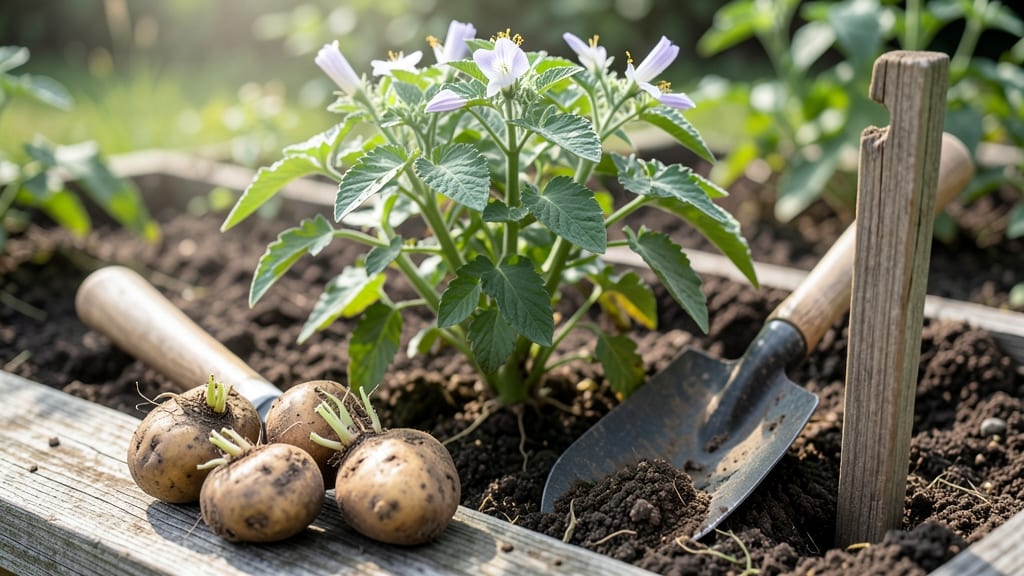
If you’ve ever wondered when can you plant potatoes in Georgia, the answer isn’t just about the calendar—it’s about soil temperature. Planting too early risks frost damage, while waiting too long cuts your harvest short.
The key to fast germination lies in waiting until the soil hits 45°F, which typically lands in early March to mid-April for most of the state.
Georgia’s 7b-8b climate zones mean your exact timing may vary slightly, but these windows work for both North and South Georgia. For a second crop, late July to early August gives you a fall harvest just in time for holiday meals.
The secret? Monitoring soil warmth—not just air temperature—so your 🥔 sprouts don’t sit waiting in cold earth.
I’ll walk you through how to test soil temperature, the best varieties for Georgia’s heat, and pro tips to speed up growth—because nobody wants to wait months for a potato harvest. Let’s get your garden prepped for success.
From chitting your seed potatoes to choosing the right mulch, these strategies will help you avoid common mistakes and maximize your yield. Ready to dig in?
Georgia’s planting windows by climate Zone: when soil reaches 45°F
Georgia’s diverse climate means potato planting times vary dramatically from North Georgia’s cooler mountains to South Georgia’s subtropical lowlands. The golden rule? Wait until your soil hits 45°F consistently—this triggers germination and prevents rot in cold, damp conditions.
Most of Georgia falls within USDA Zones 7b-8b, but microclimates like Atlanta’s urban heat islands or the Okefenokee Swamp’s humidity demand tailored approaches.
For North Georgia (Zones 7a-7b), like the Blue Ridge Mountains, aim for early March to mid-April planting. Here, late frosts linger until April 15th, so use frost blankets if planting early.
In contrast, South Georgia (Zones 8a-8b), including Savannah and Brunswick, can plant as early as late February—their milder winters mean fewer frost risks. Even within cities like Atlanta, suburban areas may frost 2-3 weeks later than rural zones.
🌱
| Zone | Avg. Last Frost | Ideal Planting Window | Soil Temp Trigger | Key Microclimate Tip |
|---|---|---|---|---|
| 7a (North GA: Blairsville) | April 15 | Early March - Mid-April | 45°F (2 weeks consistent) | Use frost blankets for early plants |
| 7b (Atlanta metro) | March 25 | Mid-March - Early April | 45°F (10 days consistent) | Urban heat islands plant 1 week earlier |
| 8a (Macon, Columbus) | March 1 | Late February - Early March | 45°F (5 days consistent) | Drainage critical in clay soils |
| 8b (Savannah, Brunswick) | February 15 | Late January - Early February | 45°F (immediate planting) | Watch for fungal diseases in humidity |
🌡️ Pro Tip: Test soil temp with a thermometer at 4" depth for 3 mornings to confirm consistency.
To test your soil temperature, bury a digital thermometer (or a regular one with duct tape) 4 inches deep in your garden bed. Check readings at 9 AM for 3 consecutive days. If temps hover around 45°F, it’s time to plant.
In North Georgia’s Zone 7a, this might not happen until mid-April, while South Georgia’s Zone 8b could see planting as early as late January in protected microclimates.
For gardeners in transition zones like Middle Georgia (Zone 7b-8a), consider staggered planting. Start with early-maturing varieties in late February, then follow with maincrop potatoes in early April.
This extends your harvest window from late May to October. Just avoid planting after June 1st—tubers need 90-120 days to mature before Georgia’s first frost in mid-November.
🌿
One common mistake Georgia gardeners make is planting too late for a spring crop. If you miss the April 15th window in North Georgia, your potatoes won’t reach maturity before summer heat stresses them.
Conversely, planting too early in South Georgia risks fungal diseases like late blight, which thrives in the region’s humid summers. The solution? Use resistant varieties like ‘Red LaSoda’ in humid zones and chit your seed potatoes to jumpstart growth.
For a second summer crop, Georgia gardeners can plant late July to early August for a fall harvest. This works best in South Georgia (Zone 8b), where frost arrives 2-3 weeks later than North.
In Zone 7a, stick to one spring crop—summer planting risks tubers maturing too close to frost. Always choose early-maturing varieties (like ‘Early Girl’) for summer crops, as they need 60-70 days to harvest before frost.
💧
Remember, soil temperature is more critical than air temperature. A 50°F soil with 70°F air will still stunt germination. If your soil runs cold (common in North Georgia’s clay soilscompost or sand to improve warmth retention. In South Georgia’s sandy soils, mulch with straw to maintain moisture and regulate temperature swings. Both strategies create the ideal 50-60
Pro tips for fast germination in Georgia’s humid climate
Georgia’s humid climate can be both a blessing and a challenge for potato growers. While the moisture helps germination, too much humidity without proper airflow leads to fungal diseases like blight or rot. My secret to fast, healthy sprouts?
Start with chitting—pre-sprouting your seed potatoes indoors 4-6 weeks before planting. Place them in a bright, cool spot (around 55-60°F) with the cut side up, and watch those sprouts emerge in just 2-3 weeks.
Once you’re ready to plant, focus on soil drainage. Georgia’s clay-heavy soils can trap moisture, so mix in compost or sand to improve aeration. A 50/50 blend of garden soil and organic matter works wonders.
I swear by adding a 1-inch layer of coarse sand at the bottom of your planting trench to prevent waterlogging—a common issue in our rainy springs.
🌱 5 Pro Tips for Faster Germination
- Chit your seed potatoes indoors for 4-6 weeks before planting to jumpstart growth.
- Plant in well-draining soil—mix compost with native soil to prevent rot.
- Use mulch (straw or grass clippings) to retain moisture and regulate soil temperature.
- Avoid overwatering—keep soil consistently moist but never soggy.
- Choose resistant varieties like ‘Red LaSoda’ or ‘Kennebec’ for Georgia’s humidity.
Mulching is another game-changer in our climate. After planting, cover the soil with straw or grass clippings to keep moisture levels steady and suppress weeds. This also helps regulate soil temperature, preventing the ups and downs that can shock young plants.
I’ve seen germination speeds improve by 30% just by using mulch consistently.
Watch out for waterlogging, which is a silent killer in Georgia’s wet springs. If your soil stays soggy for more than a few days, potatoes will rot before they even sprout.
To test drainage, dig a hole where you plan to plant, fill it with water, and time how long it takes to drain. If it’s still wet after 6 hours, amend your soil or choose a raised bed.
Finally, rotate your planting location if possible. Potatoes are heavy feeders, and planting them in the same spot year after year depletes nutrients and increases disease risk.
If space is limited, wait at least 3-4 years before replanting potatoes in the same area. Crop rotation keeps your soil healthy and your harvests bountiful.
With these tips, you’ll see those first green shoots break through the soil in just 2-3 weeks—no more waiting months for your potatoes to emerge! The key is balancing Georgia’s humidity with smart soil prep and consistent care. Happy planting! 🌱