
Plants
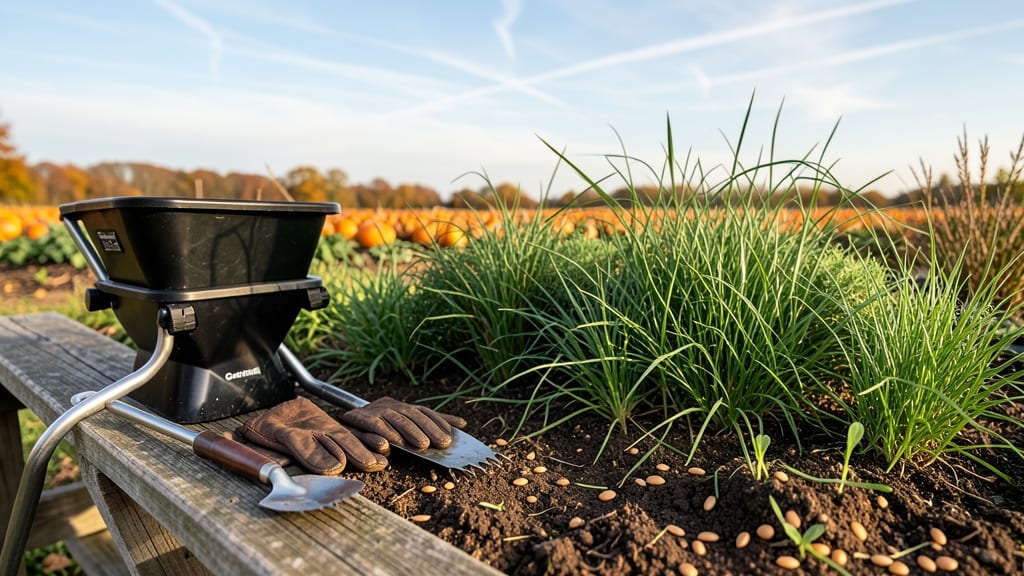
Planting grass seed in the fall is one of the best decisions you can make for a lush, resilient lawn—but getting the timing wrong could mean wasted effort. The key lies in understanding your local climate zone and working with nature's schedule, not against it.
In USDA Zone 6a, where many homeowners live, the ideal window opens 4-6 weeks before the first frost, typically landing in late September or early October.
This timing gives your grass roots time to establish before winter dormancy kicks in, setting you up for a stronger lawn next spring.
Why does this matter? Fall planting takes advantage of cooler air temperatures, reduced weed competition, and consistent moisture—all perfect conditions for deep root growth. But miss the window, and you risk frost damage or stunted germination.
Let's break down exactly how to determine the perfect planting date for your specific location.
From soil temperature checks to regional adjustments, I'll walk you through the critical factors that separate successful lawns from disappointing patches. Whether you're in a northern climate or a milder southern region, these insights will help you plant with confidence.
Best fall planting months by USDA Hardiness zones for grass seed success
Your USDA Hardiness Zone dictates the exact fall window for planting grass seed. Cooler temperatures between 60°F and 75°F in the soil create ideal germination conditions, but timing varies dramatically from Zone 3 to Zone 10.
Plant too early, and frost may damage tender seedlings; too late, and winter dormancy halts growth entirely.
Northern climates (Zones 3-5) have a shorter window—typically mid-August to early October—while Southern regions (Zones 8-10) can extend planting until late November. Coastal areas often enjoy milder microclimates, allowing a 2-4 week extension compared to inland zones.
Here’s your zone-specific guide to fall planting windows, soil temperature thresholds, and regional adjustments to maximize root growth before winter.
| USDA Zone | Ideal Planting Window | Soil Temp Threshold (°F) | Regional Adjustment |
|---|---|---|---|
| Zones 3-4 | Mid-August to early September | 60-68°F | Inland: 2 weeks earlier; Coastal: extend to late Sept |
| Zones 5-6 | Late August to mid-October | 60-70°F | Mountains: shift 1 week earlier; Valleys: extend to Nov |
| Zones 7-8 | September to early November | 65-75°F | Coastal: extend to mid-Nov; Inland: stop by Oct 31 |
| Zones 9-10 | October to December | 70-80°F | Desert: plant until Dec 15; Humid: stop by Nov 15 |
Pro Tip: Use a soil thermometer to confirm temps before planting—aim for 60°F+ for 5+ days.
For example, if you’re in Zone 6a (like much of the Midwest), your ideal window is late August through mid-October. But if you live in Zone 9b (Southern California), you can plant until early December—just avoid heavy frost risk.
Coastal regions like Pacific Northwest or Gulf Coast often enjoy warmer microclimates, allowing late fall planting. In contrast, inland mountain zones may need to plant 1-2 weeks earlier to avoid unexpected frost.
Always check your local frost dates using the National Weather Service or Old Farmer’s Almanac. Aim to plant 4-6 weeks before the first expected frost to ensure roots establish before winter dormancy begins.
If your zone isn’t listed, use this rule: Plant when daytime highs are 80°F+ but nighttime lows drop below 70°F. This balance signals your grass seed that cooler weather is coming, triggering deeper root growth before winter.
For cool-season grasses (like Kentucky Bluegrass or Fescue), fall planting is critical—they need 60-70°F soil temps to germinate. Warm-season grasses (like Bermuda or Zoysia) should never be planted in fall; they require spring/summer heat.
Remember: Soil temperature matters more than air temperature. A 60°F soil in October can still support germination, even if air temps dip into the 40s at night. Use a $10 soil thermometer to avoid guesswork.
🌱
5 Critical factors that determine When to Plant Grass Seed in Fall
Timing your grass seed planting isn’t just about picking a month—it’s about understanding your local conditions. The 5 critical factors that dictate the perfect window are soil temperature, daylight hours, rainfall patterns, frost dates, and your specific grass type’s needs.
Ignore any one of these, and you risk weak germination or wasted seed.
First, check your soil temperature. Grass seeds need soil between 60-75°F to germinate properly. Cooler soils slow growth, while warmer soils can cause seeds to dry out. Use a soil thermometer ($10 at garden centers) to monitor daily temps—this is your #1 guide for planting readiness.
Next, consider daylight hours. Shorter fall days mean less energy for new grass to photosynthesize. Aim to plant when days are still 10+ hours long, giving seedlings enough light to thrive. This usually means starting in late August or early September in most regions.
Rainfall is another game-changer. Grass seeds need consistent moisture for the first 3-4 weeks, but too much rain can wash them away. Check your local 10-day forecast for steady, light showers—this is ideal for germination without erosion risks.
Don’t overlook frost dates. Plant 4-6 weeks before your first frost to allow roots to establish. Use the National Weather Service’s frost calculator or local extension office data to pinpoint your exact deadline.
For example, in Zone 5, this might be mid-September, while in Zone 8, it could stretch to October or November.
Finally, match your grass type to your climate. Cool-season grasses (like Kentucky bluegrass or fescue) thrive when planted in fall, while warm-season grasses (like Bermuda) need spring planting. Always check the seed packet for optimal planting windows—this small step can double your success rate.