
Flowers
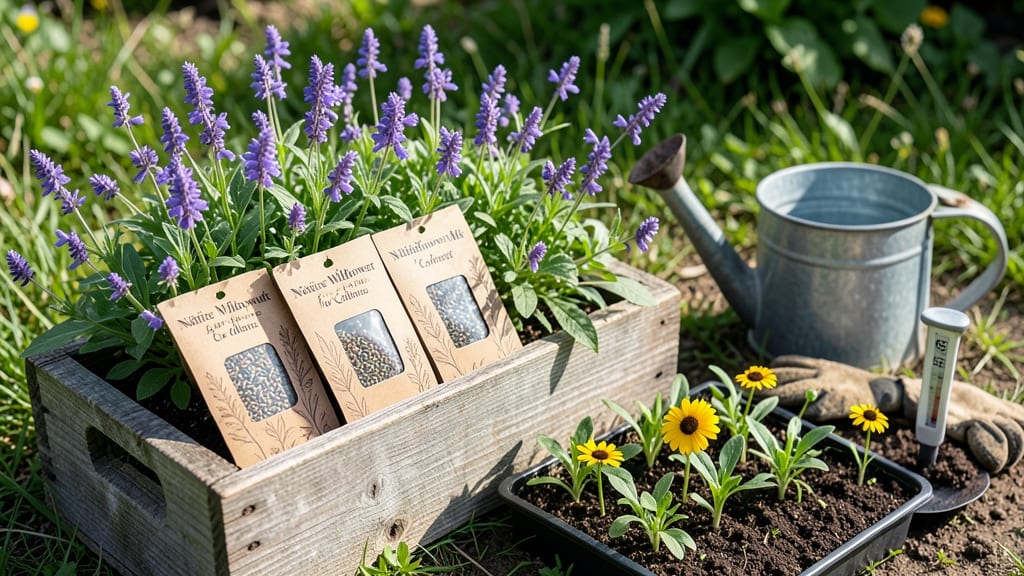
Timing your flowers planting in Colorado isn’t just about the calendar—it’s about surviving the 100°F afternoons and 20°F mornings that can turn your garden dreams into a crispy mess.
Whether you’re in Denver’s Zone 5 or the high desert’s Zone 7, planting too early or too late means your 🌸 might never reach their full potential.
Most gardeners assume "spring" means May 1—but Colorado’s last frost can hit as late as June 1 in the mountains, while the Front Range might be safe by April 15.
That’s why I’ve broken down the exact windows for annuals, perennials, and bulbs, so you can avoid the 3 most common mistakes that kill Colorado gardens before they bloom.
You’ll also discover how to stretch your planting season with heat-tolerant varieties that thrive in 10,000-foot elevations, and when fall planting (yes, really!) gives you a head start on next summer’s blooms. Let’s get those flowers in the ground the right way.
Ready to transform your yard into a year-round floral paradise? The secret starts with knowing when—and where—to plant, so your 🌸 don’t become another Colorado casualty of Mother Nature’s whims.
Colorado planting zones: when to start flowers by hardiness Zone (3-8)
Colorado’s USDA hardiness zones 3-8 create wildly different planting windows. In Zone 3 (mountains), late frosts linger until June 15, while Zone 8 (southern plains) enjoys frost-free soil by March 15.
Understanding these zones helps you pick the right flowers for your elevation—whether you’re gardening in Denver’s Zone 5 or Colorado Springs’ Zone 6.
Most Colorado gardeners focus on spring planting (April-June) after the last frost, but fall planting (August-September) works for heat-tolerant annuals and perennials. The key? Soil temperature—wait until it hits 50°F+ for seeds and 60°F+ for transplants.
High-altitude gardens (like Aspen in Zone 4) may need to wait until late May.
Here’s your zone-by-zone planting calendar for Colorado flowers, including last frost dates, ideal planting months, and heat-tolerant varieties best suited for each region.
| Zone | Last Frost | Spring Planting Window | Fall Planting Window | Heat-Tolerant Picks |
|---|---|---|---|---|
| 3 (Mountains) | June 15 | Late May - Early July | August 15 - September 15 | Lavender, Coneflowers, Yarrow |
| 4 (High Plains) | May 20 | Early May - Late June | August 1 - September 10 | Black-Eyed Susans, Russian Sage, Catmint |
| 5 (Denver, Fort Collins) | April 25 | Mid-April - Early June | July 15 - September 1 | Marigolds, Zinnias, Snapdragons |
| 6 (Colorado Springs) | April 10 | Early April - Mid-June | July 1 - August 31 | Petunias, Geraniums, Coreopsis |
| 7 (Southern Plains) | March 15 | February - May | June 15 - September 15 | Portulaca, Lantana, Gaillardia |
| 8 (Far Southwest) | February 1 | January - April | May - October | Desert Marigold, Yucca, Agave |
For Zone 3-4 gardeners, focus on cool-season flowers like pansies and sweet peas, while Zone 7-8 gardeners can plant tropical annuals like hibiscus and bougainvillea. Perennials like coneflowers thrive in Zone 5-6 with minimal winter protection, but delicate varieties (like dahlias) need mulching or row covers in high-altitude zones.
Pro tip: Use Colorado State University’s frost maps to track real-time frost dates in your area. For container gardening, you can push planting windows by 2-4 weeks since pots warm up faster. Just ensure containers have drainage holes to prevent root rot in Colorado’s dry heat.
If you’re in Zone 5 or higher, don’t overlook fall planting. Many annuals and perennials establish roots in cool September soil and bloom
Heat-tolerant flowers for Colorado’s harsh summers: best picks by microclimate
Colorado’s summers bring intense sun and dry winds, but the right heat-tolerant flowers can thrive even in these challenging conditions. Whether you’re in the Front Range’s urban heat islands, the Western Slope’s arid deserts, or the Eastern Plains’ windy prairie, selecting drought-resistant varieties is key.
These flowers not only survive but often bloom prolifically with minimal extra care.
For high-altitude gardens above 7,000 feet, focus on shade-tolerant perennials like columbines (Aquilegia) or penstemon (Penstemon), which handle cooler nights and intense afternoon sun.
Meanwhile, lowland areas in Zones 7-8 can support sun-loving annuals like zinnia (Zinnia elegans) or celosia (Celosia argentea), which thrive in temperatures up to 95°F.
🌱
🌞 Front Range (Zones 5-6)
PROS:
- Bee Balm (Monarda): Drought-tolerant, attracts pollinators
- Russian Sage (Perovskia): Thrives in poor soil, silvery foliage
- Black-Eyed Susan (Rudbeckia): Long bloom season, self-seeds
CONS:
- Lavender (Lavandula): Needs well-drained soil, prone to root rot
- Salvia (Salvia nemorosa): May wilt without consistent water
- Coneflower (Echinacea): Can struggle in urban heat without mulch
🏜️ Western Slope (Zones 6-8)
PROS:
- Desert Marigold (Baileya multiradiata): Zero water needs, golden blooms
- Blanket Flower (Gaillardia): Drought-proof, vibrant red/yellow
- Yarrow (Achillea): Heat-resistant, fern-like foliage
CONS:
- Portulaca (Portulaca grandiflora): Needs full sun, can spread aggressively
- Lantana (Lantana camara): Invasive in some areas, attracts bees
- Verbena (Verbena bonariensis): May flop in heavy winds
🌬️ Eastern Plains (Zones 4-5)
PROS:
- Daylily (Hemerocallis): Tough as nails, reblooms all season
- Shasta Daisy (Leucanthemum): Classic look, wind-resistant
- Catmint (Nepeta): Deer-resistant, long-lasting blooms
CONS:
- Dahlia (Dahlia spp.): Needs staking, prone to powdery mildew
- Marigold (Tagetes): May bolt in extreme heat
- Petunia (Petunia hybrid): Needs consistent moisture
To maximize success, pair these flowers with mulch (2-3 inches) to retain moisture and drip irrigation for deep, infrequent watering. Morning watering is critical—it reduces evaporation and fungal risks from evening moisture. For container gardens, choose self-watering pots or terracotta to prevent root stress.
If you’re in Zone 3 or above 8,000 feet, prioritize alpine flowers like glacier lilies (Erythronium) or rocky mountain penstemon, which handle cool nights and intense UV exposure. These varieties often bloom earlier in the season, giving you color before summer’s peak heat arrives.
🌻