
Companion Plants
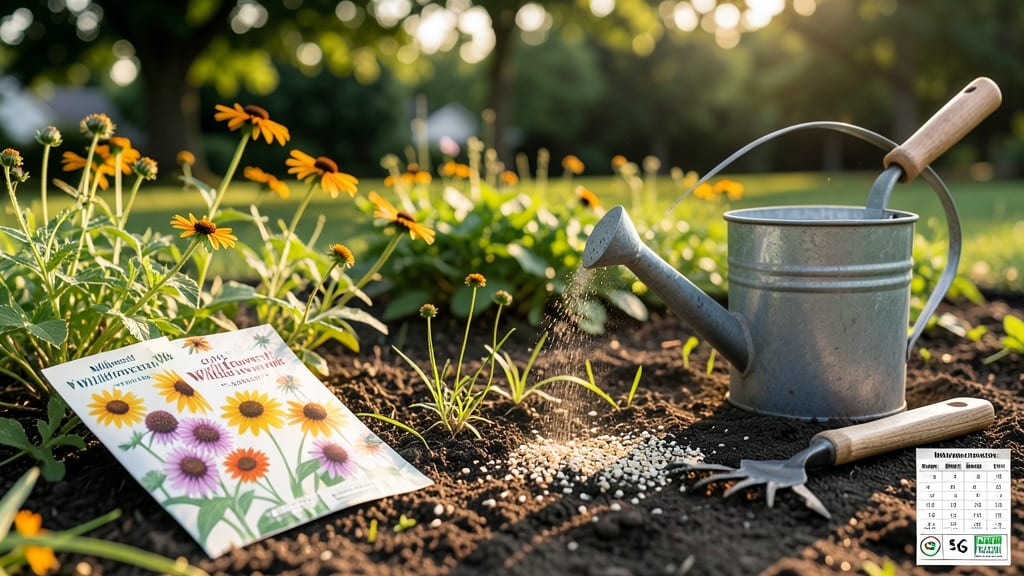
When can I plant wildflower seeds in Ohio isn’t just about throwing them in the ground—it’s about unlocking a burst of color that lasts all season. Whether you’re in Zone 6a or a nearby region, planting too early risks frost damage, while waiting too long can mean missed blooms.
The key is knowing the exact window when soil warmth and moisture align with your local climate.
Ohio’s early spring to late fall planting window (March–October) gives you flexibility, but not all wildflowers thrive at the same time. Native varieties like black-eyed Susans and coneflowers love cooler spring soil, while tough annuals can handle summer heat.
I’ll break down the best months for each type, so you can skip the guesswork and start your meadow right.
Beyond timing, soil prep and seed selection make all the difference. Ohio’s unpredictable spring rains can wash away fresh seeds, and compacted soil can choke young sprouts.
You’ll learn how to prepare your plot, choose the right seeds for your zone, and even handle direct sowing vs. transplanting like a pro.
Ready to transform your yard into a pollinator paradise? Let’s dive into the science-backed schedule that’ll have your 🌼 wildflowers blooming from spring to fall—no matter where you are in Ohio.
Ohio wildflower planting calendar by hardiness zone (2024)
Ohio spans USDA hardiness zones 5a through 6b, meaning your planting timeline depends on whether you're in northern Ohio (colder) or southern Ohio (warmer).
For example, zone 5a (like Cleveland) has a last frost date around April 15, while zone 6b (like Cincinnati) typically sees frost-free soil by mid-March. These differences matter because wildflower seeds need consistent soil temperatures of at least 50°F to germinate.
Most Ohio gardeners plant wildflowers in either early spring (March–April) or fall (September–October).
Spring planting gives you blooms by summer's end, while fall planting ensures roots establish before winter dormancy. Winter sowing (January–February) is also an option for hardy species like black-eyed Susan and coneflower, but it requires protective measures like straw mulch.
Here’s your zone-specific planting schedule for 2024, based on Ohio’s average frost dates and wildflower germination needs:
| Zone | Spring Planting Window | Fall Planting Window | Winter Sowing Window | Key Species for Zone |
|---|---|---|---|---|
| 5a (e.g., Cleveland, Toledo) | Late April–May | September 1–October 15 | February (with protection) | Black-eyed Susan, Coneflower, Butterfly Weed |
| 5b (e.g., Columbus) | Mid-April–early May | September 15–October 10 | Late January–February | Milkweed, Goldenrod, Aster |
| 6a (e.g., Dayton, Cincinnati) | March–April | September 15–October 30 | January–February | Purple Coneflower, Bee Balm, Wild Bergamot |
| 6b (e.g., Lexington, Southern Ohio) | February–March | October 1–November 1 | December (mild winters) | Coreopsis, Phlox, Golden Alexander |
For spring planting, aim to sow seeds 2–4 weeks before your last frost date. This gives them time to germinate before soil warms.
In northern Ohio (zones 5a–5b), this often means waiting until late April, while southern Ohio (zones 6a–6b) can start as early as March. Use a soil thermometer to confirm temperatures are consistently above 50°F.
Fall planting is ideal for perennial wildflowers like coneflower and milkweed, as it allows seeds to stratify naturally (a cold treatment that breaks seed dormancy). Plant in September or October, giving seeds time to germinate before first frost.
In zone 5a, this means sowing by October 15, while zone 6b can extend planting until November 1.
If you’re experimenting with winter sowing, place seeds in mesh bags or milk jugs with drainage holes, then set them outside in January or February. This mimics natural conditions and can boost germination rates for species like wild bergamot.
Just be sure to protect seeds from rodents with wire mesh or chicken wire.
Ohio’s unpredictable spring weather can throw off planting plans, so always have a backup plan. For example, if late frosts delay spring planting, consider starting seeds indoors in late February for annual varieties like cosmos or zinnia. Transplant seedlings outdoors after last frost.
Pro tip: Mark your planting dates on a garden calendar and adjust for microclimates. A south-facing slope warms up faster than a north-facing area, so you might plant 1–2 weeks earlier in sunny spots.
Always test your soil’s moisture and temperature before sowing—dry soil in spring can delay germination.
🌱
Best wildflower seed types for Ohio’s seasons (and when to sow them)
Ohio’s diverse climate means not all wildflower seeds thrive at the same time. Annuals like cosmos and zinnia love summer heat, while perennials such as black-eyed Susan and coneflower prefer cooler spring soil. Choosing the right seeds for your planting window ensures vibrant blooms all season long.
For early spring planting (March–April), focus on native perennials like milkweed and bee balm. These tough varieties handle Ohio’s unpredictable spring rains and establish deep roots before summer heat arrives. If you’re sowing in late summer (August–September), opt for annuals that bloom quickly, such as sunflowers or marigolds.
Fall planting (September–October) is ideal for cool-season wildflowers like poppies and phlox. These seeds germinate in cooler temps and often produce earlier blooms the following spring. My top recommendation? Mix native Ohio species with a few annuals for continuous color from spring through fall.
🌼 Ohio Wildflower Seed Guide by Season
| Season | Best Seed Types | Planting Window | Bloom Time |
|---|---|---|---|
| Early Spring | Black-eyed Susan, Coneflower, Milkweed | March–April | Summer–Fall |
| Late Summer | Cosmos, Zinnia, Sunflower | August–September | Fall |
| Fall | Poppy, Phlox, Sweet Alyssum | September–October | Spring |
💡 Pro Tip: Mix native perennials with annuals for year-round blooms!
Avoid planting tropical varieties like Mexican sunflower in Ohio’s northern zones—they struggle with winter cold. Instead, stick to hardy Ohio natives that thrive in Zone 5a–6b. For container gardens, choose dwarf varieties like shasta daisy or coreopsis, which bloom prolifically in small spaces.
If you’re unsure about your zone, check the USDA Plant Hardiness Map and adjust your seed mix accordingly. Southern Ohio (Zone 6b) can handle slightly later plantings, while northern areas (Zone 5a) benefit from earlier spring sowing to avoid frost damage.
Remember, native wildflowers require minimal care once established. They attract pollinators, improve soil health, and create a low-maintenance meadow that thrives with just sunlight and occasional watering. Start with a small test plot to see which varieties perform best in your yard!