
Companion Plants
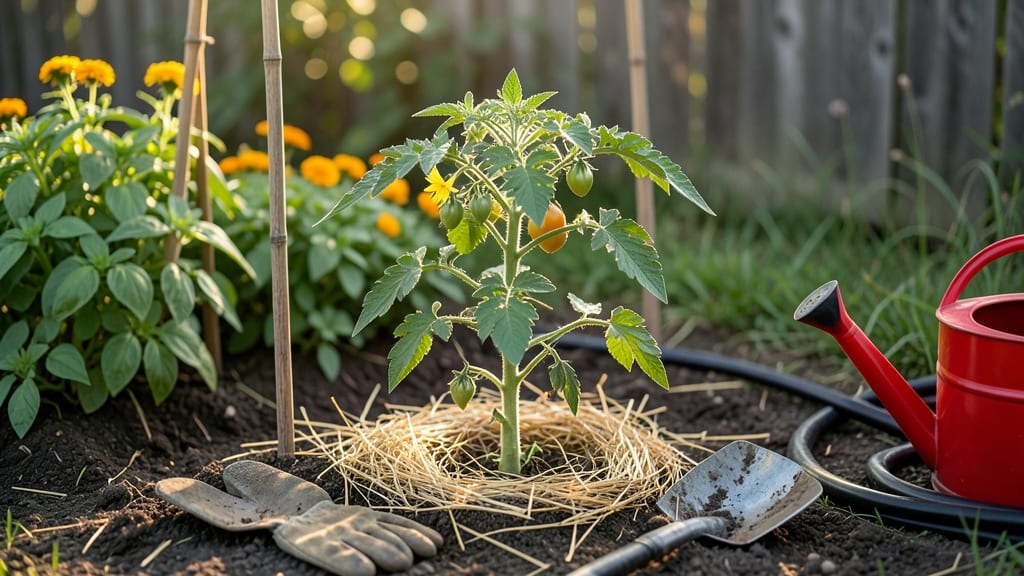
If you’ve ever wondered when to plant tomatoes in Florida and dreaded the thought of blight-ruined plants, you’re not alone. Florida’s frost-free windows are the secret to a thriving 🍅 harvest—but timing wrong can mean wasted effort.
The good news? With the right deadlines by county, you can avoid common pitfalls and enjoy tomatoes year-round.
Most Florida gardeners know spring and fall are prime seasons, but did you know North Florida’s last frost can hit as early as January 31 while South Florida stays frost-free all year?
That’s why knowing your zone (8a-11) is the key to success. Whether you’re planting seeds or seedlings, these deadlines will help you beat the heat and diseases.
I’ll break down the best planting windows, soil temperature tips, and even how to extend your season without risking blight. Ready to grow bigger, healthier tomatoes? Let’s get started with the exact dates you need.
From staggered plantings to heat-tolerant varieties, you’ll learn how to turn Florida’s long growing season into your advantage. No more guesswork—just a more efficient way to enjoy fresh tomatoes from your garden.
Florida’s tomato planting zones: frost-free deadlines by county for maximum yield
Florida’s diverse climate means tomato planting isn’t a one-size-fits-all scenario. While South Florida can plant year-round, North Florida gardeners face late-winter frosts that demand precise timing. The key is understanding your last frost date and soil temperature thresholds—60°F minimum for healthy germination and growth.
For North Florida counties like Jacksonville or Tallahassee, the last frost date typically falls between January 31 and February 15. This means your first planting window opens around March 1, with a second chance in late July for fall harvests.
Meanwhile, Central Florida (Orlando, Tampa) enjoys a slightly longer season, with frost-free dates extending to December 31 in some areas.
In South Florida (Miami, Key West), frost is rare, but heat stress becomes the enemy. Plant heat-tolerant varieties like ‘Solar Fire’ or ‘Celebrity’ in January-February and again in August-September to avoid the peak summer heat of June-August. The goal? Staggered plantings for continuous harvests.
🌱
| Region | Last Frost Date | First Planting Window | Second Planting Window | Best Varieties |
|---|---|---|---|---|
| North Florida (Jacksonville, Tallahassee) | Jan 31 - Feb 15 | March 1 - April 15 | July 20 - Aug 15 | ‘Celebrity’, ‘Better Boy’, ‘Mountain Merit’ |
| Central Florida (Orlando, Tampa) | Dec 15 - Jan 15 | Feb 1 - March 30 | July 1 - Aug 10 | ‘Sunset’, ‘Heatmaster’, ‘Arkansas Traveler’ |
| South Florida (Miami, Key West) | None (Year-Round) | Jan 1 - Feb 28 | Aug 15 - Sep 30 | ‘Solar Fire’, ‘Florida 47’, ‘Heatmaster’ |
To pinpoint your exact planting deadline, check your county’s frost-free date via the Florida Climate Center or local Cooperative Extension Service. For example, Jacksonville’s last frost averages February 1, while Miami’s risk drops to near zero.
Use this data to calculate your 60-90 day variety timeline—‘Early Girl’ (60 days) works for spring, but ‘Better Boy’ (80 days) needs that July start for fall harvests.
Pro tip: Soil temperature matters more than air temperature. Use a soil thermometer to confirm 60°F+ before planting. Cold soil delays germination and invites damping-off disease. In North Florida, this often means waiting until mid-April even if frost risk has passed.
For container gardening, adjust your timeline by 2-3 weeks earlier—pots warm up faster. Place containers in full sun and use black plastic mulch to raise soil temps by 5-10°F. This trick lets you plant ‘Heatmaster’ tomatoes in South Florida as early as January without stress.
🌿
Remember, Florida’s humidity and pests (like hornworms and aphids) thrive in warm weather. Planting at the wrong time can turn your tomato dreams into fungal nightmares. The 60-90 day rule isn’t just about harvest timing—it’s about avoiding early blight and heat stress.
Stick to these region-specific deadlines, and you’ll enjoy homegrown tomatoes from spring to fall.
✂️
How to extend your tomato growing season in Florida without risking disease
Florida’s long growing season lets you enjoy tomatoes almost year-round—but without the right strategies, you’ll face early blight and heat stress. The key is staggered planting and protecting young plants from temperature swings.
I’ve grown tomatoes in North Florida for years, and these methods have doubled my harvest while keeping plants healthy.
Start by choosing heat-tolerant varieties like ‘Celebrity’ or ‘Solar Fire’—they thrive in Florida’s summer heat. For early plantings, use row covers or cold frames to shield seedlings from unexpected cold snaps. Even in South Florida, where frost is rare, these tools help young plants establish roots before summer’s intensity peaks.
🌱 Soil temperature is your best early warning system. Tomatoes need soil at least 60°F to germinate. Use a soil thermometer to check before planting—cold soil slows growth and invites disease.
In North Florida, aim for March 15 as your earliest transplant date, while South Florida gardeners can start as early as February 1.
- 🌱 Use row covers for early plantings (remove when flowers appear to allow pollination).
- ☀️ Mulch heavily with straw or black plastic to keep roots cool in summer (3-4 inches deep).
- 💧 Water deeply at soil level (avoid wetting leaves to prevent fungal spores).
- ✂️ Prune suckers aggressively in summer to improve airflow (reduces humidity around leaves).
- 🌡️ Monitor heat waves—shade cloth (30-50%) helps during 90°F+ stretches.
Succession planting is another game-changer. Instead of one big planting, space out transplants every 2-3 weeks from March through September. This ensures a steady supply of fresh tomatoes and prevents overwhelming your plants all at once.
For example, plant your first batch in early March, then add more in mid-April, late May, and July—each batch will mature at different times.
Late-season care focuses on stress reduction. As temperatures drop in fall, reduce watering slightly to harden off plants. Use drip irrigation instead of overhead sprinklers to keep foliage dry.
In North Florida, you can even extend harvests into November or December by protecting plants with frost cloth on chilly nights. South Florida gardeners? You’re golden—plant a final batch in September for winter harvests.
Remember, the goal is consistency, not perfection. Even with these strategies, some years will be better than others—but by following these steps, you’ll maximize your chances of a blight-free, high-yield tomato season in Florida’s unique climate. 🌿