
Companion Plants
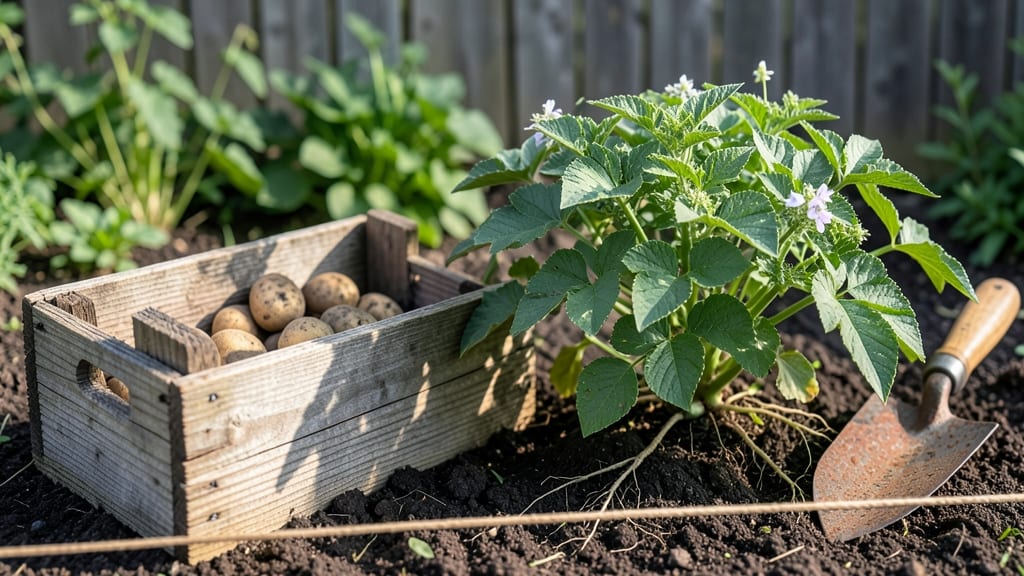
Timing when you can plant potatoes in Zone 7 can mean the difference between a bountiful harvest and wasted effort. The right window ensures your 🥔 plants thrive, while getting it wrong risks stunted growth or disease.
Whether you're a seasoned gardener or just starting, knowing exactly when to plant is the key to success.
Most gardeners in Zone 7 plant potatoes in early spring, typically between February and March, about 2-4 weeks before the last frost date. This gives your tubers time to establish roots before the soil warms up.
But did you know you can also plant in late winter for an earlier harvest?
In this guide, I'll break down the exact planting schedule, soil temperature requirements, and regional adjustments for Zone 7. You'll learn how to calculate your last frost date, choose the best varieties for your climate, and even discover the benefits of chitting (pre-sprouting) for faster growth.
Ready to grow your best crop yet? Let's dive into the perfect planting timeline so you can enjoy homegrown potatoes all season long.

Zone 7 potato planting schedule: exact weeks before last frost for maximum yield
Planting potatoes in Zone 7 requires precision—timing your seeds too early risks frost damage, while planting too late can delay harvests. The key is understanding your last frost date (typically around March 15 in Zone 7) and adjusting for soil temperature thresholds of 45-50°F for optimal sprouting.
Most gardeners in Zone 7 plant potatoes in early spring (February-March), but fall planting (October-November) is also possible for early-maturing varieties. The goal is to give tubers 90-120 days of growth before harvest—so calculate backward from your first frost date (usually November 15 in Zone 7).
For example, if your last frost is March 15, aim to plant 4-6 weeks beforehand (mid-to-late February).
This window ensures tubers establish roots before soil warms, reducing blight risk and promoting vigorous growth. Chitting (pre-sprouting) your seed potatoes 2-3 weeks before planting can jumpstart growth by 10-14 days.
🌱
For Zone 7 gardeners, the 4-6 week window before last frost is critical for early varieties like Red Norland, which mature in 60-70 days.
Plant these mid-February for a June harvest. Meanwhile, late-season varieties like Russet need planting closer to last frost (early March) to avoid blight from summer humidity.
Pro tip: Use straw or grass mulch to insulate soil and maintain consistent temperatures. This is especially helpful in Zone 7’s variable springs, where cold snaps can linger. Always plant in well-draining soil—potatoes rot quickly in soggy conditions, even in full sun.
If you’re unsure about your last frost date, check local USDA climate data or ask your local Cooperative Extension office. Many Zone 7 regions (like Atlanta, GA or Richmond, VA) have microclimates that shift frost dates by 1-2 weeks. Adjust accordingly!
🌿
For fall planting, aim to sow 10-12 weeks before first frost (early October in Zone 7). This works best for early-maturing varieties like Fingerlings, which can tolerate cooler soils. Use black plastic mulch to warm soil faster and protect tubers from early frosts.
Remember: Potatoes need 6+ hours of sun daily, so choose a south-facing bed if possible. Shade from trees or fences can stunt growth, even in Zone 7’s mild climate. Keep soil moist but not waterlogged—aim for 1-2 inches of water per week during the growing season.
✂️
Zone 7 potato planting schedule: exact weeks before last frost for maximum yield
In Zone 7, potatoes thrive when planted 2-4 weeks before your last frost date—typically between mid-February and early April. This timing ensures tubers develop before summer heat arrives, but early varieties can even handle cooler soils.
For late-season harvests, a second planting in late June works too, giving you spuds until frost.
Your last frost date in Zone 7 usually falls around March 15, but check local averages—some areas may vary by 1-2 weeks.
For early varieties like 'Yukon Gold', aim for February 15-28; mid-season types (e.g., 'Kennebec') go in March 1-15; and late varieties (e.g., 'Russet') can wait until March 15-30 for a summer harvest.
Soil temperature matters too—potatoes sprout best when soil reaches 45°F (7°C). Use a soil thermometer to confirm readiness, especially in sandy soils that warm faster. If temps are too cold, delay planting or use row covers to protect young sprouts.
| Variety Type | Planting Window (Zone 7) | Days to Maturity | Best For |
|---|---|---|---|
| Early (e.g., 'Red Norland') | Feb 15–Mar 1 | 60–90 days | Cool soils, spring harvest |
| Mid (e.g., 'Kennebec') | Mar 1–Mar 15 | 90–110 days | Summer harvest, storage |
| Late (e.g., 'Russet') | Mar 15–Mar 30 | 110–120 days | Fall harvest, baking |
| Fall Planting (e.g., 'Yukon Gold') | Jun 20–Jul 15 | 70–90 days | Late-season harvest |
Pro tip: If your soil stays cold past March, chit your seed potatoes (sprout them indoors in light) to jumpstart growth. Place them in a bright, cool spot (60°F/15°C) for 2–4 weeks before planting—this cuts 10–14 days off your growing time. Just avoid direct sunlight, which turns sprouts green (toxic if eaten).
For container growing, use 5-gallon pots and plant 2 weeks earlier than in-ground—containers warm faster. Fill with light, airy mix (50% compost, 30% peat moss, 20% perlite) to prevent rot. Water deeply every 3–5 days once sprouts emerge, as pots dry out quicker than garden beds.
Missed the spring window? Don’t panic! Fall planting works too—sow late June to mid-July for a harvest before frost. Choose early varieties and use black plastic mulch to retain heat. Just ensure tubers mature before first frost (Nov 15) to avoid rot.