
Companion Plants
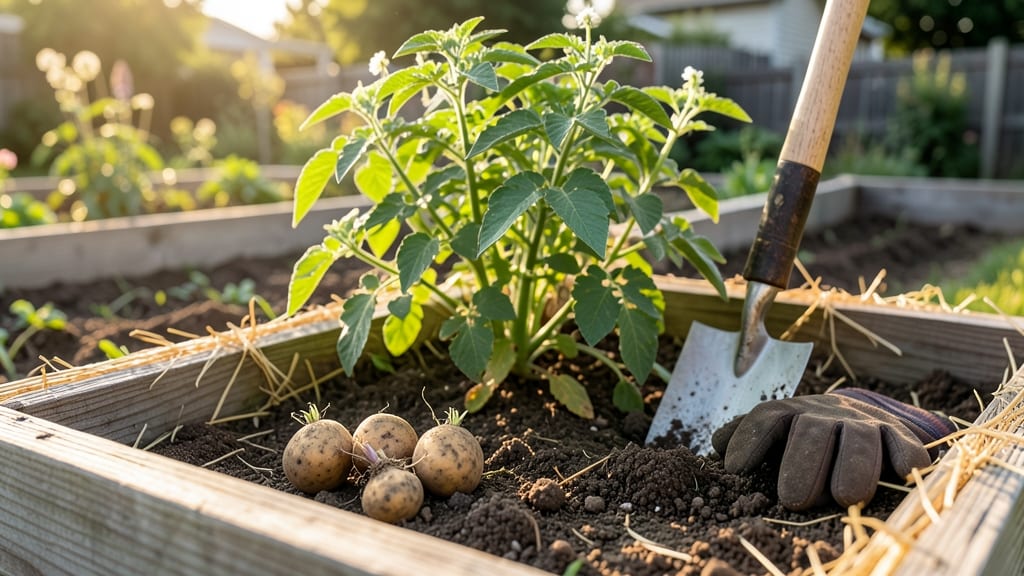
If you're asking "when can I plant potatoes in Zone 6", the answer isn't just about the calendar—it's about soil temperature, and getting it right means the difference between a fast harvest and wasted effort.
Zone 6 gardeners know that planting too early risks frost damage, while waiting too long cuts your growing season short. The key is timing it when the soil warms to 45°F, typically 4–6 weeks before your last frost date, which for most of Zone 6 falls around mid-April.
But here's the catch: not all potatoes are created equal. Early varieties like Yukon Gold can handle cooler soils, while late-season types need warmer temperatures to thrive. Even the most patient gardener can get frustrated when seed potatoes sit in cold soil, refusing to sprout.
The solution? A few simple soil prep tricks that speed up germination and give your 🥔 plants the jumpstart they need.
In this guide, I'll break down the exact planting window for Zone 6, including how to test soil temperature and adjust for your specific microclimate. You'll also discover 5 soil prep tricks that cut germination time in half—no guesswork, just proven methods for faster, healthier potatoes.
Whether you're a first-time gardener or a seasoned grower, these insights will help you maximize your harvest before the first frost hits.
Ready to dig in? Let's turn your potato patch from a gamble into a guaranteed success—starting with the right planting timing and soil conditions.

Zone 6 potato planting calendar: soil temperature rules for success
In Zone 6, the key to planting potatoes isn’t just about avoiding frost—it’s about soil temperature. Potatoes need 40–50°F soil to germinate, but 50–60°F speeds up growth. If you plant too early in cold soil, your seed potatoes will rot before sprouting.
The last frost date (usually mid-April) is a starting point, but soil warms slower than air temperatures suggest.
To nail the perfect planting window, check your soil’s depth temperature (4–6 inches down) using a soil thermometer. Early varieties like Yukon Gold can handle 40°F soil, while late varieties like Red Pontiac thrive in 50°F+ soil.
Planting too late risks smaller yields or tubers that mature after the first frost.
Here’s how to test your soil temperature: Stick the thermometer in the ground where you’ll plant, leave it for 10 minutes, and check the reading. If it’s below 45°F, wait a few days—potatoes won’t germinate until the soil warms up.
Pro tip: Morning readings are most accurate since soil cools overnight.
Zone 6’s microclimates matter too. Urban areas warm faster than rural spots, and south-facing beds get sun longer. If you’re near a lake or hillside, soil may stay colder longer. Adjust your planting date accordingly—sometimes 2–3 weeks earlier works in warmer microclimates.
Don’t rely on calendar dates alone. In Zone 6a (colder), aim for late March to early April when soil hits 45°F. In Zone 6b (warmer), you can plant as early as mid-March.
The goal is to have 90–120 frost-free days before harvest, so late varieties need a later start.
If frost is still a risk after planting, use frost blankets or row covers for the first 2–3 weeks. Potatoes are tender sprouts until they’re 4–6 inches tall.
Once they’ve developed a strong root system, they’ll tolerate cooler temps better. But never plant when a hard frost is forecasted—frost-killed sprouts won’t recover.
For a second crop in Zone 6, plant late varieties (like Kennebec) in late May to early June after the soil has warmed. These need 90–120 days to mature, so they’ll be ready for harvest before the first frost in October.
Just be prepared to hill soil around the stems to protect them from late-season chills.
One common mistake is planting too deep. Seed potatoes should go 4 inches deep, with 12 inches between plants and 30 inches between rows. Deeper planting can delay germination, while shallow planting exposes tubers to light (turning them green and toxic).
Use a soil marker to track planting depth if you’re unsure.
Here’s a quick rule of thumb: If you can stick your finger 4 inches into the soil without resistance, it’s ready. If it feels like packed snow, wait another week. The earlier you plant, the earlier you’ll harvest, but don’t rush—cold soil = rot.
Now, let’s break down the ideal planting windows based on soil temperature and variety type to help you choose the best time for your Zone 6 garden: