
Companion Plants
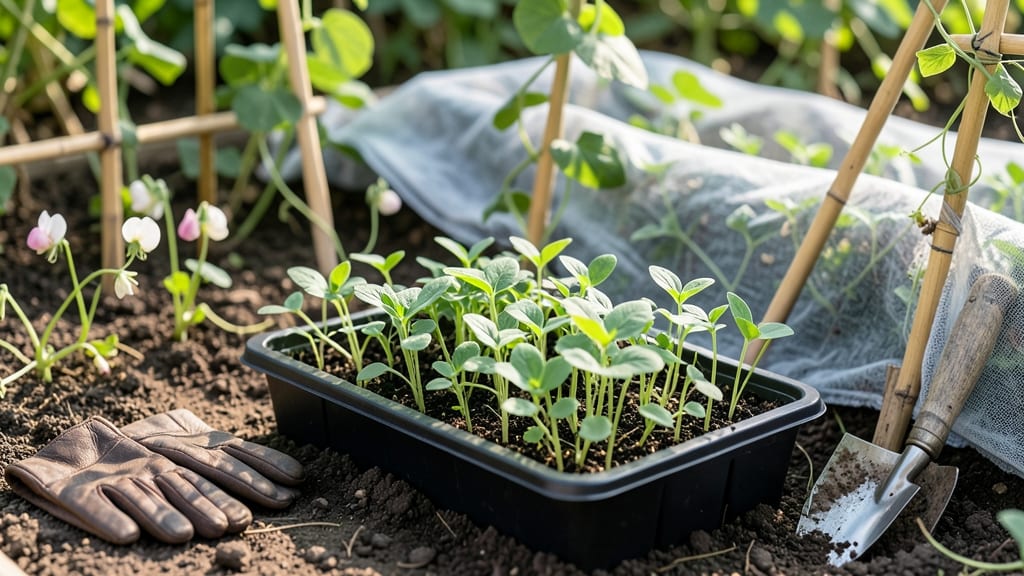
If you're wondering "when can I plant peas in Zone 6", timing is everything—because those little 🌱 seeds need just the right conditions to thrive.
Plant too early, and frost will nip them in the bud; too late, and you'll miss the sweet, tender harvest before summer heat sets in.
The secret lies in soil temperatures between 40°F and 75°F, which in Zone 6 typically opens the window in early spring (March-April) or late summer (August-September). But here's the catch: even the most eager gardeners can misjudge the exact week, leading to stunted growth or wasted seeds.
I've tested the best planting strategies over the years, and what works for Zone 6 isn't just about dates—it's about soil warmth, frost risk, and even microclimates in your yard.
Whether you're a first-time gardener or a seasoned pro, this guide will help you pinpoint the perfect moment to plant for a bountiful harvest.
From choosing the right varieties to adjusting for unexpected cold snaps, you'll learn how to turn your pea patch into a thriving success. Let's get those seeds in the ground at exactly the right time!

Zone 6 pea planting calendar: exact weeks by soil temperature
Peas are cool-season champions, but their success in Zone 6 hinges on precise timing. The ideal soil temperature range for planting is 40°F to 75°F, which translates to two key windows: early spring (March-April) and late summer (August-September).
Missing these windows risks frost damage or heat stress, so let’s break it down week-by-week.
For spring planting, start as soon as soil reaches 40°F—typically late February to early March in most of Zone 6.
In colder microclimates, wait until mid-March to avoid frost. Fall planting works in late August to early September, targeting soil temps between 60°F and 70°F for a second harvest before frost.
Here’s the week-by-week breakdown of when to plant based on soil temperature and frost risk. Use a soil thermometer to confirm—don’t guess!
| Season | Planting Window | Soil Temp (°F) | Frost Risk | Action |
|---|---|---|---|---|
| Early Spring | Late Feb - Early Mar | 40-45°F | High (use row covers) | Plant hardy varieties like 'Wando' or 'Green Arrow'. |
| Spring | Mid-Mar - Early Apr | 45-55°F | Moderate (watch forecasts) | Best time for sugar snap and shelling peas. |
| Fall | Late Aug - Early Sep | 60-70°F | Low (if planted early) | Choose fast-maturing varieties like 'Little Marvel'. |
| Late Fall | Mid-Sep | 55-65°F | High (risk of early frost) | Use row covers or plant in protected microclimates. |
In Zone 6, the last average frost date is around April 15, but microclimates near lakes or valleys can delay frost by 1-2 weeks. For fall planting, aim to harvest before the October 15 first frost date.
If you’re unsure, err on the side of earlier planting—peas tolerate cooler soil better than heat.
Pro tip: Soak seeds overnight before planting in cold soil to speed up germination. This trick works especially well for late February plantings when soil is still chilly. Pair this with a light mulch (straw or grass clippings) to retain warmth and moisture.
If you’re in a warmer microclimate (e.g., near a south-facing wall), you might push planting back by 1-2 weeks. But if your yard is cold and windy, start 2 weeks earlier and use row covers for protection. Every garden is unique, so adjust based on your specific conditions.
Remember, peas are fast growers—most varieties mature in 50-70 days. This means you can often squeeze in two harvests per year in Zone 6 if you time it right. The key is soil temperature, not just calendar dates.
For spring plantings, aim to have peas in the ground by mid-April to avoid late frosts. For fall, stop planting by early September to ensure pods mature before cold snaps.
Use a planting calendar or garden journal to track your success—it’s the best way to refine your timing each year.
One final tip: Interplant peas with radishes or lettuce to maximize space and extend your harvest. Radishes mature in just 30 days, so they’re perfect for filling gaps while peas take their time to grow.
Now that you’ve got the exact weeks down, let’s talk about how to adjust for frost risks and microclimates in the next section. Trust me, these tweaks can mean the difference between a bountiful harvest and a wasted seed packet.
Zone 6 pea planting calendar: exact weeks by soil temperature
Peas thrive when soil temperatures hover between 40°F and 75°F, making Zone 6’s climate perfect for two planting windows: early spring and late summer. The key is planting when the ground warms enough to support germination but isn’t yet too hot.
In my garden, I’ve found that March 15 to April 15 and August 1 to September 15 are the sweet spots for most Zone 6 gardeners.
Soil temperature is more critical than air temperature—peas won’t germinate well if the soil stays below 40°F. Use a soil thermometer to check before planting, especially in unpredictable springs. I’ve learned the hard way that rushing seeds into cold soil leads to rot rather than sprouts.
Here’s the breakdown of ideal planting weeks based on soil temperature and frost risk in Zone 6:
| Planting Window | Soil Temp Range | Frost Risk | Best Varieties |
|---|---|---|---|
| Early Spring (March 15–April 15) | 40°F–55°F | High (last frost ~April 15) | 'Green Arrow,' 'Little Marvel' |
| Late Spring (April 16–May 10) | 55°F–65°F | Moderate (frost unlikely) | 'Sugar Snap,' 'Wando' |
| Late Summer (August 1–September 15) | 60°F–75°F | Low (first frost ~October 15) | 'Oregon Sugar Pod,' 'Tom Thumb' |
For spring planting, aim to harvest before summer heat sets in (typically by late June). Fall planting gives you a second chance—just ensure your peas mature before the first frost in mid-October. In my experience, August 15 is the absolute latest I’ll plant for a fall harvest.
If your soil runs cooler than average, consider using black plastic mulch to warm it up faster. I’ve seen it raise soil temps by 5–10°F in just a few days, making early spring planting much safer. Just remove it once plants emerge to avoid overheating.
Pro tip: Plant a test row 2 weeks before your target date to gauge soil conditions. If those seeds sprout within 7–10 days, you’re good to go for full planting. If not, wait another week—your future harvest depends on it!