
Planting
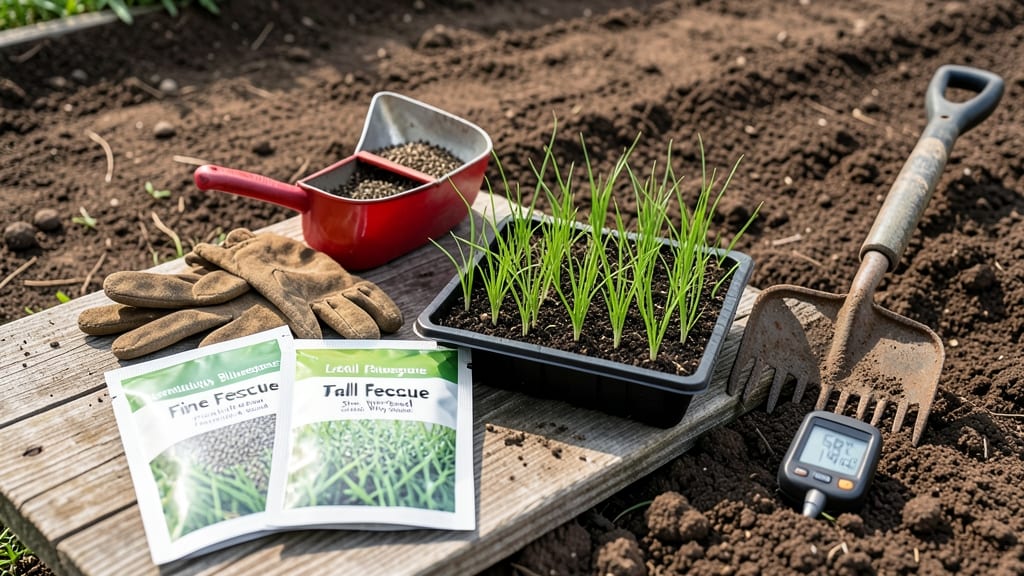
Timing your grass seed planting in Massachusetts isn’t just about picking a month—it’s about catching that perfect window when soil warms enough to sprout but stays cool enough to avoid stress.
With USDA zones 5a-7b and frost dates that can swing wildly from coastal Cape Cod to the inland hills, getting it wrong means weak seedlings or wasted seed.
I’ve seen too many homeowners rush planting in late spring only to watch their 🌱 grass struggle through heat waves or get zapped by a surprise frost.
The key? Planting when soil hits 50°F consistently—usually early April for spring or late September for fall—while avoiding the state’s notorious May frost risks.
This isn’t just theory—it’s a battle-tested strategy. Whether you’re seeding a new lawn or overseeding a tired patch, I’ll break down the exact weeks to plant by region, plus how to prep your soil and protect young shoots.
Let’s turn your patchy yard into a thriving green carpet—without the guesswork.
Ready to stop second-guessing? Here’s how to nail your planting schedule for Massachusetts’ unpredictable climate, so you can enjoy that first mow of the season without anxiety.
Massachusetts frost-free Zone map: best planting weeks by region
Massachusetts spans USDA Zones 4b through 6a, meaning frost dates vary dramatically from the coastal regions to the inland valleys. In Boston and Cape Cod, the last frost typically arrives by April 15, while inland areas like Worcester or Springfield may wait until May 1.
These differences mean your planting window shifts by 3-4 weeks depending on location.
For optimal germination, aim to plant when soil temperatures reach 50°F (10°C) and stay consistent. Coastal areas can start as early as late March, while inland regions should wait until mid-April.
Fall planting works best from mid-September to early October, giving seedlings time to establish before winter.
Use the USDA Plant Hardiness Zone Map to pinpoint your exact zone. For example, Zone 5a (northern MA) has a shorter growing season, while Zone 6a (southern MA) offers a longer window. Even within cities, microclimates matter—urban heat islands can delay frost by 1-2 weeks.
Here’s how to adjust your planting schedule based on your region:
| Region | USDA Zone | Last Frost (Avg.) | Best Planting Window | Soil Temp Threshold |
|---|---|---|---|---|
| Coastal (Boston, Cape Cod) | 6a | April 15 | Late March–April 30 | 50°F (10°C) |
| Central (Worcester, Springfield) | 5b | May 1 | Mid-April–May 15 | 50°F (10°C) |
| Northern (Greenfield, Pittsfield) | 4b | May 10 | Late April–May 30 | 55°F (13°C) |
| Fall Planting (Statewide) | All Zones | N/A | Mid-Sept–Early Oct | 60°F (16°C) |
Pro tip: Check the National Weather Service or local Cooperative Extension Service for real-time frost alerts. A late frost in May can wipe out young seedlings, so monitor forecasts closely. If frost is predicted within 5 days of planting, delay until conditions stabilize.
For coastal areas, early spring planting (late March) offers 6-8 weeks of growth before summer heat stress. Inland regions benefit from fall planting, as cooler temps reduce weed competition and drought risk. Test your soil’s pH (6.0–7.0 ideal) and amend with compost or lime if needed before seeding.
If you’re unsure about your exact frost date, use a soil thermometer to confirm temperatures. Plant when readings are consistently above 50°F for 5+ days. This ensures seeds germinate quickly and avoid rot from cold, wet soil.
Remember: Fall planting is often underrated but ideal for Massachusetts. Seedlings establish roots before winter, giving you a head start in spring. Just avoid planting after October 15, as new growth won’t harden off before frost.
🌱
How to adjust planting dates for early spring vs. fall success
Massachusetts’ unpredictable frost dates mean planting grass seed in late April or early October can be a gamble. I’ve learned the hard way—my first attempt in May 2020 ended when a late frost wiped out seedlings. The key is adjusting for soil temperature, not just calendar dates.
For spring planting, aim for early April when soil hits 50°F consistently. Use a soil thermometer—if it’s cooler, wait. Coastal areas like Cape Cod can plant 2 weeks earlier than inland Worcester due to milder microclimates.
Fall planting is often more reliable because warm soil and cooler air reduce stress. Seed in late September to early October, giving grass 4-6 weeks to establish before first frost. This method cuts down on weed competition and watering needs next spring.
🌱 Pro Tip: If you’re unsure about frost dates, check the USDA Plant Hardiness Zone Map for your exact location. For example, Boston (Zone 6b) has a last frost around April 15, while North Adams (Zone 5a) waits until May 1.
⚠️ Avoid These Common Mistakes
- Planting too early: Cold soil (below 50°F) delays germination and invites fungal diseases.
- Ignoring soil prep: Skipping aeration or removing debris leads to poor seed-to-soil contact.
- Overwatering: Soggy soil suffocates seeds—keep soil moist but not waterlogged.
- Late spring planting: Heat stress after May 15 causes seedlings to brown and die.
To protect seedlings from late frosts, use row covers or lightweight mulch (like straw) until grass reaches 3 inches tall. For summer heat, plant tall fescue—it tolerates drought better than Kentucky bluegrass.
Test your soil’s pH (6.0–7.0) and amend with lime if needed. I add compost for nutrients and starter fertilizer (10-10-10) at planting. This combo ensures your grass gets a strong start before Massachusetts’ hot summers or freezing winters take over.
💧 Watering Hack: Use a rain gauge to track 1 inch of water per week. Early morning watering (before 10 AM) prevents fungus and evaporation.