
Plants
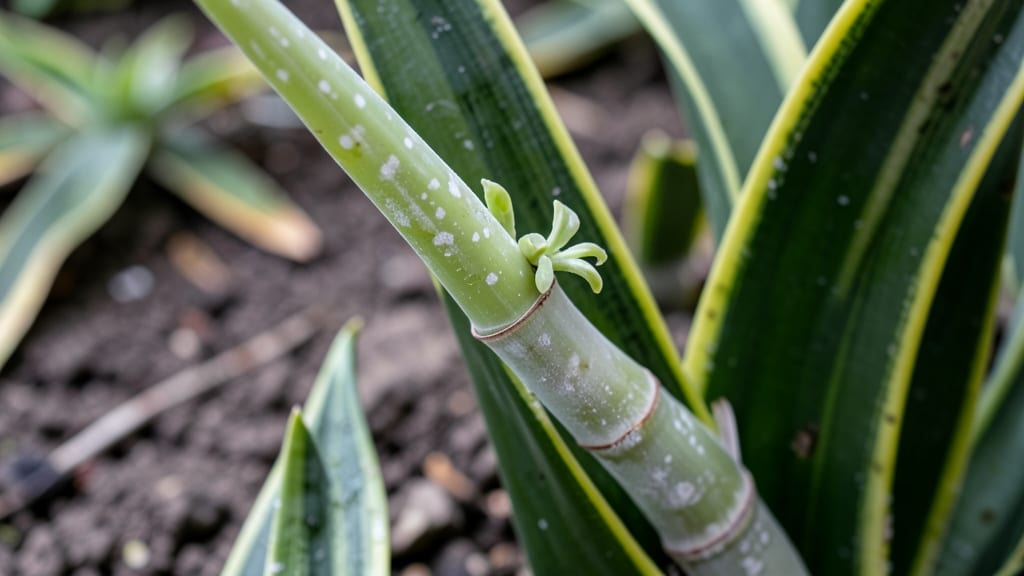
The exact height of your snake plant could surprise you—how tall it grows depends on its variety, with some staying compact while others reach toward the ceiling.
If you’ve ever wondered whether your leafy friend will become a floor-filling statement piece or remain a modest tabletop accent, the answer depends on its genetics and your care routine.
Most snake plants reach between 1 and 4 feet at maturity, but dwarf varieties like ‘Hahnii’ (also called "Bird’s Nest") stay under 2 feet, making them perfect for shelves or desks.
Meanwhile, standard types like ‘Laurentii’ can grow 3–4 feet tall—tall enough to rival a kitchen countertop if given the right conditions.
What you might not realize is that light exposure and pot size play huge roles in how tall your snake plant grows. Too much sunlight can stretch leaves upward, while a cramped pot encourages bushier (but shorter) growth.
I’ll break down how to control its height—whether you want a compact centerpiece or a dramatic vertical statement.
Ready to turn your snake plant into the perfect size for your space? Let’s dive into the care secrets that keep it from becoming an unruly giant—or a stunted underachiever.

Snake plant height by variety: from dwarf to floor-filling giants
Snake plants (Sansevieria) are famously low-maintenance, but their mature height can surprise you—especially if you’re used to their compact baby stages. Most varieties grow between 1 to 4 feet tall, but some rare types stretch toward 6 feet in ideal conditions.
The key? Variety, pot size, and light exposure all play a role in how tall your snake plant will become.
For example, the ‘Laurentii’ (the classic yellow-edged variety) typically reaches 2 to 3 feet tall, while ‘Futura Superba’ can dwarf even that at just 1 to 2 feet.
Meanwhile, ‘Moonshine’ and ‘Hahnii’ (the "bird’s nest" snake plant) stay under 1.5 feet, making them perfect for shelves or desks.
Here’s the catch: leaf width and growth rate can make a snake plant look taller than it is. Wide leaves (like those on ‘Twist’) create a bushier appearance, while slender leaves (like ‘Black Gold’) stretch vertically. Even slow growers can seem taller if their leaves arch dramatically.
🌱 Snake Plant Height by Variety
| Variety | Mature Height | Growth Rate | Best For |
|---|---|---|---|
| ‘Laurentii’ | 2–3 ft | Moderate | Floor plants, bright rooms |
| ‘Futura Superba’ | 1–2 ft | Slow | Tables, shelves, offices |
| ‘Moonshine’ | 1–1.5 ft | Slow | Desks, small spaces |
| ‘Hahnii’ (Bird’s Nest) | 1–1.5 ft | Very slow | Hanging baskets, shelves |
| ‘Black Gold’ | 3–4 ft | Fast | Large rooms, statement plants |
| ‘Twist’ | 2–3 ft | Moderate | Corners, tall shelves |
If you’re growing ‘Black Gold’ or ‘Twist’, expect faster vertical growth—these varieties can add 6–12 inches per year in bright light. Meanwhile, ‘Futura Superba’ might only gain 2–3 inches annually.
The difference? Genetics and light exposure. Place your snake plant near an east-facing window for steady growth without leggy stretching.
Pro tip: Leaf arching isn’t just aesthetic—it’s a sign your plant is reaching for light. If your snake plant’s leaves start bending dramatically, it’s time to move it closer to a window or add grow lights. Just avoid direct south-facing sun, which can scorch those thick leaves.
For outdoor growers in USDA Zone 9+, snake plants can thrive in gardens, where they may grow 1–2 feet taller than indoors. However, they’re not cold-hardy—bring potted plants inside before temperatures drop below 50°F.
One last thing: root-bound plants grow taller faster. If your snake plant’s roots are circling the pot, it’s signaling it’s ready for an upsize. Choose a container only 1–2 inches wider than the current one to encourage leaf growth over root sprawl.
Now that you know the height ranges, the next step is managing growth—whether you want a compact desk plant or a floor-filling statement piece. We’ll cover pruning and light hacks in the next section to keep your snake plant at your ideal height.
Snake plant height by variety: from dwarf to floor-filling giants
Snake plants (Sansevieria) come in stunning varieties, each with its own growth quirks. The most common type, Sansevieria trifasciata (often called 'Laurentii'), typically reaches 2 to 4 feet tall indoors.
However, some varieties like Sansevieria cylindrica stay compact at just 1 to 2 feet, perfect for shelves or desks.
Leaf width and shape also play a role in how "tall" your plant feels. The Futura Superba variety grows 3 to 5 feet but has broad, sword-like leaves that make it feel more imposing than its height suggests.
Meanwhile, the Hahnii (often called 'Bird's Nest') stays under 1 foot tall but spreads wider, creating a bushy, ground-hugging look.
🌱
| Variety | Mature Height | Growth Rate | Best For |
|---|---|---|---|
| Sansevieria trifasciata 'Laurentii' | 2–4 ft | Slow to moderate | Corners, floors |
| Sansevieria cylindrica | 1–2 ft | Slow | Shelves, desks |
| Sansevieria 'Futura Superba' | 3–5 ft | Moderate | Large spaces |
| Sansevieria 'Hahnii' | Under 1 ft | Very slow | Tabletops, terrariums |
Your snake plant’s height also depends on its growth environment. In bright, indirect light, most varieties grow 20–30% taller than in low-light conditions. For example, a 'Laurentii' in a sunroom might hit 5 feet, while the same plant in a dim office could stay under 3 feet.
Even the soil mix matters—well-draining, sandy soil encourages vertical growth, while denser mixes slow it down.
If you’re buying a snake plant for a small space, opt for dwarf varieties like 'Hahnii' or 'Moonshine'. These stay under 1 foot tall and thrive in tight spots. For larger areas, standard varieties like 'Laurentii' or 'Futura Superba' will make a bold statement without overwhelming your decor.
Just remember: height isn’t everything—leaf color and texture often steal the show!
🌿