
Plants
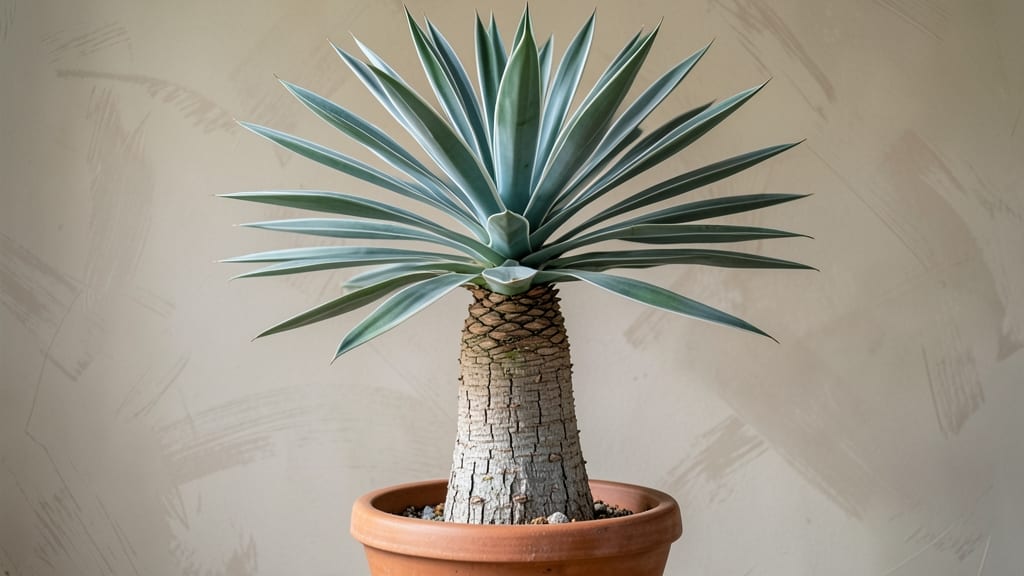
If you’ve ever wondered how tall a yucca plant can grow, the answer might surprise you. Some varieties stretch toward the sky like architectural sculptures, while others stay compact enough for container gardens—making them versatile stars of any landscape.
But here’s the catch: a yucca’s height isn’t just about luck. Climate, soil, and care habits play starring roles in determining whether your plant stays at a manageable 3 feet or shoots up to 20 feet like a desert sentinel.
I’ll break down the key factors that influence growth, so you can nurture your yucca to its full potential—or gently guide it to stay within bounds.
Whether you’re dreaming of a dramatic focal point or a low-maintenance border plant, understanding these growth patterns will help you make the right choices. From dwarf varieties perfect for patios to towering giants that command attention, we’ll explore how to match your space—and your vision—to the perfect yucca.
Ready to discover which varieties thrive in your zone and how to control their size? Let’s dive into the world of yuccas, where beauty meets bold growth strategies.

Yucca plant height by variety: small to giant species compared
Yucca plants are famous for their striking, architectural forms, but their mature heights can vary dramatically depending on the species. Some varieties stay compact enough for small gardens, while others grow tall enough to rival small trees.
If you're planning your landscape, knowing these height ranges will help you choose the perfect yucca for your space.
The Yucca filamentosa, also called Adam's needle, is one of the most common varieties and typically reaches 3 to 6 feet tall. This makes it ideal for borders or as a focal point in medium-sized gardens.
Its arching leaves and clusters of white flowers add a dramatic touch without overwhelming smaller spaces.
On the other end of the spectrum, the Yucca elephantipes, or Spanish dagger, can grow up to 20 feet tall in ideal conditions. This variety is perfect for large landscapes or as a statement plant near patios and walkways.
Its thick, sword-like leaves and towering height make it a standout feature in desert-style gardens.
Here’s a quick comparison of popular yucca varieties and their mature heights:
The Yucca recurvifolia, or driftwood yucca, is one of the smallest varieties, making it perfect for rock gardens or as a ground cover. It spreads horizontally rather than growing tall, staying between 2 and 4 feet tall while creating a lush, textured carpet of foliage.
This variety is also highly drought-tolerant, making it a low-maintenance choice.
If you're looking for a medium-height yucca, the Yucca glauca (soaptree yucca) is an excellent option. It typically grows 4 to 8 feet tall and forms a bushy, multi-stemmed habit.
This variety is known for its tolerance to cold climates, making it a versatile choice for gardens in USDA zones 4–9. Its pale blue-green leaves add a soft contrast to bolder plants.
For those who love a bold statement, the Yucca whipplei (Our Lord's Candle) is a striking choice. This variety can reach 6 to 10 feet tall and produces dramatic, candle-like flower spikes that rise above the foliage.
It thrives in full sun and well-draining soil, making it ideal for desert landscapes or Mediterranean-style gardens.
When selecting a yucca variety, consider not only its mature height but also its growth habit. Some yuccas, like the Yucca elephantipes, grow as single-stemmed trees, while others, like the Yucca filamentosa, form clumps. This difference can impact how you use them in your landscape design.
Always check your local climate and soil conditions before planting. Yuccas thrive in arid environments with well-draining soil, but some varieties, like the Yucca glauca, can tolerate cooler temperatures.
With the right conditions, your yucca can grow to its full potential, adding drama and texture to your garden for years to come.
Factors that determine Yucca plant growth height (and how to control it)
Yucca plants are masters of adaptability, but their height growth depends heavily on where and how you grow them. The sunlight exposure your plant receives is the #1 factor—yuccas thrive in full sun (6+ hours daily) and can grow 30-50% taller in ideal conditions compared to shaded spots.
I’ve seen Yucca elephantipes reach 15 feet in desert climates but stay under 8 feet in partial shade.
Your soil type also plays a surprising role. Yuccas despise soggy roots, so well-draining sandy or gravelly soil encourages vertical growth. Amend heavy clay with perlite or coarse sand to prevent stunted growth.
I once had a Yucca filamentosa that barely grew past 4 feet in compacted soil until I improved drainage—then it shot up to 6 feet in a single season!
The watering habits you establish will either fuel or limit growth. Yuccas are drought-tolerant, so overwatering can actually reduce height potential by encouraging weak, leggy stems.
I recommend deep watering every 2-3 weeks in summer and monthly in winter. Too much water? Your plant may grow wider instead of taller.
Don’t overlook climate zones—yuccas in USDA Zones 7-11 grow fastest, while colder zones (Zone 5-6) may see slower, more compact growth.
In my Zone 6 garden, I mulch heavily in winter to protect roots, which helps my Yucca gloriosa maintain a 5-foot height instead of struggling to reach 8 feet.
Key Growth Controls
- Sunlight: Full sun = faster vertical growth (up to 20 feet)
- Soil: Well-draining = stronger stems (add gravel if needed)
- Water: Less = taller growth (avoid weekly watering)
- Pruning: Trim dead leaves to redirect energy upward
- Fertilizer: Light feed (5-10-10) in spring only
If you’re growing yuccas in containers, height will naturally be limited by pot size. I’ve seen Yucca rostrata reach 10 feet in-ground but stay under 6 feet in 15-gallon pots.
Root-bound plants focus energy on leaf production rather than height. For container yuccas, choose deep pots with drainage holes and upgrade sizes every 2-3 years.
Finally, pruning habits can either encourage or limit height. Strategic trimming removes old leaves that compete with new growth, allowing energy to fuel upward expansion.
I’ll cover this in detail in the next section, but for now, remember: never prune more than 1/3 of the plant at once, or you’ll stunt its growth potential entirely.