
Plants
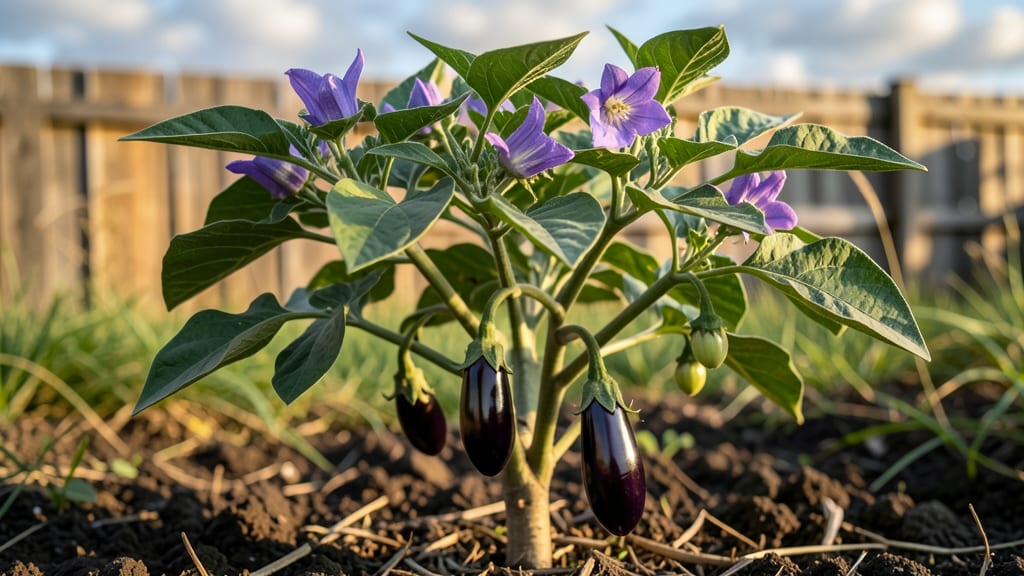
If you've ever wondered how tall does an eggplant plant grow, you're not alone—many gardeners underestimate just how much vertical space these veggies need.
A single eggplant plant can easily reach 3 to 4 feet in height, with some heirloom varieties stretching even taller, making them a surprisingly dominant presence in your garden.
Understanding your eggplant's growth habits is the key to planning your garden layout without sacrificing space for other crops. Whether you're working with compact dwarf varieties or towering vining types, knowing what to expect helps you decide between trellising, pruning, or simply spacing them properly for a thriving harvest.
For most home gardeners in Zone 6a, standard eggplant varieties will grow between 2 and 4 feet, while dwarf types stay closer to 1 to 2 feet.
This means you can fit them neatly into raised beds, containers, or even small backyard plots without feeling crowded. The right approach makes all the difference.
Ready to optimize your garden? I'll walk you through the best ways to manage eggplant height—whether you're dealing with sprawling plants or limited space. Let's get growing!

Eggplant height by variety: dwarf vs standard vs giant types
Eggplants come in a surprising range of sizes, from compact dwarf varieties that stay under 2 feet to towering heirloom types that can reach 5 feet or more. Knowing these differences helps you choose the right variety for your space and growing style.
For example, Black Beauty and Ichiban are classic standard varieties that typically hit 3 to 4 feet, while Fairy Tale or Patio Baby stay neatly between 18 and 24 inches.
The height of your eggplant plant also depends on its growth habit. Most commercial varieties grow as bush plants, forming a compact, rounded shape, while some vining types (like Long Purple) can sprawl or climb if given support.
This distinction affects how you plan your garden layout—whether you need to allocate 2 feet of space for dwarfs or 3 to 4 feet for standards.
Here’s a quick breakdown of what to expect from common eggplant types:
| Variety Type | Height Range | Growth Habit | Best For |
|---|---|---|---|
| Dwarf Varieties | 18–24 inches | Bush | Containers, small gardens |
| Standard Varieties | 3–4 feet | Bush | Raised beds, in-ground plots |
| Heirloom/Giant | 4–6+ feet | Vining or sprawling | Trellises, large gardens |
| Semi-Dwarf | 2–3 feet | Bush | Balcony gardens, small spaces |
If you're growing eggplants in containers, opt for dwarf or semi-dwarf varieties like Fairy Tale or Patio types, which thrive in 5-gallon pots or larger. These varieties stay manageable while still producing plenty of fruit.
For in-ground gardens, standard varieties like Black Beauty or Rosa Bianca are ideal—they fit well in rows with 18 to 24 inches of spacing between plants.
For gardeners with limited vertical space, pruning can help control height. Pinching back the top growth encourages a bushier shape and prevents legginess. This technique works especially well for standard varieties that might otherwise stretch toward the sun.
Just be sure to prune in the morning to allow wounds to heal before evening moisture sets in.
Another factor influencing height is your climate. Eggplants in hotter regions (like Zone 9+) may grow taller and faster due to prolonged growing seasons, while those in cooler climates (like Zone 6a) might stay slightly shorter. Adjust your spacing and support structures accordingly to accommodate these variations.
Pro tip: If you're growing vining varieties, invest in a trellis or cage early—these plants can become top-heavy with fruit and may need extra support. A 5-foot-tall trellis is ideal for heirloom types like Long Purple, which can produce foot-long eggplants if given the right conditions.
Understanding these height differences ensures you allocate the right amount of space in your garden. Whether you're working with compact dwarfs or towering giants, planning ahead makes all the difference in your harvest success.
Eggplant height by variety: dwarf vs standard vs giant types
Eggplant plants vary dramatically in height depending on the variety and growth habits. While most gardeners picture a compact bush, some varieties can grow as tall as 5 feet or more, making them a vertical powerhouse in your garden.
Knowing these differences helps you plan spacing, support structures, and companion plants effectively.
For example, dwarf varieties like 'Fairy Tale' or 'Patio Baby' stay between 18 and 24 inches, perfect for containers or small spaces. Meanwhile, standard varieties such as 'Black Beauty' or 'Ichiban' typically reach 3 to 4 feet, requiring more room to spread.
Heirloom types like 'Rosa Bianca' can even exceed 5 feet in ideal conditions.
Here’s how to match your garden space to the right eggplant type:
| Variety Type | Height Range | Growth Habit | Best For |
|---|---|---|---|
| Dwarf | 18–24 inches | Bushy, compact | Containers, small gardens |
| Standard | 3–4 feet | Bushy to slightly vining | Raised beds, in-ground plots |
| Heirloom/Giant | 4–6+ feet | Vining, sprawling | Large gardens, trellises |
If you’re growing standard varieties, plan for at least 2 feet of space between plants to prevent overcrowding. For vining types, consider trellising or caging to save space and improve airflow, which reduces disease risk.
My go-to recommendation for beginners is 'Black Beauty'—it’s reliable, productive, and stays within the 3–4 foot range.
For container gardening, opt for dwarf varieties like 'Fairy Tale' and use 5-gallon pots with well-draining soil. Place containers in full sun (6+ hours daily) to encourage healthy growth without excessive height. Avoid over-fertilizing nitrogen, which can lead to lush foliage but fewer fruits.
Remember, eggplants thrive in warm climates (Zone 6a and above), so if you’re in a cooler region, choose early-maturing varieties like 'Little Penny' to avoid stunted growth. With the right variety and care, you’ll enjoy a bountiful harvest without your garden looking like a jungle!