
Plants
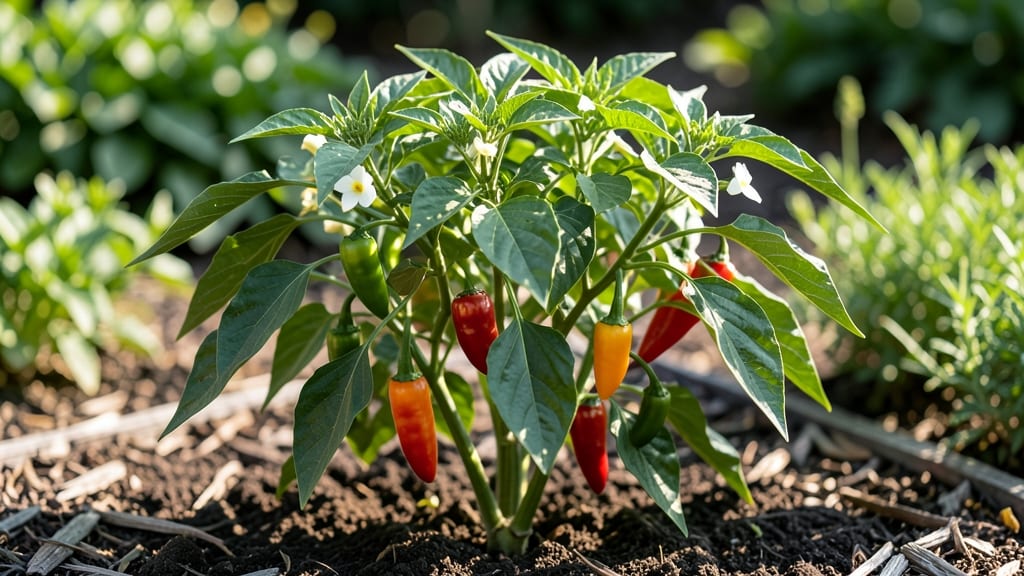
Wondering how tall does a habanero plant grow? If you're planning your garden layout, this fiery little 🌶️ pepper could surprise you—some varieties stretch toward the sky while others stay neatly compact.
Most habanero plants reach between 2 and 4 feet at maturity, but the exact height depends on the variety and growing conditions. Whether you're dealing with a bushy 'Carolina Reaper' or a more manageable 'Red Savina,' knowing these details helps you decide between containers, trellises, or open garden beds.
This isn't just about aesthetics—proper spacing and support can mean the difference between a thriving harvest and a struggling plant. Let’s break down how height varies by variety, how to control growth naturally, and when pruning might be your best friend.
Ready to optimize your garden for those spicy rewards? I’ll walk you through everything you need to know to keep your habaneros happy—and your garden organized.

Habanero plant height by variety: exact growth expectations
Habanero plants typically reach heights between 2 and 4 feet at maturity, but the exact size depends heavily on the variety and growing conditions. Some compact types like 'Dwarf Habanero' stay under 2 feet, while others like 'Carolina Reaper' can exceed 4 feet with proper care.
Understanding these differences helps you choose the right variety for your garden space or container setup.
Most habaneros grow as bushy plants rather than vines, meaning they spread outward as they grow taller. This growth habit affects how you space plants and whether you need trellising support.
For example, 'Red Savina' grows taller and more upright, while 'Orange Habanero' tends to be bushier and wider. Let’s break down the height expectations for popular varieties.
🌱 Did You Know? Some habanero varieties, like 'Seven Pot', are bred specifically for container gardening and stay under 2 feet tall, making them perfect for balconies or small patios.
| Variety | Mature Height | Growth Habit | Best For |
|---|---|---|---|
| Carolina Reaper | 3–4 ft | Tall, upright | Large gardens, trellises |
| Red Savina | 2.5–3.5 ft | Bushy, spreading | In-ground beds, containers |
| Seven Pot | 1.5–2 ft | Compact, bushy | Containers, small spaces |
| Orange Habanero | 2–3 ft | Bushy, wide | In-ground, raised beds |
| Dwarf Habanero | 1.5–2 ft | Dwarf, compact | Balconies, patios |
| Chocolate Habanero | 2.5–3.5 ft | Tall, spreading | Large containers, trellises |
The Carolina Reaper, one of the hottest habaneros, often grows the tallest at 3–4 feet, making it ideal for gardeners with ample space or those using trellising systems.
In contrast, 'Seven Pot' and 'Dwarf Habanero' are perfect for urban gardeners with limited room, as they thrive in 5-gallon containers or smaller.
Height also impacts yield and heat production. Taller varieties like 'Red Savina' produce more peppers but may require staking to prevent toppling. Shorter varieties, while producing fewer peppers, are easier to manage and harvest.
For example, a 2-foot-tall plant like 'Orange Habanero' might yield 20–30 peppers, while a 4-foot 'Carolina Reaper' could produce 50+.
If you’re growing habaneros in containers, choose dwarf varieties to avoid root-bound stress. Even standard varieties can be pruned to stay within 2–3 feet, which is ideal for balcony gardening. Just ensure your container has drainage holes and is at least 12 inches deep to accommodate roots.
For gardeners in cooler climates (USDA Zones 8–10), taller habaneros may grow more slowly but still reach their full height with proper care. In hotter zones (like Florida or Texas), habaneros can grow faster and taller, sometimes exceeding 4 feet if not pruned.
Always monitor your plants and adjust pruning or support as needed.
Pro tip: If you notice your habanero plants growing too leggy, move them to a sunnier spot or use a grow light for 12–14 hours a day.
This encourages bushier growth and prevents them from becoming top-heavy. A leggy plant is a sign of light deprivation, which can reduce pepper production.
🌿 Key Takeaway: The height of your habanero plant directly affects its yield, manageability, and heat potential. Choose a variety that fits your space, and don’t hesitate to prune or trellis to optimize growth and harvest.
How to control habanero plant height for small spaces
If your garden space is limited, you don’t have to sacrifice your habanero harvest just because the plants naturally reach 3–4 feet tall. With the right techniques, you can keep them compact, even in containers or small urban plots.
The key is understanding pruning strategies and support systems that encourage bushier growth while maintaining productivity.
For example, topping (pinching off the main stem) redirects energy to side branches, creating a fuller plant. This method works especially well for bush-type habaneros like 'Red Savina,' which can stay under 2 feet with regular pruning.
Meanwhile, trellising is ideal for taller varieties like 'Carolina Reaper,' guiding their vertical growth upward instead of sprawling.
🌱 Pro Tip: Always prune in the morning when plants are hydrated and wounds heal faster. Use clean, sharp pruners to avoid disease entry points.
📌 Numbered Highlights: Managing Habanero Height
- 🪴 Use 5-gallon containers for dwarf varieties like 'Chocolate Habanero' (stays 18–24 inches).
- ✂️ Prune side shoots to 3–4 leaves when they’re 6 inches long to encourage branching.
- 🌿 Add a trellis for tall varieties—train main stems vertically to save space.
- ☀️ Maximize sunlight (6+ hours daily) to prevent leggy growth from shade.
- 💧 Water deeply 2x/week to prevent stress-induced stretching.
Another game-changer is container selection. Deep pots (12+ inches) with drainage holes prevent root-bound stress, which can stunt growth. For urban gardeners, hanging baskets work surprisingly well for bushy types, keeping peppers within arm’s reach while freeing up ground space.
Remember, height control doesn’t mean fewer peppers—in fact, pruned plants often produce more fruit because energy isn’t wasted on excessive stem growth. Just avoid over-pruning, as this can reduce yield. Aim to maintain 3–5 main branches per plant for optimal balance.
For those with balcony gardens, consider stackable planters or vertical gardening systems. These let you grow multiple habanero plants in a small footprint while keeping them at manageable heights. Just ensure each plant gets at least 12 inches of space between neighbors to avoid competition.
🌶️ Final Tip: If you’re growing habaneros for heat competitions, taller plants (like 'Pepper X') may yield larger peppers—but for everyday use, compact varieties like 'Orange Habanero' (2–3 feet) are just as productive and easier to manage.