
Plants
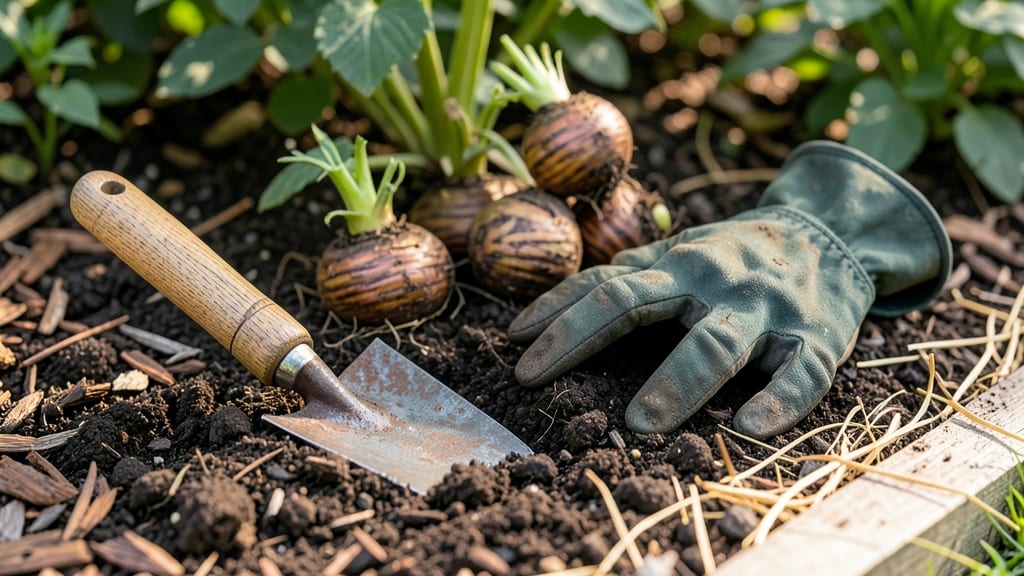
Timing your dahlia planting in California can mean the difference between a showstopping garden and wasted tubers—especially when coastal fog meets desert heat just 100 miles apart.
Whether you're in chilly San Francisco or sweltering Palm Springs, getting those 🌼 tubers in the ground at the wrong time risks frost damage or stunted growth.
Most gardeners assume "spring" means one-size-fits-all, but California's USDA zones 9-11 demand precision. Coastal areas like Santa Barbara can plant as late as May, while inland deserts near Palm Springs should start as early as February to beat the heat.
The key? Soil temperature—wait until it hits 60°F or your tubers will rot.
I’ll break down the exact week-by-week schedule for your microclimate, plus soil prep secrets to ensure your dahlias thrive. No more guessing whether to plant seeds or tubers, or how deep to bury them—just a foolproof plan tailored to where you live.
Ready to transform your garden into a dahlia paradise? Let’s dive into the critical timing that’ll have you cutting blooms by summer—and avoiding the mistakes that kill 90% of first-time plantings.
California dahlia planting calendar by microclimate: exact weeks to plant
California’s three distinct microclimates—coastal, Central Valley, and desert—each demand a different dahlia planting timeline. Coastal areas like San Francisco face late-spring frosts until May 15, while desert regions (e.g., Palm Springs) can plant as early as February 1.
Ignoring these differences risks frost damage or stunted growth. Below is your region-specific planting schedule, including soil temperature thresholds and frost-free dates.
Dahlias thrive when soil reaches 55°F+, but tubers planted too early rot. Use a soil thermometer to confirm readiness—60°F+ is ideal. Coastal gardeners should wait until April 1 for San Francisco or March 15 for Los Angeles, while desert regions can start February 15.
Central Valley areas (e.g., Sacramento) align closer to coastal timelines but with slightly earlier windows due to warmer inland microclimates.
🌱
For coastal gardeners, prioritize late April planting to avoid May frosts—check your local USDA Zone 9b-10a frost maps.
In the Central Valley, aim for March 20 to align with soil warming and reduced frost risk. Desert regions can plant earliest, but mulching is critical to prevent moisture loss in 100°F+ heat. Use black plastic mulch to warm soil faster in cooler zones.
Pro tip: Chit your tubers indoors 4-6 weeks before planting to jumpstart growth. Place tubers in a bright, 60°F+ spot with the eyes facing up—sprouts should emerge in 2-3 weeks. This head start ensures your dahlias hit the ground running when soil is finally warm enough.
🌿
If you’re unsure about your local frost dates, use the National Weather Service’s frost calendar or ask your local Cooperative Extension office.
For example, San Diego (Zone 10a) rarely sees frost, so you can plant as early as February 20, while Eureka (Zone 9b) should wait until May 1. Adjust your timeline based on elevation—higher areas (e.g., Mount Shasta) may need a 2-week delay.
Once planted, dahlias need 6+ hours of sunlight daily and consistent moisture. In coastal foggy areas, supplement with drip irrigation to prevent bud rot. Desert plantings require deep watering 2x/week to encourage deep root growth.
Monitor for slugs (common in coastal gardens) and aphids (a desert issue) with neem oil sprays.
💧
Remember: Dahlias are tender perennials in California—they die back in frost but regrow from tubers if stored properly. After your first frost (typically November), dig up tubers, trim foliage, and store them in a cool, dry place (50°F, 50% humidity) until next year’s planting.
Label your tubers by variety to avoid confusion when replanting!
How to prepare dahlias for California’s climate: soil, chitting, and hardening off
California’s diverse climates—from foggy coastal areas to scorching deserts—demand extra prep work before planting dahlia tubers. Whether you're in USDA Zone 9a or Zone 11b, these steps ensure your dahlias thrive from the first sprout.
Start indoors 6-8 weeks before your target planting date to give your tubers a head start.
First, chitting your tubers accelerates growth by encouraging early sprouting. Place tubers in a bright, cool spot (60-65°F) with the eyes facing up. Use a tray with sphagnum moss or a mix of peat and perlite to keep them slightly moist.
This mimics spring conditions and gives you a 2-3 week advantage over unchitted tubers.
🌱 Step-by-Step Pre-Planting Prep for California Dahlias
- Chitting Tubers: Place tubers in a tray with eyes upward, cover with moist sphagnum moss, and keep in 60-65°F light.
- Soil Prep: Amend clay-heavy soils (Central Valley) with compost and sand; coastal areas benefit from organic matter.
- Hardening Off: Move potted tubers outdoors gradually for 7-10 days before transplanting.
- Frost Protection: Coastal gardeners should cover tubers with row fabric if late frost is forecasted.
- Planting Depth: Bury tubers 4-6 inches deep, 12-18 inches apart, in well-draining soil.
California’s soil types vary wildly: sandy desert soils drain too quickly, while clay-heavy Central Valley soils can suffocate roots. Test your soil’s drainage and pH (ideal: 6.5-7.0).
For coastal areas, mix in compost and coconut coir to improve water retention. Inland gardeners should add perlite or vermiculite to prevent compaction.
Once your tubers sprout indoors, it’s time to harden them off. Move potted tubers outdoors for 2-3 hours daily, gradually increasing exposure over 7-10 days.
Start with shaded areas and avoid direct sun to prevent shock. This step is critical for desert regions, where sudden heat spikes can stress tender new growth.
For coastal gardeners, keep an eye on late-spring frost warnings (common until mid-April). If frost is forecasted, cover tubers with frost cloth or a lightweight row cover. Inland areas can plant earlier, but ensure soil temperatures stay above 55°F—use a soil thermometer to confirm.
After hardening, your dahlias are ready for the garden. Plant them 4-6 inches deep, spacing 12-18 inches apart to allow for airflow. Water deeply immediately after planting to settle the soil and encourage root growth.
Mulch with 2-3 inches of straw or wood chips to retain moisture and regulate soil temperature.
With these prep steps, your dahlias will burst into bloom 2-3 weeks earlier than unchitted tubers, giving you a longer flowering season—perfect for California’s short but intense growing season. 🌼