
How To
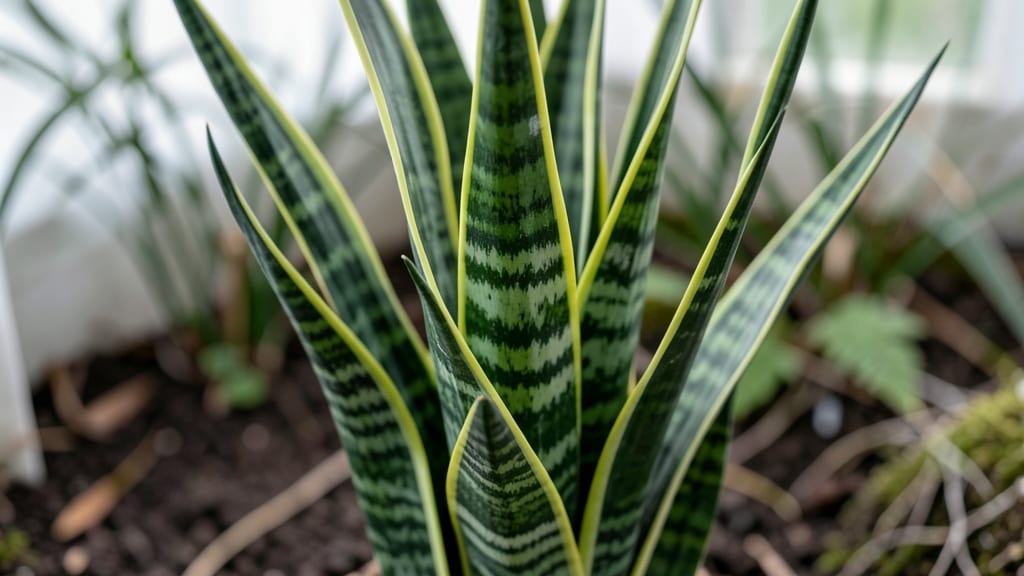
If you’ve ever wondered just how tall can snake plant grow in your home, the answer might surprise you—some varieties stretch taller than you’d expect, while others stay compact and manageable. This resilient 🌱 thrives with minimal care, making it a favorite for both beginner and experienced plant parents alike.
The height of your snake plant depends on its variety and growing conditions. Some can reach 3 to 4 feet indoors, while others stay shorter, around 1 to 2 feet.
Whether you’re dealing with a towering 'Futura Superba' or a bushy 'Hahnii,' understanding these differences helps you plan your space and care routine.
Don’t worry if your snake plant starts to stretch too tall—there are simple ways to control its height. From pruning tips to choosing the right pot size, I’ll show you how to keep your plant at your desired height without sacrificing its health or beauty.
Ready to learn how to manage your snake plant’s growth and keep it looking its best? Let’s dive into the details so you can enjoy this low-maintenance plant at the perfect size for your home.

Snake plant height by variety: compact vs. towering types
If you’ve ever admired your snake plant stretching toward the ceiling, you’re not alone! These hardy plants—scientifically known as Sansevieria trifasciata—come in a stunning array of varieties, each with its own height potential.
Some stay compact and bushy, while others grow tall and dramatic. Let’s explore the height ranges you can expect from popular varieties and what influences their growth.
The mature height of a snake plant depends on its variety, age, and growing conditions. Most varieties reach their full height within 3-5 years, though some may continue growing slowly afterward.
For example, the classic 'Laurentii' variety can tower up to 3-4 feet tall, while the 'Hahnii' (also called "Bird's Nest") stays much shorter, rarely exceeding 1-2 feet in height.
Here’s a quick look at how different varieties compare in terms of height and growth habits:
| Variety | Mature Height | Growth Habit | Notes |
|---|---|---|---|
| 'Laurentii' | 3-4 ft | Upright, tall | Classic variety with yellow edges; grows slowly but steadily. |
| 'Futura Superba' | 2-3 ft | Compact, bushy | Wider leaves; ideal for smaller spaces or as a tabletop plant. |
| 'Hahnii' | 1-2 ft | Rounded, rosette | Dwarf variety; perfect for hanging baskets or shelves. |
| 'Moonshine' | 2-3 ft | Upright, medium | Bright, chartreuse leaves; grows faster than 'Laurentii'. |
| 'Twist' | 3-4 ft | Twisted leaves, tall | Unique twisted foliage; needs space to grow vertically. |
Did you know that light exposure plays a huge role in determining how tall your snake plant grows? Plants in bright, indirect light tend to grow taller and more upright, while those in low-light conditions may stay shorter but become leggy.
For example, a 'Laurentii' in a sunroom might reach 4 feet, whereas the same plant in a dim corner could max out at 2 feet but with stretched-out leaves.
Another factor is the pot size. Snake plants in smaller pots tend to grow more slowly and stay compact, while those in large containers or the ground can reach their maximum height.
If you’re growing your snake plant in a container, choose one that’s only slightly larger than the root ball to encourage bushier growth rather than excessive height.
The age of the plant also matters. Young snake plants grow quickly in their first 2-3 years, adding 1-2 feet per year. After that, growth slows to just a few inches annually.
This is why many gardeners repot their snake plants every 2-3 years to refresh the soil and encourage new growth.
If you’re concerned about your snake plant becoming too tall, don’t worry—there are ways to control its height and even propagate new plants from the top growth. For instance, you can prune the tallest leaves and root them in water or soil to create a bushier plant.
This not only keeps your snake plant at a manageable height but also gives you free plants to share with friends!
One of the most fascinating aspects of snake plants is their adaptability. Whether you have a tiny apartment or a spacious garden, there’s a variety that will thrive in your space.
For example, the 'Hahnii' variety is perfect for shelves or hanging baskets, while the 'Twist' variety adds a dramatic touch to larger rooms or outdoor gardens.
Remember, the health of your snake plant is just as important as its height. These plants are incredibly drought-tolerant and thrive on neglect, but they do best with well-draining soil and moderate watering.
Overwatering can lead to root rot, which stunts growth and weakens the plant. Aim to water your snake plant only when the top 2 inches of soil are completely dry.
Whether you love the look of a tall, towering snake plant or prefer a compact, bushy variety, there’s a perfect fit for every space.
By choosing the right variety and providing the ideal growing conditions, you can enjoy a snake plant that’s not only beautiful but also perfectly sized for your home.
How to control snake plant height: pruning and growth tips
Managing your snake plant’s height starts with understanding its natural growth patterns. While some varieties like 'Futura Superba' can reach 4 feet tall, others like 'Hahnii' stay compact at just 1 to 2 feet.
The key to controlling height lies in light exposure, pot size, and pruning techniques—all of which encourage bushier, fuller growth instead of elongated stems.
If your snake plant is stretching too tall, it’s likely reaching for more bright indirect light. Move it closer to an east or west-facing window or use a grow light for 6-8 hours daily. This helps the plant grow wider rather than taller, keeping it proportional to your space.
Another effective way to control height is by repotting every 2-3 years. When roots become root-bound, they compete for nutrients, causing the plant to stretch upward. Choose a pot that’s only 1-2 inches wider than the current one to encourage outward growth instead of vertical spikes.
For varieties prone to height, like 'Moonshine' or 'Laurentii', try pinching back the tips of the tallest leaves. This stimulates branching and creates a fuller, more compact shape. Just be sure to wear gloves—snake plant leaves can be sharp!
Seasonal care also plays a role. In spring and summer, when growth is most active, fertilize lightly with a balanced 5-5-5 NPK every 6-8 weeks. Avoid heavy feeding in fall and winter, as the plant enters dormancy and growth slows naturally.
If you’re growing your snake plant in a hanging planter, consider trimming the longest leaves to maintain symmetry. This not only controls height but also adds a neat, intentional look to your display.
With these simple adjustments, you can enjoy a snake plant that stays at your desired height while thriving in your home. Whether you prefer a towering statement piece or a compact desk companion, the choice is yours!