
Plants
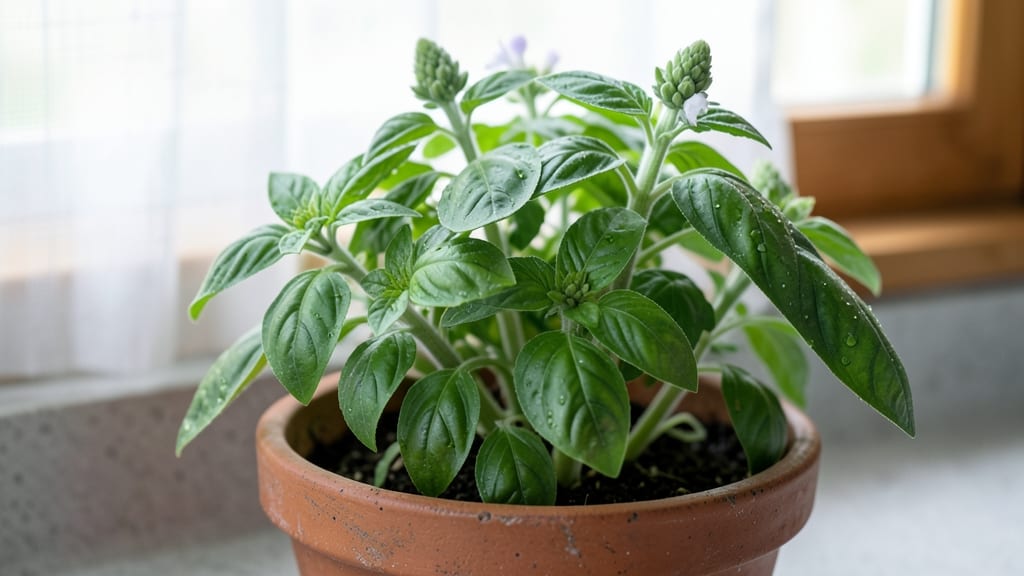
If you’ve ever wondered "how tall can a basil plant grow", the answer isn’t as simple as you’d think. That towering, leggy basil you’ve seen in grocery stores? It’s not the plant’s natural form—it’s a sign of neglect.
With the right care, your 🌿 basil can stay compact, bushy, and packed with flavor, rather than stretching toward the sky like a skyscraper.
The truth is, basil’s height depends entirely on how you manage it. Left unchecked, most varieties can reach 18 to 24 inches, but that’s not ideal for harvests. The key to keeping it shorter—and more productive—lies in simple techniques like pruning and pinching.
These methods encourage your plant to branch out, giving you more leaves without the towering stems.
Whether you’re growing basil in a pot on your windowsill or in your garden, understanding these growth habits will transform your harvest. You’ll learn how to control height, choose the right varieties for your space, and even troubleshoot common mistakes that make basil grow too tall.
Let’s dive into the secrets of keeping your basil lush, flavorful, and perfectly sized.
From dwarf varieties that stay under 12 inches to standard types that can stretch taller, we’ll cover everything you need to know. Ready to turn those scraggly stems into a thriving, compact basil plant? Let’s get started.

Natural basil growth height: what to expect without pruning
If you’ve ever let your basil grow wild without pruning, you’ve likely seen it stretch toward the sky like a sunflower chasing light. Left unchecked, most basil varieties can reach heights of 18 to 24 inches—taller than a standard kitchen knife but still compact compared to towering sunflowers.
This leggy growth happens when the plant focuses energy on vertical expansion rather than leaf production, often due to insufficient light or neglect.
The genetics of your basil variety play a huge role. Standard types like Genovese or Sweet Basil naturally grow taller, while dwarf varieties like Spicy Globe max out around 6 to 12 inches.
Without pruning, even dwarf basil can stretch if conditions aren’t ideal, proving that height isn’t just about variety—it’s also about care.
Here’s the kicker: basil grows tall because it’s desperate to reach sunlight. When your plant doesn’t get enough light, it elongates its stems in a bid for survival, a phenomenon called etiolation.
This results in weak, spindly stems that are prone to flopping over and produce fewer leaves. Imagine growing a tomato plant in a dark corner—it’ll stretch and struggle, just like your basil.
Environmental factors like water, soil, and temperature also influence height. Overwatering or poor drainage can stunt root growth, forcing the plant to grow upward for stability. Meanwhile, hot afternoons without shade can stress the plant, leading to rapid but weak vertical growth.
Even the container size matters—root-bound basil will grow tall as it searches for space.
Let’s talk numbers: unpruned basil typically hits its full height in 6 to 8 weeks under ideal conditions. However, if you’re growing it indoors near a south-facing window, expect slightly slower growth (around 12 to 18 inches) due to limited light.
Outdoor basil, basking in 6+ hours of sun, will reach its full potential height faster.
Now, here’s where things get interesting: basil doesn’t just grow tall—it also becomes woody and less flavorful as it matures. Those towering stems produce fewer leaves, and the ones it does make are often bitter. That’s why pruning isn’t just about aesthetics; it’s about harvest quality and plant health.
If you’ve ever seen a basil plant in a grocery store, chances are it’s been neglected. Those tall, sparse stems with a few large leaves at the top?
That’s etiolated basil at its worst. The good news? With the right care, you can keep your basil compact, bushy, and flavorful—no matter the variety.
Here’s a quick comparison to set expectations: dwarf basil stays under 12 inches, semi-dwarf hits 12 to 18 inches, and standard basil can easily top 24 inches if left unchecked. The difference isn’t just in height—it’s in yield, flavor, and longevity.
🌿Understanding your basil’s natural growth height is the first step to controlling it. But here’s the secret: pruning doesn’t just stop tall growth—it encourages bushier, more productive plants.
By pinching off the top sets of leaves, you trigger the plant to branch out, creating a denser foliage that’s perfect for pesto or fresh salads.
So, if your basil is already reaching for the sky, don’t panic. With the right techniques—like regular pruning and proper sunlight—you can coax it back into a manageable, leafy powerhouse.
And the best part? Those pruned stems are perfect for harvesting, giving you more flavorful leaves without sacrificing plant health.
Natural basil growth height: what to expect without pruning
If you’ve ever let your basil plant grow wild without pruning, you’ve likely seen it reach heights of 18 to 24 inches or more. This isn’t the plant’s natural, ideal form—it’s a sign of neglect or poor growing conditions.
Without regular pruning, basil plants stretch toward sunlight, producing long, leggy stems with fewer leaves. This happens because the plant prioritizes vertical growth over bushy foliage when it doesn’t receive the signal to branch out.
The natural height of basil depends on its variety and growing conditions. Most standard varieties, like Genovese or Sweet Basil, can grow 18 to 24 inches tall if left unpruned.
However, this height isn’t optimal for harvesting leaves, as the plant focuses energy on stem elongation rather than leaf production. The result? Fewer leaves, weaker flavor, and a plant that’s less productive for your kitchen.
Environmental factors also play a huge role in how tall your basil grows. Insufficient sunlight (less than 6 hours daily) or inconsistent watering can trigger leggy growth. Overcrowding in the garden or pot also forces basil to stretch upward for light and space.
Even the soil quality matters—poor nutrition or compacted soil can stunt root growth, leading to weaker stems that bend or break under their own weight.
🌱
| Variety | Unpruned Height | Pruned Height | Best For |
|---|---|---|---|
| Genovese | 18–24" | 12–18" | Pesto, containers |
| Sweet Basil | 20–28" | 14–20" | General cooking |
| Spicy Globe | 6–12" | 6–12" | Small pots, windowsills |
| Thai Basil | 24–30" | 18–24" | Asian dishes |
🌿 Note: Pruning encourages bushier growth and prevents legginess.
One common misconception is that basil’s height is solely determined by genetics. While some varieties, like Thai Basil, naturally grow taller (up to 30 inches unpruned), others like Spicy Globe stay compact at just 6 to 12 inches.
However, even the tallest varieties can be controlled with the right pruning techniques. The key is to intervene early—once your basil starts stretching, it’s harder to correct the leggy growth habit.
To keep your basil at its ideal height, focus on pruning and light exposure. Regular pinching (removing the top sets of leaves) signals the plant to branch out instead of growing tall.
Pair this with 6+ hours of sunlight daily and consistent watering, and you’ll see a bushier, more productive plant. Even if your basil starts tall, don’t despair—with a little effort, you can transform it into a compact, leafy powerhouse.
Remember, the goal isn’t just to control height but to maximize leaf production. A well-pruned basil plant will give you 30–50% more leaves than an unpruned one, all while staying at a manageable height.
Whether you’re growing basil in a container or garden bed, these techniques will keep it lush, flavorful, and perfectly sized for your needs.