
Plants
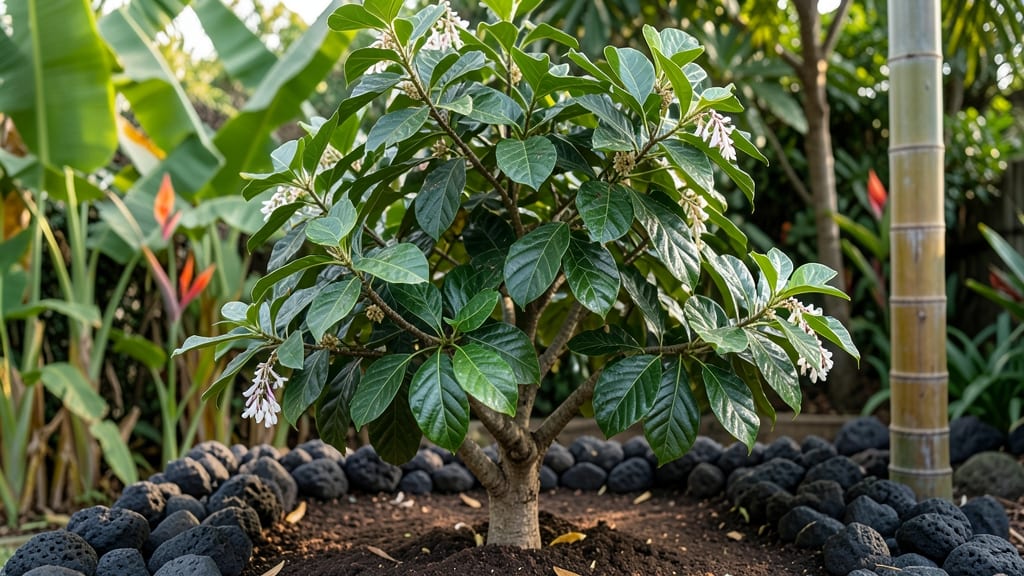
If you’re dreaming of growing your own ☕ coffee plant but wondering how tall does a coffee plant grow, the answer might surprise you—these tropical beauties can range from compact 6-foot shrubs to towering 30-foot trees, depending on the variety and care you provide.
Most gardeners assume coffee plants need a sprawling backyard, but dwarf varieties like 'Nana' stay manageable at just 6-10 feet, making them perfect for containers or small urban gardens. Meanwhile, traditional shade-grown Arabica or Robusta can stretch skyward, requiring careful pruning to keep them in check.
What’s most important is understanding how height changes over time—from a 2-4 foot seedling in its first year to a mature tree ready for harvest in 3-4 years.
The key lies in pruning techniques, sunlight exposure, and soil conditions, all of which we’ll break down to help you control growth and maximize yield.
Whether you’re a beginner or a seasoned gardener, this guide will help you learn how to grow coffee plants that fit your space—whether you want a compact houseplant or a full-sized tropical tree. Let’s get started!

Coffee plant height by variety: from dwarf to giant trees
Coffee plants are fascinating because their height can range from a manageable 6 feet to towering 30-foot giants, depending on the variety and growing conditions. If you're planning to grow coffee at home, understanding these differences is key to choosing the right type for your space and climate.
The most common varieties—Arabica and Robusta—have distinct growth habits. Arabica, known for its delicate flavor, typically grows between 10 and 15 feet at maturity, while Robusta, which is hardier and more productive, can reach up to 30 feet in ideal tropical conditions.
But don’t let those numbers scare you—dwarf varieties exist too!
Here’s a quick comparison to help you visualize the differences:
| Variety | Mature Height | Growth Rate | Best For |
|---|---|---|---|
| Arabica (Standard) | 10–15 ft | Slow to moderate | Shade-grown farms, high-altitude gardens |
| Arabica (Dwarf, e.g., 'Nana') | 6–10 ft | Moderate | Containers, urban gardens, balconies |
| Robusta (Standard) | 15–30 ft | Fast | Large farms, tropical climates |
| Robusta (Semi-Dwarf) | 10–15 ft | Moderate | Small farms, mixed cultivation |
For home gardeners, dwarf Arabica varieties like 'Nana' are ideal because they stay under 10 feet and can thrive in containers. These varieties are perfect for patios or small yards, while standard Arabica or Robusta might overwhelm a backyard unless you have ample space.
If you're growing coffee in USDA zones 10-12, you’ll find that standard varieties thrive in full sun with partial afternoon shade. In cooler zones like 9b+, dwarf varieties are your best bet—they’re more adaptable to temperature fluctuations and can even handle brief exposure to cooler weather.
One misconception is that all coffee plants need to be tall to produce good beans. In reality, pruning and training can significantly influence height. Many commercial growers prune their plants to keep them between 10 and 15 feet, making them easier to harvest and manage.
This technique also encourages thicker foliage, which leads to higher yields.
For container gardening, choose a variety like 'Nana' and ensure your pot is at least 18 inches deep with drainage holes. Coffee plants in containers can still reach 6 to 8 feet, but regular pruning will keep them in check.
Just remember—coffee plants love acidic soil (pH 6.0-6.5) and consistent moisture, so plan your space accordingly.
Whether you're aiming for a compact patio plant or a towering shade tree, selecting the right variety is the first step. Next, we’ll explore how coffee plants grow over time and how you can control their height at each stage.
How coffee plant height changes through growth stages
Understanding how your coffee plant grows over time is key to managing its height effectively. In their first year, coffee plants typically reach just 2-4 feet, making them manageable even in small gardens or containers.
This initial growth phase focuses on establishing a strong root system and a few sturdy branches.
By year two, your coffee plant will experience a growth spurt, shooting up to 6-10 feet. This is when pruning becomes crucial to shape the plant and encourage bushier growth rather than a single tall stem.
Many gardeners use this stage to train their plants into a more compact form.
Here’s how your coffee plant’s height progresses year by year, along with expert tips to control its growth at each stage:
If you’re growing coffee plants in containers, you’ll need to prune more aggressively to keep them under 10 feet. Dwarf varieties like 'Nana' are ideal for this, as they naturally stay shorter and produce cherries at a more accessible height.
For in-ground plants, focus on selective pruning to encourage lateral growth rather than vertical expansion.
Pruning isn’t just about height control—it also improves air circulation, reduces disease risk, and boosts fruit production. Aim to prune your coffee plant twice a year: once after the harvest season and again in early spring before new growth begins.
This keeps the plant healthy and ensures it stays within your desired height range.
For gardeners in cooler climates, remember that coffee plants grow more slowly and may never reach their full height potential. In these cases, focus on creating ideal growing conditions—like partial shade and consistent moisture
With the right care, your coffee plant can thrive at any height, whether you’re aiming for a compact houseplant or a full-sized tropical tree. The key is patience and consistent pruning to shape it over time.