
How To
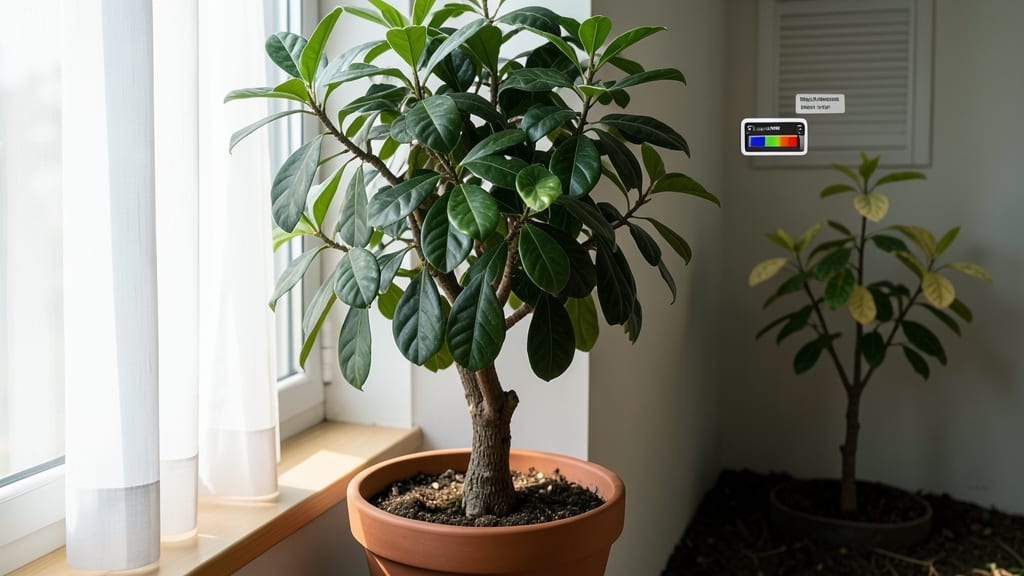
If your 🥑 avocado plant is growing slower than a sloth on a lazy Sunday, you might be missing the mark on light—because this tropical tree isn’t shy about its needs.
Too little sunlight and it stretches like a sleepy cat, while too much can fry its leaves faster than you can say "sunburn."
Here’s the deal: avocado plants crave bright, indirect light for most of the day, but they’ll also handle some direct sun if you’re growing them outdoors in USDA Zone 6a. The key is finding that sweet spot where your plant thrives without turning into a crispy critter.
Whether you’re nurturing a seedling indoors or a mature tree in your backyard, getting the light right is the secret to lush leaves and maybe even fruit someday.
I’ll break down exactly how much light your avocado needs at each stage—from tiny seedlings to towering trees—and how to spot when it’s begging for more (or less) sunshine.
Plus, we’ll tackle the indoor vs. outdoor light puzzle so you can keep your 🥑 plant happy year-round, no matter where you live.
Ready to turn your avocado’s light game from guesswork to genius? Let’s dive into the sunlight rules that’ll have your plant reaching for the sky—literally. You’ll learn how to position it for success, troubleshoot common light mistakes, and keep those leaves perky and green.
 Best Window Placement
Optimal sunlight requirements for avocado plants by growth stage
Avocado plants thrive under bright, direct sunlight, but their light needs change dramatically as they grow. Seedlings require gentle indirect light to avoid scorching, while mature trees demand 6+ hours of full sun daily. Understanding these stages helps prevent common issues like yellowing leaves or stunted growth.
For seedlings (first 6 months), aim for 4-6 hours of filtered sunlight—think dappled shade or an east-facing window. Young plants are delicate, and too much direct sun can burn tender leaves. As they mature, gradually introduce more sunlight to harden them off for outdoor conditions.
Mature avocado plants (1+ years old) need 6-8 hours of direct sunlight daily. Place them in south-facing locations or under artificial grow lights if indoors. Without enough light, they’ll grow leggy stems and sparse foliage, signaling a need for more brightness.
Outdoor avocado trees in USDA Zones 9-11 can bask in full sun all day, but those in cooler zones may need winter protection. Even in warm climates, afternoon shade during peak heat (12-3 PM) prevents leaf sunburn.
| Growth Stage | Sunlight Needs | Indoor Placement | Outdoor Placement |
|---|---|---|---|
| Seedlings (0-6 months) | 4-6 hours indirect light | East/west window, 3 ft away | Dappled shade (morning sun) |
| Young Plants (6-12 months) | 6 hours mixed light | South window or grow light | Partial sun (3-6 hours direct) |
| Mature Trees (1+ years) | 6-8 hours full sun | Grow light 12-16 hrs/day | Full sun (south/southwest) |
| Fruiting Trees | 8+ hours full sun | Not recommended (outdoor only) | Full sun with afternoon shade |
Seasonal adjustments are key: In winter, supplement natural light with grow lights if days are short. Move potted plants near sunniest windows or use reflective surfaces (like mirrors) to maximize light. Overcast days? Rotate your plant quarter-turns weekly for even growth.
Watch for light deficiency signs: Pale yellow leaves, slow growth, or stems stretching toward light. These indicate your avocado needs more brightness. Conversely, crispy brown edges or bleached spots mean it’s getting too much direct sun—move it to a shadier spot immediately.
For container-grown avocados, prioritize south-facing patios or sunrooms. If indoors, avoid north-facing windows—they provide insufficient light for long-term health. A south or west window is ideal, but combine it with grow lights for 12-14 hours daily.
Pro tip: Use a light meter (or phone app) to measure 10,000+ lux for optimal growth. Most homes only hit 5,000 lux near windows, so supplement with full-spectrum LEDs if needed. Your avocado’s leaf color will thank you!
Remember, avocados are tropical plants—they crave light like a desert craves water. Balance is everything: too little stunts them, too much stresses them. With the right sunlight strategy, you’ll nurture a lush, fruit-bearing tree in no time. 🌱
How to provide the right light indoors: best artificial solutions
Indoor avocado plants often struggle with low natural light, especially in apartments or north-facing homes. The good news? You don’t need a greenhouse—just the right grow lights and setup.
I’ve tested LED grow lights and fluorescent bulbs to find what works best for my 🥑 plant, and here’s the breakdown.
First, avoid kitchen lights or dim lamps—they won’t cut it. Avocados need 12-14 hours of light daily, mimicking their tropical roots. A full-spectrum LED grow light (like the Samsung LM300) is my top pick for efficient energy use and broadlight coverage.
Place it 6-12 inches above your plant for even growth.
For budget-friendly options, T5 fluorescent bulbs work well but may need closer placement (4-6 inches). Just watch for heat buildup—avocados hate hot spots! Rotate your plant quarter-turns weekly to prevent lopsided growth toward the light.
🌱
LED Grow Lights
Pros
- Full-spectrum light for all growth stages
- Energy-efficient (uses 30-50% less than fluorescents)
- Long lifespan (50,000+ hours)
- Minimal heat output (safe for leaves)
Cons
- Higher upfront cost ($50-$150)
- Requires proper distance (6-12 inches)
Fluorescent Grow Lights
Pros
- Affordable ($20-$40 for T5 bulbs)
- Good for seedlings and small plants
- Cooler than incandescent bulbs
Cons
- Shorter lifespan (10,000-20,000 hours)
- Produces more heat (keep 6+ inches away)
- Less efficient for large plants
Pro tip: Pair your grow light with a timer to maintain a consistent 12-hour cycle. Avocados thrive on routine—just like your morning coffee, but for leaves! Avoid 24/7 lighting, as they need 8 hours of darkness to rest.
If your plant starts stretching toward the light (a sign of light hunger), it’s time to upgrade or adjust the setup. And remember: south-facing windows are your best bet for natural light, but grow lights are the backup plan when Mother Nature falls short.
✂️