
Plants
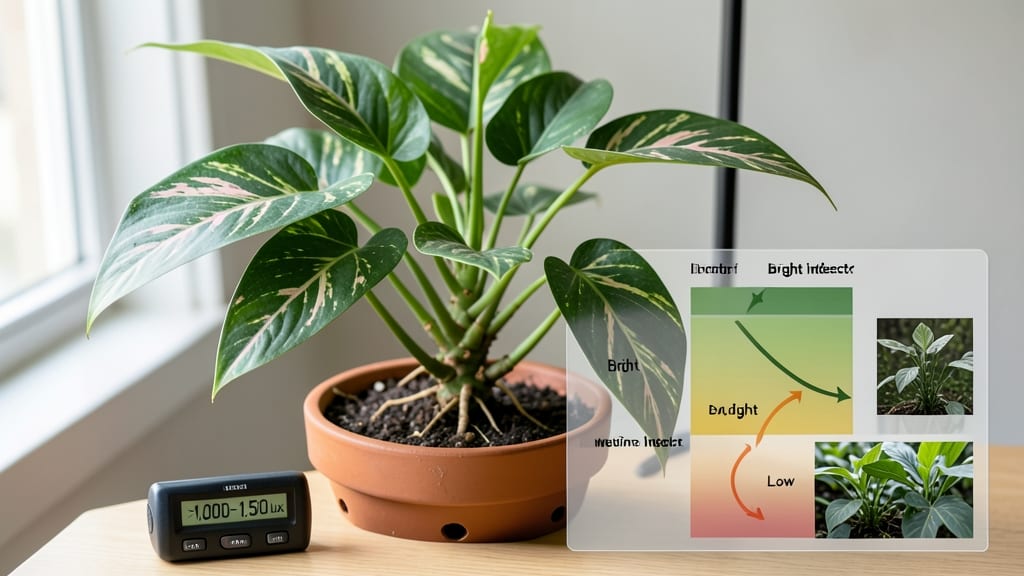
If your Arrowhead Plant 🌿 is struggling to grow—with yellowing leaves or stretched-out stems—you’re probably getting how much light does an arrowhead plant need all wrong. This adaptable houseplant thrives in conditions most people overlook, making it perfect for offices and dim corners where brighter plants fail.
The key to happy growth lies in bright, indirect light—think of it as a plant that enjoys morning sun through sheer curtains rather than harsh afternoon rays.
Too much direct sunlight will scorch those beautiful arrow-shaped leaves, while too little causes that classic "leggy" growth that makes your plant look sad and weak.
What I love about this plant is how forgiving it is once you understand its light needs. Whether you're dealing with a north-facing window or need to supplement with grow lights, I'll show you exactly how to create the perfect environment for your Arrowhead Plant 🌿 to flourish.
Let's dive into the simple adjustments that will transform your struggling plant into a lush, vibrant centerpiece in just a few weeks. Trust me, your green thumb will thank you for these easy fixes that work every time.
 Best Window Placement
Arrowhead plant light requirements: ideal conditions for healthy growth
The arrowhead plant (Syngonium podophyllum) thrives in bright indirect light, making it perfect for homes with limited sunlight. Unlike sun-loving plants, it avoids harsh rays that cause leaf burn.
Think of it as the Goldilocks of houseplants—not too dark, not too bright, but just right for most indoor spaces.
In nature, arrowhead plants grow under the canopy of tropical forests, where dappled sunlight filters through leaves. Recreating this environment indoors means placing your plant near a north- or east-facing window, where morning sun gently illuminates without overheating.
South- or west-facing windows can work too, but only if you use a sheer curtain to diffuse the intensity.
| Light Requirement | Specification | Ideal Location |
|---|---|---|
| Bright Indirect Light | 4-6 hours of filtered sunlight daily | East or north-facing window |
| Low Light Tolerance | Survives in offices or dim corners | 10+ feet from windows |
| Direct Sunlight Risk | Leads to brown patches or crispy edges | Avoid south/west windows without filters |
| Artificial Light | LED grow lights 6-8 inches above plant | Basements or windowless rooms |
💡 Pro Tip: Rotate your plant weekly to ensure even growth.
During summer months, when sunlight is most intense, your arrowhead plant may need extra protection. If you notice yellowing leaves or brown tips, it’s a sign of too much direct sun.
Move the plant 2-3 feet back from the window or use a light sheer curtain to create a buffer. In winter, when natural light dims, supplement with a 12-hour grow light to maintain its energy levels.
Watch for leggy growth—long, sparse stems with large gaps between leaves—as a red flag for insufficient light. This happens when your plant stretches toward any available light source, often seen in north-facing windows or deep corners.
The fix? Move your plant closer to a bright indirect light source or add a small LED grow light nearby. Even a south-facing window with a sheer curtain can work wonders for leggy arrowheads.
For variegated varieties like 'White Butterfly' or 'Pink Allusion', light needs are slightly higher. These plants require more bright indirect light to maintain their striking patterns, as variegation relies on photosynthesis.
Without enough light, the white or pink sections may revert to green, losing their unique appearance. Aim for 6 hours of bright indirect light daily for these showstoppers.
If you’re unsure whether your space is too dark, perform the "shadow test": Place a white piece of paper near your plant’s usual spot. If the shadows are soft and diffused (like on a cloudy day), it’s ideal.
If the shadows are sharp and defined, the light is too direct. Adjust accordingly to keep your arrowhead plant happy and healthy.
Remember, arrowhead plants are highly adaptable, but they’ll always perform best in bright indirect light. With the right placement, you’ll enjoy lush, arrow-shaped leaves and vibrant foliage year-round. Start with these guidelines, and don’t hesitate to experiment—your plant will thank you with new growth and glossy leaves!
Arrowhead plant light requirements: ideal conditions for healthy growth
Your Arrowhead Plant (Syngonium podophyllum) thrives in bright indirect light, which mimics its natural understory habitat. This means placing it near a window where sunlight filters through sheer curtains or a light-colored shade.
Direct sunlight will scorch those beautiful arrow-shaped leaves, while too little light causes the classic leggy growth that makes plants look weak and sad.
The ideal light spectrum for arrowhead plants falls between 40-60% brightness of full sunlight. Think of it as the light you'd find in a well-lit office or under a canopy of trees.
This plant is incredibly adaptable, making it perfect for homes with limited natural light or offices where harsh afternoon sun isn't an issue.
🌱 Pro Tip: If you're unsure about your space's light levels, try this simple test: Hold your hand near the plant's leaves. If you can comfortably read a book with the light shining on the page, your arrowhead plant is likely getting the right amount of indirect light.
| Light Condition | Description | Best Window Placement |
|---|---|---|
| Bright Indirect Light | 4-6 hours of filtered sunlight (40-60% brightness) | East or North-facing windows, 2-3 feet away |
| Low Light Tolerance | Survives in 20-30% brightness (offices, dim corners) | West-facing windows with sheer curtains |
| Avoid Direct Sunlight | Leads to leaf burn and brown spots | South-facing windows without protection |
Seasonal adjustments are key to keeping your arrowhead plant happy year-round. During summer months, when sunlight is more intense, move your plant slightly farther from windows or use a light-colored curtain to diffuse the rays.
In winter, when natural light is scarce, consider supplementing with a grow light for 6-8 hours a day to maintain healthy growth.
One common mistake I see is placing arrowhead plants in south-facing windows without protection. While they can tolerate some direct morning sun, harsh afternoon rays will quickly cause damage.
If you notice brown spots or crispy edges on the leaves, it's a clear sign your plant is getting too much direct sunlight. Simply move it a few feet back or add a sheer curtain to filter the light.
For those with variegated arrowhead plants, pay extra attention to light requirements. These varieties often need slightly more light to maintain their striking patterns.
If you notice the white or yellow variegation fading to green, it's a sign your plant needs more bright indirect light to keep those beautiful colors vibrant and true.