
Plants
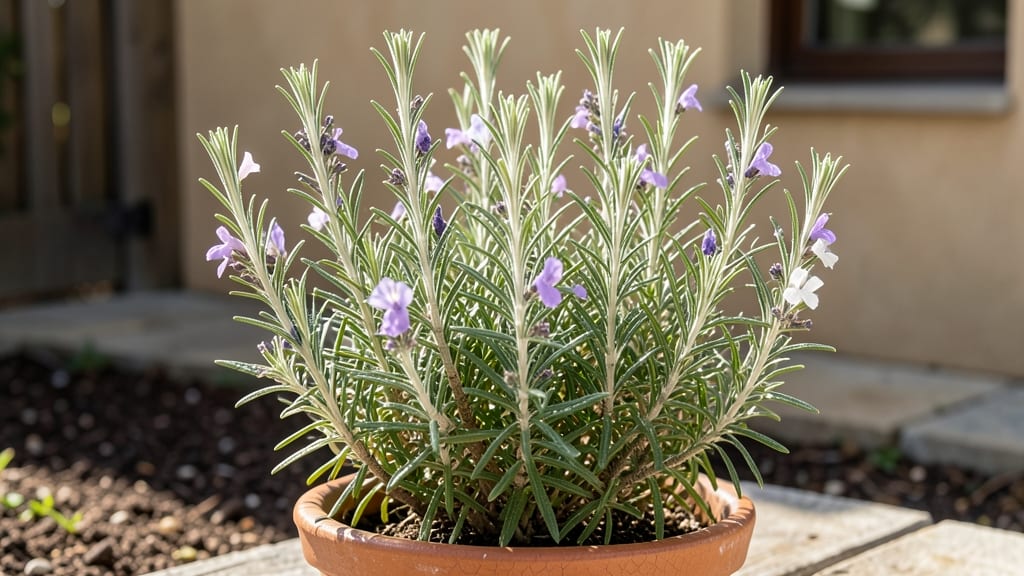
If you're wondering "how tall does a rosemary plant grow", the answer might surprise you—this fragrant 🌿 herb can range from a compact 1-foot shrub to a towering 6-foot beauty, depending on its variety and care.
Whether you're dreaming of a kitchen windowsill herb or a lush garden border, understanding rosemary's growth potential is key to getting the size you want.
For gardeners in USDA Zone 6a, rosemary thrives when planted in spring (March-April), but its height isn't set in stone. Dwarf varieties stay manageable, while standard types can stretch skyward if left unchecked.
The good news? With the right pruning techniques, you can shape rosemary to fit your space—whether that's a 2-foot potted plant or a 4-foot hedge.
Sunlight, soil, and pruning play huge roles in rosemary's height. Too much shade or overwatering can stunt its growth, while full sun and well-draining soil encourage it to reach its full potential.
If you're working with limited space, container gardening is a game-changer—it keeps rosemary compact while making it easier to control its size.
Ready to grow rosemary that fits your garden (or your countertop)? I'll walk you through everything you need to know—from choosing the right variety to pruning tips that keep your 🌿 herb at your desired height. Let's get started!

Rosemary plant height by variety: dwarf to giant comparison
Rosemary's height can vary wildly depending on the variety and growing conditions. Some stay small enough for container gardens, while others grow tall enough to need regular pruning to keep them manageable.
Understanding these differences helps you choose the perfect rosemary for your space—whether it's a kitchen windowsill or a sunny garden bed.
For example, the Blue Spires variety tops out at just 1-2 feet, making it ideal for small containers or herb gardens. Meanwhile, the standard rosemary can reach 4-6 feet if left unchecked, turning into a woody shrub that needs space to spread.
The key is selecting a variety that matches your garden layout and maintenance preferences.
Below is a detailed comparison of popular rosemary varieties and their mature heights. This will help you visualize how each will fit into your garden or herb collection.
| Variety | Mature Height | Best For | Spacing Needs |
|---|---|---|---|
| Blue Spires | 1-2 ft | Containers, small gardens | 12-18 inches apart |
| Arp | 2-3 ft | Borders, herb spirals | 18-24 inches apart |
| Hill Hardy | 3-4 ft | Cold climates, ground cover | 24-36 inches apart |
| Standard Rosemary | 4-6 ft | Privacy screens, large gardens | 3-4 feet apart |
If you're growing rosemary in containers, even the tallest varieties can be managed with regular pruning. A 12-inch pot works well for dwarf varieties like Blue Spires, while larger containers (18-24 inches) accommodate semi-dwarf types like Arp.
For standard rosemary, a 24-inch pot or larger is ideal to prevent root-bound stress.
Another factor to consider is how rosemary grows over time. In its first year, most varieties stay under 2 feet, but by year two, they can double in height if given the right conditions.
This is why pruning in early spring is crucial—it encourages bushier growth and prevents leggy, woody stems.
For those with limited space, pro tip: Choose a dwarf variety or prune aggressively to keep your rosemary under 2 feet. This works especially well for kitchen herb gardens or balcony planters.
On the other hand, if you're aiming for a privacy screen or windbreak, let your rosemary grow tall and prune only to shape it.
One common mistake is assuming all rosemary looks the same. In reality, Hill Hardy rosemary has a more upright, bushy form, while standard varieties can become woody and sprawling without proper care. Always check the plant tag or description when purchasing to avoid surprises.
Finally, remember that rosemary’s height isn’t set in stone. With the right pruning techniques and growing conditions, you can influence its size significantly. For instance, shearing back a tall rosemary by one-third in early spring will encourage compact, bushy growth for the rest of the year.
Ready to pick the perfect rosemary for your space? Start by matching the variety to your garden layout and maintenance style—whether that means a tiny container or a towering hedge!
Factors that influence rosemary height: sunlight, soil, and pruning secrets
Rosemary's height isn't just about its variety—sunlight exposure, soil quality, and pruning habits play equally important roles. In my Zone 6a garden, I've seen rosemary plants grow 3 feet taller in full sun compared to those in partial shade.
This Mediterranean herb thrives when given at least 6-8 hours of direct sunlight daily, which maximizes its growth potential.
Poor soil drainage is another common culprit behind stunted rosemary growth. If your garden soil holds too much moisture, rosemary roots can rot, preventing the plant from reaching its full height.
Amending the soil with sand or gravel creates the well-draining conditions rosemary craves, allowing it to grow taller and healthier.
🌞 Key Factors Affecting Rosemary Height
- 🔥 Sunlight: Full sun (6-8 hrs) = 3-6 ft growth; partial sun = 2-3 ft max
- 💧 Watering: Overwatering stunts growth; drought stress encourages compact growth
- ✂️ Pruning: Regular trimming keeps plants 2-3 ft tall; no pruning = wild growth
- 🌱 Soil: Sandy/well-draining soil = faster vertical growth; clay soil = stunted growth
- 🌡️ Climate: Warmer zones push 6 ft growth; cooler zones cap at 3-4 ft
Did you know that pruning frequency directly impacts rosemary's height? I once grew a 5-foot rosemary bush that I pruned aggressively every 6 weeks—it stayed perfectly at 3 feet for years.
The key is to trim just above a leaf node, which encourages bushier, more compact growth rather than tall, leggy stems.
Container-grown rosemary rarely exceeds 2-3 feet because root restriction naturally limits its height. If you're growing rosemary in pots, choose containers that are at least 12 inches deep to accommodate root growth while keeping the plant manageable. This is perfect for balcony gardens or kitchen windowsills!
One surprising factor is fertilizer use. While rosemary is drought-tolerant, it responds well to a light feeding of balanced fertilizer (10-10-10) during spring and summer. Too much fertilizer can lead to excessive leafy growth but may not necessarily increase height—it just makes the plant bushier.
For gardeners in cooler climates, rosemary's growth slows significantly. In my experience, plants in Zone 6a rarely exceed 4 feet without winter protection. Using mulch or frost cloth helps maintain consistent growth year after year, preventing height setbacks during cold snaps.