
Planting
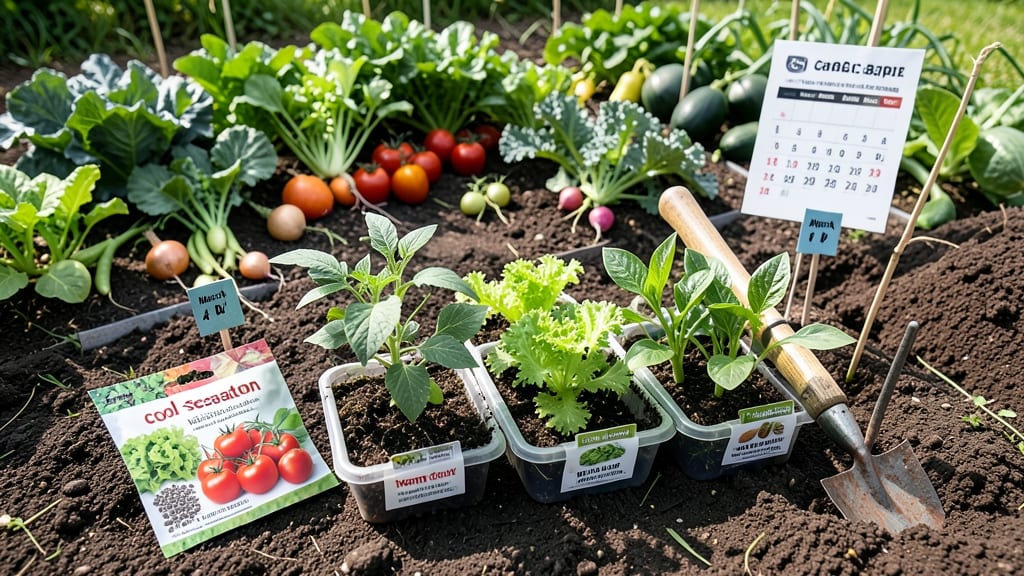
When to plant garden in Zone 7 isn’t just about checking a calendar—it’s about unlocking the secret to a garden that thrives all season long. With the right timing, you’ll avoid frost bites on tender seedlings and maximize harvests that make your neighbors green with envy. Whether you’re sowing cool-season greens or warm-weather tomatoes, getting the window right is the difference between a perfect harvest and a disappointing one.
Zone 7’s unique climate means you’ve got two prime planting windows: spring and fall. But here’s the catch—planting too early can leave your 🌱 General Garden Plants vulnerable to late frosts, while waiting too long might mean missing the sweet spot for peak growth.
I’ll break down exactly when to start seeds indoors, when to transplant outdoors, and how to adjust for your specific microclimate, whether you’re in the Piedmont or near the coast.
Let’s cut through the guesswork. You’ll discover the exact dates for cool-season crops like lettuce and spinach, plus the best times to sow warm-season favorites like peppers and cucumbers.
Plus, I’ll share my top tips for extending your growing season so you can enjoy fresh produce well into fall—no frost damage in sight.
Ready to transform your garden from good to great? By the end of this guide, you’ll have a foolproof planting schedule tailored just for Zone 7. Let’s get those seeds in the ground at the perfect moment!

Zone 7 planting calendar: exact dates for vegetables, flowers & herbs
Mastering the Zone 7 planting calendar means aligning your garden with nature's rhythm. With last frost dates typically around March 15 and first frost near November 15, you've got a 210-day growing season to maximize.
Whether you're growing cool-season crops like lettuce or warm-season favorites like tomatoes, timing is everything.
Zone 7 spans two sub-zones—7a (0-5°F) and 7b (5-10°F)Piedmont's cooler nights or coastal areas' milder winters. These differences shift planting windows by 1-2 weeks. For example, coastal gardeners might plant spinach in early February, while inland gardeners wait until mid-March.
Here’s the golden rule for Zone 7: Cool-season crops go in 4-6 weeks before last frost, while warm-season crops need to wait 2-3 weeks after last frost for soil to warm. Skipping this step means stunted growth or lost harvests.
| Plant Type | Ideal Planting Window | Last Frost Adjustment | Notes |
|---|---|---|---|
| Cool-Season Veggies | Feb 15 - Mar 15 (Spring) / Aug 15 - Sep 15 (Fall) | 4-6 weeks before last frost | Lettuce, spinach, kale, peas, broccoli |
| Warm-Season Veggies | Apr 1 - May 1 (After last frost) | 2-3 weeks after last frost | Tomatoes, peppers, cucumbers, beans |
| Herbs | Mar 1 - Apr 15 (Spring) / Aug 15 - Sep 15 (Fall) | Soil temp ≥50°F | Basil, parsley, cilantro, thyme |
| Annual Flowers | Apr 15 - May 15 (Spring) / Aug 1 - Sep 15 (Fall) | After soil warms to 60°F | Marigolds, zinnias, petunias |
| Perennials | Sep 1 - Oct 15 (Fall) or Mar 1 - Apr 15 (Spring) | Established roots before winter | Daylilies, lavender, hostas |
| Bulbs | Sep 15 - Oct 31 (Fall) | 6-8 weeks before first frost | Tulips, daffodils, crocus |
*Adjust dates 1-2 weeks earlier for Zone 7b or coastal areas; later for Zone 7a or inland regions.
For warm-season crops, don’t rush—soil temperature matters more than air temperature. Use a soil thermometer to confirm 60°F+ before planting tomatoes or peppers. In Zone 7a, wait until April 15 to avoid cold snaps; in Zone 7b, you might start as early as March 20.
Succession planting is your secret weapon in Zone 7. Instead of planting all your lettuce at once, stagger seeds every 2 weeks from March to August. This ensures a continuous harvest and prevents bolting (when plants flower prematurely due to heat).
Try this with bush beans, radishes, and carrots for a non-stop bounty.
Fall planting in Zone 7 is just as critical as spring. Start cool-season crops like kale and spinach in mid-August for a harvest before first frost. For overwintering crops (e.g., garlic or onions), plant by October 15 so they establish roots before winter dormancy.
Pro tip: Use row covers or cold frames to extend your season by 3-4 weeks in spring or fall. These protect tender seedlings from late frosts or early chills, giving you an earlier start or later finish. Just remove covers during the day in warm weather to avoid overheating.
Don’t forget herbs—they thrive in Zone 7 with the right timing. Plant parsley and cilantro in early spring or late summer for fall harvests. Basil, however, needs to wait until soil warms in late April or May—planting it earlier risks black stem rot from cold, wet soil.
Track your local frost dates using resources like the National Weather Service or Almanac’s Frost Calculator
Zone 7’s diverse microclimates mean your neighbor’s planting schedule might not work for your garden. Urban heat islands, coastal breezes, and elevation changes can shift your last frost date by weeks. For example, cities like Raleigh (Zone 7b) often warm up faster than rural areas in the Piedmont. Always check your local Almanac or use a frost calendar for your exact location. Soil type plays a huge role too. Clay-heavy soils stay cold longer in spring, while sandy soils warm up quickly. If you’re planting in containers or raised beds, the soil warms 2-3 weeks earlier than in-ground plots. I’ve found that testing soil temperature with a thermometer (aim for 60°F+) is more reliable than guessing. Don’t overlook shade variations in your yard. A north-facing garden might need cool-season crops planted in early March, while a south-facing area can handle tomatoes as early as mid-April. I always sketch my garden layout with sun/shade patterns marked—it’s saved me from wasted seed packets! For container gardening, timing shifts dramatically. Pots heat up faster, so I start peppers and basil in containers by April 1st (vs. May 1st for in-ground). Pro tip: Use black containers to absorb heat for early starts, but switch to white pots after transplanting to prevent overheating. Soil amendments can also adjust planting windows. Adding compost or aged manure warms soil faster, letting you plant warm-season crops 1-2 weeks earlier. I mix in well-rotted compost in late winter to give my garden a head start—it’s made a noticeable difference in my cucumber yields. Finally, watch for unpredictable weather patterns. A late frost in April or an early chill in October can derail your plans. I’ve learned to keep row covers and cold frames handy for protecting young plants. When in doubt, err on the side of waiting—your plants will thank you with bigger harvests and fewer losses.How to adjust planting times for Zone 7’s microclimates & soil conditions
🌡️ Zone 7 Microclimate Adjustments