
Planting
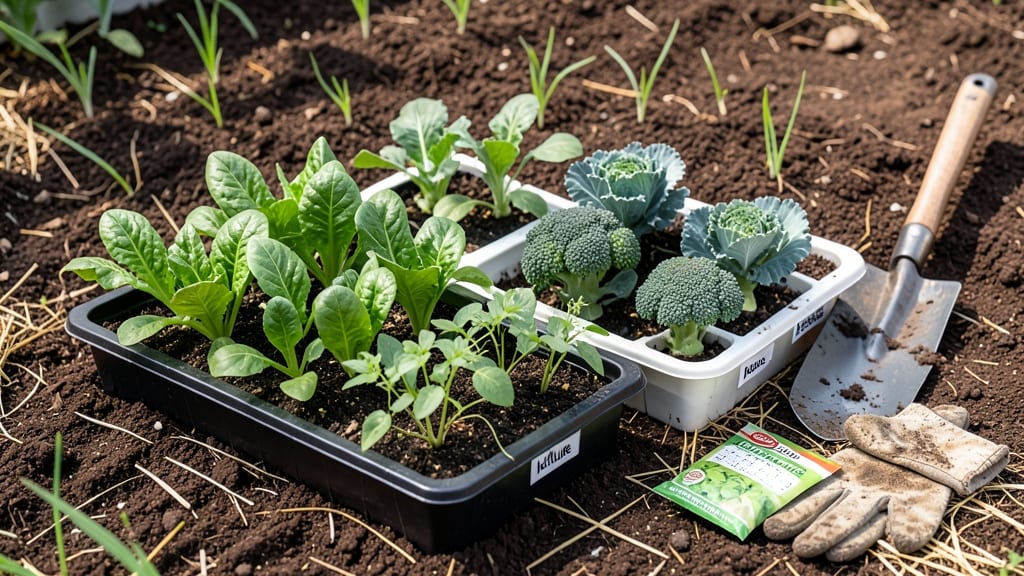
Timing your garden planting in Upstate New York can feel like a high-stakes game—get it wrong, and your 🌱 General Garden Plants might never reach their full potential.
The 5b-6b climate zones here mean frost can linger until mid-April, while summer heat arrives fast, leaving just 150-180 frost-free days to grow your crops.
If you’ve ever watched your seedlings wilt after an unexpected frost or struggled to coax tomatoes to maturity before the first chill, you’re not alone. The key is knowing exactly when to plant—whether you’re starting seeds indoors or sowing directly—so your garden thrives, not just survives.
In this guide, I’ll break down the perfect planting windows for Upstate NY, from cool-season crops like spinach to heat-lovers like peppers, plus how to adjust for your specific microclimate. No more guessing—just a foolproof plan for a bountiful harvest.
Ready to turn your garden dreams into reality? Let’s dive into the exact dates and strategies that work for Upstate NY’s unpredictable weather—so you can enjoy fresh veggies from June through October without the stress.
Upstate NY planting deadlines by zone 6A-6B: last frost dates & safe start times
Upstate New York’s Zone 6A-6B climate means your planting timeline hinges on last frost dates, which typically fall between April 15 and May 15—but can shift 2-3 weeks earlier or later depending on your exact location.
For example, Albany often sees its last frost around April 20, while Syracuse might wait until May 1. Understanding these variations is critical to avoid frost damage to tender seedlings.
In Zone 6A-6B, your growing season spans roughly 150-180 frost-free days, leaving just enough time for two full planting cycles: one in spring and another in fall.
Warm-season crops like tomatoes and peppers need 90+ days to mature, so planting them 2-3 weeks after your last frost ensures they’ll reach harvest before the first fall frost in mid-October.
Here’s the golden rule for Upstate NY gardeners: Plant cool-season crops 4-6 weeks before your last frost (think spinach, kale, and peas) and warm-season crops 2-3 weeks after (like tomatoes, cucumbers, and beans).
Microclimates add another layer—valleys and low-lying areas (e.g., Mohawk Valley) tend to frost later, while hilltops (like parts of the Catskills) can frost 1-2 weeks earlier.
🌱 Upstate NY Planting Timeline by Zone 6A-6B
| Crop Type | Zone 6A (Cooler) | Zone 6B (Warmer) | Notes |
|---|---|---|---|
| Cool-Season Crops | Plant March 20–April 15 | Plant March 25–April 20 | Spinach, peas, lettuce, kale |
| Warm-Season Crops | Plant May 15–June 1 | Plant May 1–May 15 | Tomatoes, peppers, cucumbers |
| Fall Crops | Plant August 1–September 15 | Plant July 20–August 10 | Kale, radishes, carrots |
| Perennials/Shrubs | Plant April 15–May 30 | Plant April 20–June 1 | Roses, lavender, berry bushes |
*Adjust dates 1-2 weeks earlier for lake-effect zones (e.g., Finger Lakes) and later for high-altitude areas (e.g., Catskills).
For Albany, the average last frost date is April 20, but historical data shows frosts as late as May 5 in 20% of years. If you’re eager to plant tomatoes or peppers early, use row covers or a cold frame to protect seedlings until May 15.
In Syracuse, where last frosts can linger until May 10, wait until May 20 to plant heat-loving crops like eggplants and okra, which need 120+ days to mature.
Rochester’s lake-effect climate creates a unique microclimate—warmer summers and cooler springs than inland areas. Here, you can often plant cool-season crops 1-2 weeks earlier (e.g., spinach in late March) and warm-season crops slightly later (e.g., cucumbers in late May). Always check local frost records from the National Weather Service or Cornell Cooperative Extension for your specific town.
If you’re planting seeds indoors for a head start, begin 6-8 weeks before your last frost.
For Upstate NY, that means March 1–March 15 for most vegetables. Herbs like basil and flowers like marigolds can handle cooler temps, so you might start them as early as February 20 under grow lights. Harden off seedlings 10-14 days before transplanting to toughen them up for outdoor conditions.
Pro tip: Use biodegradable pots when transplanting seedlings to avoid root disturbance. For direct-sown crops like beans
How to adjust planting times for Upstate NY’s unpredictable weather patterns
Upstate New York’s weather is famously fickle—one week you’re planting peas, the next you’re scrambling to cover tender seedlings with frost cloth. The 10-year climate trends for Zone 6A-6B show that last frost dates can swing by 2-3 weeks, making flexibility your best friend.
If you’ve ever lost a crop to an unexpected late frost (looking at you, tomatoes and peppers), you know how critical it is to adapt.
Lake-effect snow in the Finger Lakes and cooler high-altitude areas like the Catskills can delay warm-up by weeks compared to cities like Syracuse or Albany. Even within a few miles, microclimates create big differences—valleys warm up faster, while hilltops stay colder longer.
Knowing these nuances lets you fine-tune your planting schedule for maximum success.
- Use row covers to extend spring planting by 2-3 weeks for cool-season crops like lettuce and spinach.
- Plant warm-season crops (tomatoes, peppers) in black plastic mulch to warm soil 5-10°F faster than bare earth.
- Succession plant fast growers like radishes and bush beans every 2 weeks to stagger harvests.
- Monitor lake-effect zones: Areas near Lake Ontario or Lake Erie may have 1-2 week delays in last frost.
- Track your local frost dates for 3+ years—your yard’s history matters more than averages!
For high-altitude areas like the Catskills, aim to plant warm-season crops 2 weeks later than the regional average. In lake-effect zones (e.g., Buffalo or Rochester), you might get an earlier start—but be ready for late-spring frosts that can sneak in.
My go-to strategy? Plant half my tomatoes in mid-May and the other half in early June to hedge against delays.
Don’t forget about fall planting—Upstate NY’s first frost typically arrives in mid-October, leaving room for cool-season crops like kale, spinach, and garlic.
Start these 8-10 weeks before frost (around August 1) for a winter harvest. Pro tip: Use cold frames to extend fall harvests by 4-6 weeks!
If you’re new to adjusting planting times, start with cold-hardy crops like peas and radishes—they’re forgiving if frost hits. For high-risk plants (like eggplants), wait until after Memorial Day or use greenhouse starts to guarantee maturity before frost.
The key is balancing risk with reward—and knowing when to push your luck (or play it safe).
Remember: Upstate NY’s short growing season (just 150-180 frost-free days) demands smart planning. By using row covers, succession planting, and microclimate awareness, you can turn unpredictable weather into a garden advantage. Now go ahead—plant with confidence!