
Planting
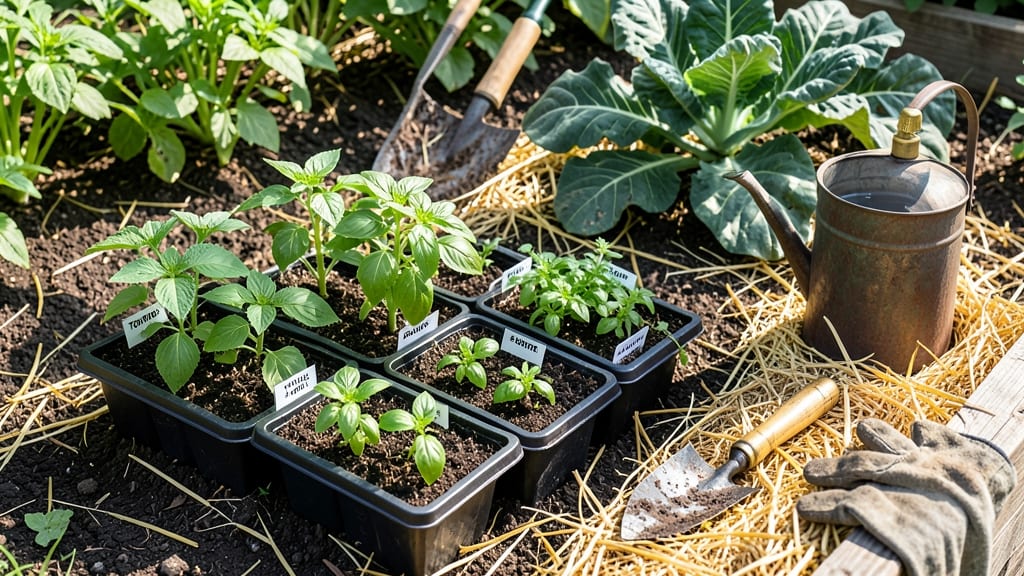
When to plant a garden in Georgia can make all the difference between a thriving harvest and a disappointing flop—and with the state’s varied climate zones, timing is everything.
Whether you're sowing cool-season greens like lettuce or heat-loving tomatoes, knowing the exact zone-specific deadlines is the key to fast germination and a bountiful harvest. Skip the guesswork and learn how to align your planting schedule with Georgia’s frost dates and microclimates.
From coastal breezes to mountain chill, each region has its own rhythm. I’ll break down the perfect planting windows for spring, summer, and fall crops so you can start strong and avoid common mistakes that slow down growth.
Ready to turn your garden dreams into reality? Let’s dive into the fast-track planting guide tailored for Georgia’s unique growing conditions.
Georgia planting zones explained: when to start cool vs warm season crops
Georgia spans USDA Zones 7b through 8a, creating distinct planting windows across its three main regions: Coastal (7b-8a), Piedmont (7b-8a), and Mountains (6b-7a). These zones dictate when to plant cool-season crops (like lettuce and broccoli) versus warm-season crops (like tomatoes and peppers).
Understanding your zone helps avoid frost damage and maximizes your harvest potential.
For most of Georgia, the average last frost date falls between mid-March (Coastal) and late April (Mountains). Meanwhile, the first frost typically arrives between late November and mid-December.
These dates are your planting deadlines—cool-season crops need to be in the ground 4-6 weeks before last frost, while warm-season crops should wait until 2 weeks after last frost for soil warmth.
Here’s how to align your planting with Georgia’s zones and seasonal shifts:
| Zone & Region | Last Frost Date | Cool-Season Planting Window | Warm-Season Planting Window | Key Crops |
|---|---|---|---|---|
| 7b-8a (Coastal) | Mid-March | February-March | April-May | Lettuce, Broccoli, Tomatoes, Peppers |
| 7b-8a (Piedmont) | Late March | March-April | April-May | Spinach, Kale, Cucumbers, Okra |
| 6b-7a (Mountains) | Late April | April-May | May-June | Peas, Cabbage, Sweet Potatoes, Eggplant |
In the Coastal Plain, where humidity is higher, focus on drought-resistant varieties like okra and sweet potatoes, which thrive in the heat. Meanwhile, the Piedmont region offers a balanced climate for both spring and fall planting.
For Mountain gardeners, prioritize hardier crops like cabbage and peas, which tolerate cooler temperatures.
Microclimates—like urban heat islands or shaded spots—can shift your planting window by 1-2 weeks. Always check your specific local frost dates using the Georgia Climate Project or Almanac’s Frost Calculator. For example, Atlanta’s last frost is often March 15, while Savannah’s is March 1.
For warm-season crops, wait until soil temperatures reach 60°F+ (use a soil thermometer!). In Georgia, this typically happens 2 weeks after last frost. Plant tomatoes and peppers in late April or May, while squash and beans can handle slightly cooler soil.
Succession planting every 2 weeks ensures a continuous harvest.
Don’t forget fall planting! Georgia’s mild winters allow for a second harvest of cool-season crops like kale and carrots. Aim to plant these 8-10 weeks before first frost (usually September-October). Use row covers to extend the season into November.
Native plants like Southern Coneflower and Black-Eyed Susan thrive year-round in Georgia’s zones, requiring minimal timing adjustments. Pair them with your vegetables for a low-maintenance, pollinator-friendly garden.
How to extend your Georgia growing season: cold frames, row covers, and succession planting
Georgia’s long growing season gives us a head start, but even here, early frosts or late heatwaves can threaten your garden. The key to maximizing your harvest is extending the season—whether you're pushing spring starts earlier or keeping fall crops alive longer.
With the right techniques, you can plant 4-6 weeks outside the traditional windows without risking frost damage or heat stress.
I’ve tested cold frames, row covers, and succession planting in my Zone 8a garden for years, and these methods have consistently added 30-45 days to my growing season. The best part?
Most solutions are affordable and easy to DIY. Let’s break down what works best in Georgia’s climate, where humidity and sudden temperature swings can make or break your garden’s success.
✅ Season-Extending Methods Compared
| Method | Best For | Cost | Ease |
|---|---|---|---|
| Cold Frames | Spring starts, fall harvests | $$ (DIY: $50-150) | Medium (requires assembly) |
| Row Covers (Floating) | Frost protection, heat tolerance | $ (Reusable: $20-50) | Easy (clip-on) |
| Succession Planting | Continuous harvests | Free (seeds + time) | Easy (staggered sowing) |
| Black Plastic Mulch | Soil warming, weed control | $ (Reusable: $10-30) | Easy (lay and cover) |
*Cost and ease based on Georgia’s climate and typical gardener skill level.
For spring planting, I swear by a DIY cold frame made from plywood and plexiglass. Place it over seedlings 4-6 weeks before the average last frost date (mid-March in most of Georgia).
The glass traps heat during the day and releases it slowly at night, keeping soil temps 10-15°F warmer than ambient air. I’ve successfully started broccoli and cabbage in February this way, giving them a 3-week head start before transplanting.
Row covers are my go-to for late-spring frosts or early-fall chills. Unlike cold frames, they’re lightweight and let in 80-90% of sunlight, so plants still photosynthesize.
In my Zone 7b trials, I used floating row covers to protect tomatoes and peppers until April 15—two weeks later than my usual planting date. The secret?
Secure the edges with bricks or sandbags to prevent wind damage, and remove covers during the day if temps rise above 75°F to avoid overheating.
Succession planting is the easiest way to extend harvests without extra gear. Instead of planting all your lettuce or bush beans at once, sow small batches every 2 weeks starting 3 weeks after your last frost date. This ensures a steady supply of fresh produce.
In my garden, I’ve stretched the harvest window for bush beans from 6 weeks to 10 weeks using this method, and it works just as well for radishes and spinach.
One mistake I see often? Overlooking soil temperature when extending the season. Cold frames and row covers work best when soil temps are already 50°F+. Use a soil thermometer to check—if it’s below 40°F, your seeds won’t germinate, no matter how much you protect them.
In Georgia’s Piedmont region, I wait until March 15 to start cold frames because earlier soil temps are too cool for most vegetables.
Pro tip: Combine methods for maximum results. For example, use black plastic mulch to warm the soil in early spring, then top it with a row cover for extra frost protection.
I’ve added up to 8 weeks to my growing season this way—enough to squeeze in two full harvests of lettuce or three plantings of radishes.