
Flowers
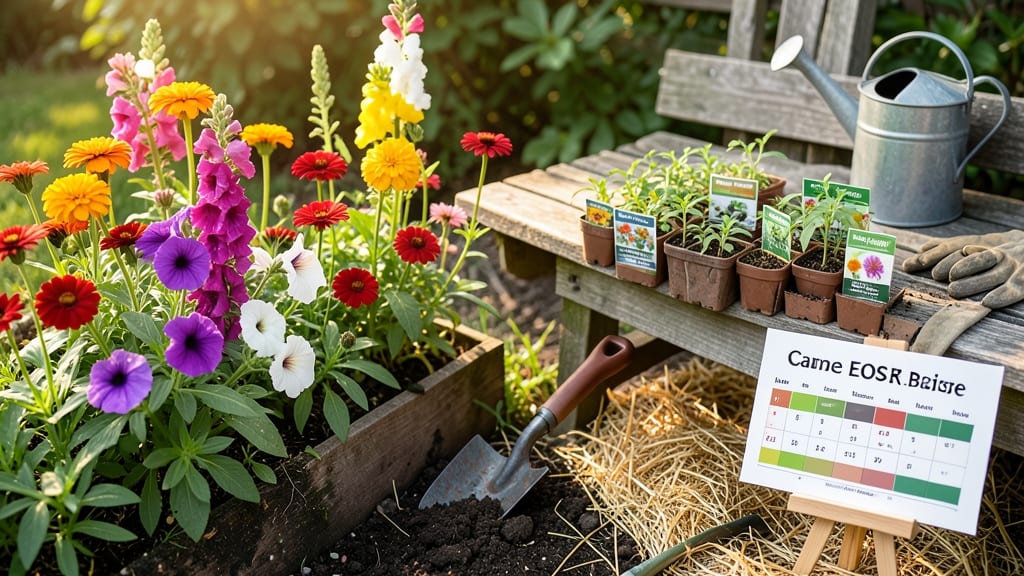
Timing your flowers planting in Boise, Idaho isn't just about following a calendar—it's about reading your microclimate's secrets. Those March-May windows you see in guides? They're just starting points for Boise's 6b zone, where urban heat islands can push spring planting weeks earlier than the foothills.
Imagine this: You plant your 🌸 cosmos in early April downtown, only to watch them bolt in the heat, while your neighbor in the North End gets perfect blooms from the same seeds planted two weeks later. The difference? Understanding how Boise's 150 frost-free days play out differently across neighborhoods.
I've spent years tracking these patterns, and what I'm about to share will help you avoid common mistakes like planting too early in cold pockets or missing the boat on heat-loving annuals.
We'll break down exactly when to put in your perennials, bulbs, and annuals based on real Boise data—not just general rules.
By the end, you'll know not just when to plant, but how to adjust for your specific corner of Boise. Let's get those gardens blooming like never before—without guessing games or wasted seeds.
Boise’s frost-free planting zones: when to plant flowers by microclimate
Boise’s diverse microclimates mean your last frost date could vary by 2-3 weeks depending on where you live. The city spans USDA Zone 6b to Zone 7a, but urban heat islands and elevation changes create distinct planting windows.
Let’s break down the 5 key microclimates and their ideal planting times for annuals, perennials, and bulbs.
First, check your specific zone using the Boise Airport weather station or local garden centers. Urban areas like downtown often experience earlier last frosts (around April 10-15), while high-desert foothills may see frost as late as May 1.
This variation is critical for scheduling your spring and fall plantings.
For annual flowers, aim to plant 2-4 weeks before your average last frost date.
Hardy varieties like pansies and snapdragons can handle light frosts, but tender plants (e.g., petunias, marigolds) need to wait until after April 20 in most zones. Perennials should go in the ground after your last frost, while bulbs like tulips or daffodils can be planted in fall (October-November) for spring blooms.
🌱 Boise Microclimate Planting Guide
| Zone | Last Frost Date | Ideal Planting Window | Best Flowers |
|---|---|---|---|
| Urban Core (Downtown) | April 10-15 | March 15 - April 20 | Pansies, Calendula, Zinnias |
| West Side (Meridian) | April 15-20 | March 20 - April 25 | Marigolds, Petunias, Lavender |
| North End (Kuna) | April 20-25 | March 25 - May 1 | Snapdragons, Coneflowers, Dahlias |
| Foothills (Eagle) | May 1-5 | April 1 - May 10 | Delphiniums, Lupines, Columbines |
| Meridian (Suburban) | April 12-18 | March 15 - April 22 | Sunflowers, Cosmos, Black-Eyed Susans |
🌿 Note: Adjust for heat waves or late frosts using row covers or cold frames.
If you’re planting bulbs for spring blooms, focus on October-November timing. Tulips and daffodils need 6-8 weeks of cool soil to root before winter dormancy. For fall-planted annuals like pansies or calendula, aim for September to enjoy winter-spring color.
For container gardening, you can extend your season by 2-3 weeks earlier or later. Pots warm up faster in spring and cool down quicker in fall, so monitor soil temperature with a thermometer. Keep containers near south-facing walls to maximize warmth during cooler months.
Boise’s first frost typically arrives between October 10-20, but high-desert areas may see frost as early as September 25. Use this timeline to plan fall plantings of cool-season crops like astors and sweet alyssum, which thrive in 50-60°F soil.
Pro tip: Sign up for Boise’s local frost alerts from the National Weather Service or use apps like PlantNet to track real-time conditions. These tools help you adjust planting dates based on unpredictable weather patterns common in Boise’s transition seasons.
Remember, soil temperature matters as much as air temperature. Use a soil thermometer to confirm when it’s 50°
Best flowers to plant in Boise by season: timing for maximum blooms
Boise’s short but intense growing season means selecting the right flowers—and planting them at the perfect time—is key to nonstop color. Cool-season bloomers like pansies and snapdragons thrive in early spring, while heat-lovers such as zinnias and marigolds take center stage in summer.
Let’s break down the best flowers to plant each month, tailored to Boise’s USDA Zone 6b-7a climate.
For spring blooms (March-May), focus on hardy annuals and perennials that tolerate late frosts. Sweet peas and calendulas are excellent choices—they germinate quickly in cool soil and bloom just as summer approaches.
In late summer (August-September), switch to cosmos and sunflowers, which love the heat and still produce vibrant flowers before the first frost hits around mid-October.
🌸 Numbered Highlights: Boise’s Seasonal Flower Planting Guide
- 🌱 February-March: Start pansies, violas, and calendulas indoors or under row covers for early spring color. These tolerate light frosts.
- 🌿 April (after last frost): Plant snapdragons, sweet peas, and petunias in full sun. Mulch to retain moisture as temperatures rise.
- ☀️ May-June: Introduce zinnias, marigolds, and sunflowers for bold summer blooms. Deadhead regularly to prolong flowering.
- 🌻 July-August: Add cosmos, black-eyed Susans, and dahlias for late-season color. Water deeply during Boise’s dry spells.
- 🌼 September: Plant fall asters and chrysanthemums for autumn interest. Choose frost-resistant varieties for October blooms.
Perennials like lavender and coneflowers are low-maintenance workhorses for Boise gardens. Plant them in early spring (April) so they establish roots before summer’s heat. Russian sage and catmint also excel in Boise’s dry climate, requiring minimal water once established.
Don’t overlook bulbs for spring color. Plant tulips and daffodils in October—they’ll naturalize and return year after year. For summer-long blooms, interplant bulbs with annuals like geraniums, which fill gaps as the bulbs fade.
Pro tip: Use Boise’s microclimate to your advantage. Urban areas (like downtown) warm up faster in spring, so you can plant 2-3 weeks earlier than in cooler foothill zones. Always check the Boise Airport weather station for real-time frost alerts before planting tender varieties.
With the right timing and variety selection, your Boise garden can burst into color from early spring through frost. Start with cool-season stars, transition to heat-lovers, and end with frost-tolerant fall bloomers for a year-round floral show. 🌷