
Plants
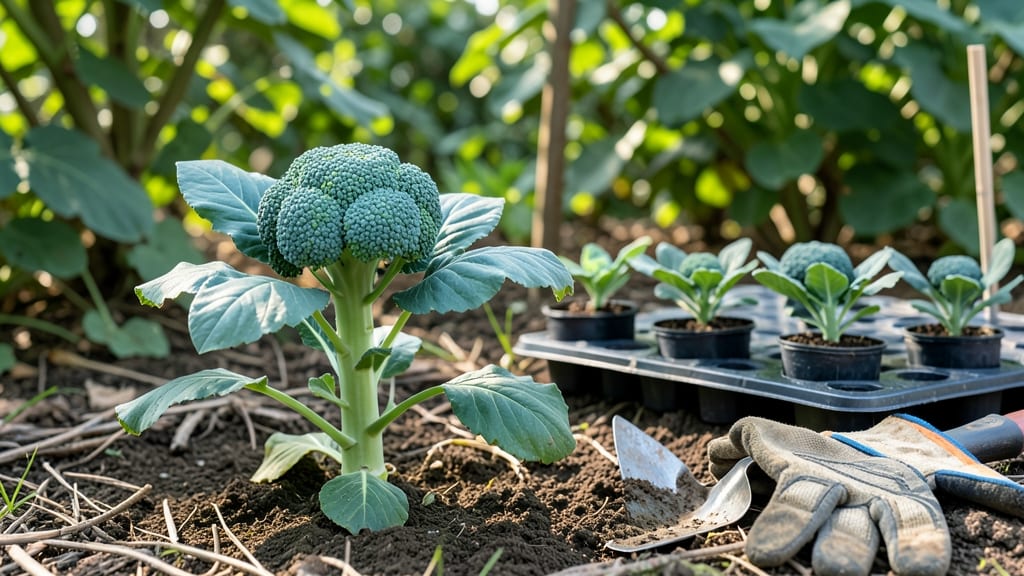
Planting fall broccoli in Zone 7 at the wrong time can mean either bolting from summer heat or getting wiped out by early frost—neither of which you want when you're craving homegrown 🥦.
The key to success lies in that narrow window between mid-August and early September, when temperatures start cooling and daylight shortens just enough to trigger broccoli's natural growth cycle.
I've learned the hard way that timing isn't just about dates—it's about understanding your local microclimate. In Zone 7, where first frosts typically arrive in mid-October, you need to calculate backward from that date to determine when to get seeds in the ground.
This isn't just gardening; it's a strategic game of predicting Mother Nature's next move.
What makes this even more interesting is how different broccoli varieties respond to these conditions. Some mature in just 50 days, while others take nearly 75 days—meaning your planting window could shift by weeks depending on what you choose.
Let me show you exactly how to match varieties with your frost dates for maximum harvest success.
In this guide, I'll walk you through the precise planting schedule, how to adjust for early or late frosts, and which varieties will give you the most reliable results.
By the end, you'll know exactly when to plant your fall broccoli to enjoy fresh, frost-free harvests from October through December—no guesswork required.

Optimal fall broccoli planting dates in Zone 7: exact calendar guide
Timing your fall broccoli in Zone 7 hinges on avoiding two extremes: heat-induced bolting and frost damage. The sweet spot? Planting 4-6 weeks before your first frost date, which for most of Zone 7 falls between mid-August and early September.
This ensures your broccoli matures before temperatures dip below 25°F (-4°C), the threshold where damage occurs.
For Zone 7a (colder end), aim for late August to give plants enough time to bulk up before frost. In Zone 7b (warmer), you can stretch planting until early September.
The key is calculating your average first frost date—typically mid-October—and working backward using your chosen variety’s days to maturity (usually 50-75 days).
Here’s the golden rule: If your broccoli takes 60 days to harvest, plant by September 1st to avoid frost. For slower varieties (75 days), August 15th is your cutoff. Use a 7-day buffer if your fall is unpredictable—plant a few weeks early and thin seedlings later if needed.
🌱 Fall Broccoli Planting Timeline for Zone 7
| Stage | Action | Zone 7a | Zone 7b |
|---|---|---|---|
| Direct Sow | Start seeds indoors or sow outdoors | Late July–August 15 | Late July–August 31 |
| Transplant | Move seedlings outdoors | August 1–September 1 | August 15–September 15 |
| Harvest Window | Peak harvest before frost | October–November 15 | October–December 1 |
| Frost Buffer | Extend season with row covers | +2–3 weeks | +2–3 weeks |
Direct sowing seeds gives you flexibility but requires warmer soil (at least 50°F/10°C). Start seeds indoors 4-6 weeks before your target outdoor date to jumpstart growth. For transplants, choose healthy 4-6 week old seedlings with dark green leaves and no signs of yellowing.
Harden them off for 7-10 days before transplanting to avoid shock.
Pro tip: If your summer is extremely hot, opt for shade cloth (30-50%) over seedlings to prevent bolting. Mulch with straw or grass clippings to keep soil cool and retain moisture. This is especially critical in Zone 7b, where late-summer heat can trick broccoli into flowering prematurely.
For reliable harvests, stagger plantings every 2 weeks from mid-August to early September. This successive planting strategy ensures a steady supply of broccoli heads instead of a single overwhelming harvest. Pair fast-maturing varieties (like ‘De Cicco’) with slower ones (like ‘Calabrese’) to balance your timeline.
Watch for local microclimates—areas near water or with south-facing slopes may stay warmer longer. Use a frost calendar from your local Cooperative Extension Service for hyper-local adjustments.
For example, Raleigh, NC (Zone 7b) might safely plant until September 10th, while Lexington, KY (Zone 7a) should finish by August 25th.
If frost threatens early, row covers can extend your harvest by 2-3 weeks. Lightweight fabric (like frost blankets) traps heat during the day and insulates at night. For extra protection, add a cold frame or low tunnel. Just
Finally, soil temperature matters as much as air temperature. Use a soil thermometer to confirm it’s 50°F+ (10°C+) before planting. Cool soil slows germination and stunts growth. If your soil runs cold, raise beds or plant in black plastic mulch to warm it up faster.
Optimal fall broccoli planting dates in Zone 7: exact calendar guide
Timing your fall broccoli in Zone 7 means starting 4-6 weeks before first frost, typically mid-August to early September. This window ensures your plants mature before the first frost (usually mid-October in Zone 7) while avoiding summer heat stress that triggers bolting.
For direct sowing, aim for late July to early August—broccoli seeds need 50-75 days to harvest, and slower-growing varieties may need an extra week. Transplants, on the other hand, can go in until mid-September since they’re already established.
Here’s the exact planting timeline for Zone 7, including a 7-day buffer to account for early or late frosts:
| Task | Zone 7 Window | Notes |
|---|---|---|
| Direct Sow Seeds | Late July – Early August | Slower varieties need extra time; thin seedlings to 12" apart. |
| Transplant Seedlings | Mid-August – Mid-September | Hardier transplants tolerate cooler soil; water deeply after planting. |
| Last Planting Date | Early September | Use fast-maturing varieties (50-60 days) for late starts. |
| Harvest Window | October – December | Protect with row covers if frost threatens; harvest before heads yellow. |
If your first frost arrives earlier than expected (e.g., late October), shift planting to early August for direct sowing or use cold-hardy varieties like ‘De Cicco’ that tolerate light frosts. Always check your local frost date averages—microclimates can vary by 1-2 weeks.
For reliability, add a 7-day buffer to your planting dates. For example, if your frost date is October 15, plant transplants by September 8 (6 weeks out) or seeds by August 22 (7 weeks out). This accounts for slower growth due to cool soil or pests.
Pro tip: Use black plastic mulch to warm soil in early August, giving seeds a head start. And always harden off transplants for 5-7 days before moving them outdoors to avoid shock.