
Plants
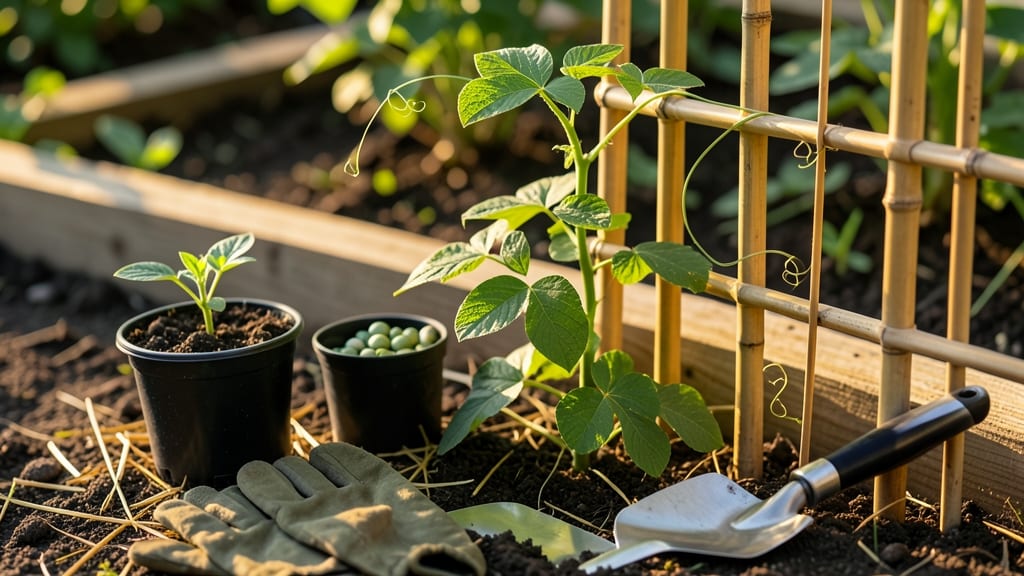
When to plant English peas in Alabama means the difference between a bountiful harvest and wasted effort. Timing your English peas 🌱 just right in Alabama means the difference between a bountiful harvest and wasted effort. Plant too early, and frost will nip your tender shoots before they even sprout. Too late, and you’ll miss the sweet spot for crisp, flavorful pods.
Alabama’s Zone 7B climate gives gardeners two prime windows to plant: late January through early March for spring harvests, and September to early October for fall crops. But getting the timing perfect isn’t just about the calendar—it’s about reading your local microclimate and soil temperature cues.
I’ll walk you through exactly when to start seeds indoors or directly sow, how to adjust for Alabama’s unpredictable weather, and the best varieties that thrive in our short growing season.
By the end, you’ll know the secret to avoiding common mistakes—like overcrowding or ignoring soil prep—that can ruin your pea patch.
Ready to grow a garden full of sweet, homegrown peas? Let’s get started with the foolproof planting schedule that works for Alabama’s unique conditions.
Alabama’s frost-free window for planting English peas (zone 7B guide)
Alabama’s Zone 7B climate creates a narrow but productive window for growing English peas. Unlike cool-season crops that tolerate light frost, peas need consistent warmth to thrive—plant too early, and a late frost will kill tender seedlings.
Too late, and your harvest arrives when summer heat sets in. The key is timing: aim for 4-6 weeks before your last frost date (typically mid-March in most of Alabama).
For spring plantings, late January to early March is ideal, while fall plantings should happen between September and early October. This timing ensures peas mature before summer’s oppressive heat or winter’s first frost.
In northern Alabama (like Huntsville), adjust slightly earlier, while southern regions (like Mobile) can extend the window by a week or two.
🌱 Pro Tip: Use a frost calendar from your local Alabama Cooperative Extension office for precise dates—urban areas often have 2-3°F warmer microclimates than rural zones.
Alabama’s humid summers and clay-heavy soils can stress peas if not managed properly. After planting, focus on consistent moisture—peas need 1 inch of water per week, especially during flowering.
Mulch with straw or grass clippings to retain moisture and suppress weeds, which compete for nutrients in Alabama’s nutrient-dense but often compacted soil.
💡 Local Insight: Gardeners in Birmingham and Tuscaloosa often plant a second fall crop in early August using shade cloth to protect seedlings from late-summer heat. This extends the harvest into late October before frost arrives.
For container gardening (common in urban Alabama), use 5-gallon pots with trellises—peas thrive vertically and save space. Plant 2-3 seeds per pot and thin to the strongest sprout. Containers warm up faster in spring, so wait until mid-March to plant outdoors, even if your last frost is earlier.
🌿 Companion Planting Tip: Pair peas with radishes, carrots, or cucumbers to improve soil nitrogen and deter pests. Avoid planting near onions or garlic, which stunt pea growth.
If you’re new to growing peas in Alabama, start with dwarf varieties like 'Little Marvel'—they’re frost-tolerant and perfect for small spaces. For larger gardens, try 'Sugar Snap' or 'Wando', which handle Alabama’s heat better than traditional varieties.
⏰ Remember: Peas are fast growers—some varieties mature in just 50 days. Plan your planting schedule to stagger harvests and avoid a glut of peas all at once. Succession planting every 2 weeks in spring and fall keeps your table stocked!
Best English pea varieties for Alabama’s short growing season (and how to extend it)
Alabama’s short growing season and humid summers demand fast-maturing, heat-tolerant pea varieties. The right choice means the difference between a bountiful harvest and wilted vines. For spring plantings, prioritize early-maturing varieties (50-60 days) like 'Sugar Snap' or 'Oregon Sugar Pod', which thrive in Alabama’s cooler months.
Fall plantings benefit from mid-season varieties (60-75 days) like 'Wando' or 'Tom Thumb', which handle Alabama’s mild autumn better than traditional peas.
🌱 Pro Tip: Look for disease-resistant varieties like 'Mr. Big' (powdery mildew-resistant) or 'Green Arrow' (heat-tolerant). These are Alabama-approved for our high humidity and occasional fungal pressure.
🌱 Top Pea Varieties for Alabama
Days to Maturity: 60-65
Best For: Spring/Fall
Pros: Sweet, crunchy pods; disease-resistant
Days to Maturity: 65-70
Best For: Fall
Pros: Heat-tolerant; high yield
Days to Maturity: 50-55
Best For: Early Spring
Pros: Dwarf variety; frost-hardy
Days to Maturity: 55-60
Best For: Containers
Pros: Compact; great for small spaces
To extend Alabama’s pea-growing season, try these proven strategies. For early spring, start seeds indoors in late January and transplant after the last frost.
For fall, use shade cloth to protect seedlings from late-summer heat, or plant cold-hardy varieties like 'Sugar Ann' in early November for a March harvest. In urban Alabama, containers with trellises let you grow peas on balconies or patios, even in limited space.
🌿 Companion Planting Boost: Pair peas with radishes or lettuce to maximize space and deter pests. Avoid planting near corn or beans, which compete for the same nutrients and can stunt growth.
For container gardening, choose 5-gallon pots with dwarf varieties like 'Tom Thumb'. Fill pots with well-draining soil mixed with compost—Alabama’s clay-heavy soil drains poorly, so containers help prevent root rot.
Water consistently (peas hate drying out) and fertilize lightly with high-phosphorus fertilizer at planting and again when vines appear.
⏰ Time-Saver Tip: Alabama’s short frost-free window means every day counts. Plant fast-maturing varieties and harvest regularly to encourage more production. If you miss the spring window, don’t despair—fall plantings in September can yield peas until December!
🌱 Final Advice: Monitor your soil temperature—peas won’t germinate below 45°F. Use a soil thermometer to time plantings perfectly. With the right variety and timing, you’ll enjoy fresh, homegrown peas straight from your Alabama garden!