
Trees
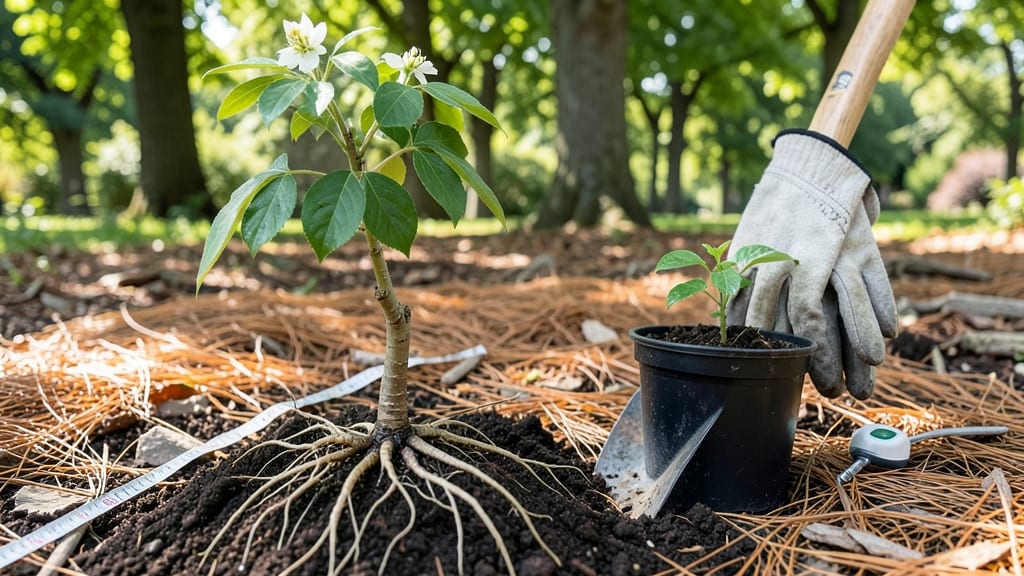
If you're dreaming of a Georgia landscape bursting with stunning spring blooms from your dogwood tree 🌳, the best time to plant dogwood trees in Georgia is critical—and getting it wrong could mean years of disappointment.
The perfect window for planting these iconic trees falls between late fall and early spring, but knowing exactly when to dig in makes all the difference for survival and growth.
Georgia's 7a-8b climate zones create unique challenges, from early frosts in the north to milder winters in the south. Planting too early risks frost damage, while waiting too long can stress young roots before summer heat arrives.
I'll break down the ideal frost-free window so you can align your planting with nature's calendar.
Whether you're adding a bare-root sapling or a potted dogwood to your yard, the right timing ensures your tree establishes strong roots before Georgia's sweltering summers hit. Let's dive into the science of when—and how—to plant for maximum success.
From soil prep to post-planting care, we'll cover everything you need to give your dogwood tree the best possible start. Skip the guesswork and learn the proven methods that keep Georgia gardeners' dogwoods thriving for decades.
Best planting months for dogwood trees in Georgia’s frost zones
Georgia’s dogwood trees (Cornus florida) thrive when planted during their dormant season, which aligns perfectly with the state’s cool fall and winter months.
The ideal window spans from late November through early March, but timing depends on your USDA hardiness zone (7a-8b) and local frost patterns. Northern Georgia (zone 7a) has earlier frosts, while Southern Georgia (zone 8b) enjoys a longer frost-free period.
For maximum root establishment, aim to plant 4-6 weeks before your average first frost date. In most of Georgia, this means November or February.
Bare-root dogwoods planted in late fall (November) benefit from winter rains, while container-grown trees can handle early spring planting (February-March) as long as soil temperatures stay above 40°F.
Soil temperature is critical—dogwood roots need consistent moisture but won’t thrive in frozen or waterlogged ground. Test your soil’s temperature with a soil thermometer (aim for 50-60°F). If your soil is still warm in late fall, delay planting until January or February to avoid stress.
Here’s how Georgia’s USDA zones break down for dogwood planting:
| Zone | Best Planting Window | Soil Temp Goal | Key Consideration |
|---|---|---|---|
| 7a (North GA) | Late November–Early February | 50–60°F | First frost: Mid-November |
| 7b (Central GA) | December–Early March | 50–60°F | First frost: Late November |
| 8a (South GA) | January–March | 55–65°F | First frost: December |
| 8b (Southwest GA) | February–April | 60–70°F | Mild winters, longer window |
Avoid planting dogwoods in summer (June-August)—the intense heat and drought stress young roots, leading to poor establishment. Even early spring (April-May) can be risky if your area experiences late frosts, which can damage new growth.
If you must plant in spring, choose container-grown trees for better survival rates.
Pro tip: In North Georgia (zone 7a), plant bare-root dogwoods in November to let roots harden off before winter. In South Georgia (zone 8b), February-March is ideal for container-grown trees, as soil warms faster. Always mulch heavily (3–4 inches) after planting to retain moisture and regulate soil temperature.
For urban gardeners, consider dwarf varieties like ‘Cherokee Brave’ or ‘Purple Smoke’—they tolerate late planting better than standard dogwoods. These hybrids also handle compact spaces and city pollution more effectively, making them perfect for Atlanta or Savannah landscapes.
Warning: Dogwoods planted in late winter (March-April) without proper watering schedules often suffer from transplant shock. Use drip irrigation for the first 6–8 weeks to keep soil consistently moist. If your area experiences unseasonable freezes, protect young trees with burlap wraps or tree guards.
Remember, dogwoods are slow to establish—rushing the planting process can delay those iconic spring blooms by 1–2 years. Patience and precise timing are key to growing a healthy, long-lived specimen that becomes the centerpiece of your Georgia landscape.
How to time dogwood planting around Georgia’s frost dates
Timing your dogwood planting around Georgia’s frost dates is the secret to avoiding root shock and ensuring your tree thrives 🌳. The last frost date in Georgia typically falls between mid-April (North Georgia) and early April (South Georgia), while the first frost arrives around mid-November.
Planting outside this window risks exposing young roots to extreme temperatures or summer drought.
For bare-root dogwoods, aim to plant between November and early March—this gives roots time to establish before spring growth begins. If you’re planting container-grown trees, the window extends slightly later, up to late March or early April, as their roots are already established in soil.
Here’s how to adjust for your specific microclimate: Check your local USDA zone (7a-8b) and add 2-3 weeks to the frost dates if you live in a warmer microclimate (e.g., near water bodies or urban areas).
Use the National Weather Service or local extension office for precise frost data tailored to your county.
If you miss the ideal window, don’t panic—late spring planting (May) can work if you provide extra shade and consistent watering. However, trees planted in summer often struggle with heat stress and slower root development, reducing their long-term resilience.
⚠️ Critical Warning: Frost Damage Risks
Planting dogwood trees too early (before November) exposes roots to fall frosts, while planting too late (after April) risks summer drought stress. Bare-root trees planted in freezing soil (below 40°F) may fail to establish properly.
For container-grown trees, avoid planting when soil temperatures exceed 70°F—this often happens by late April in North Georgia and early April in South Georgia. Monitor soil temps with a soil thermometer for best results.
To maximize survival, amend your planting hole with organic compost and mulch heavily (3-4 inches) to regulate soil temperature. Water deeply once a week for the first month post-planting, then taper to bi-weekly watering once roots establish. This routine helps mitigate stress during Georgia’s hot, dry summers.
Pro tip: If you’re planting in North Georgia (Zone 7a), prioritize early November planting for bare-root trees, while South Georgia (Zone 8b) gardeners can extend planting into early March. Always choose a partially shaded spot to protect your dogwood from afternoon heat 🌿.