
Plants
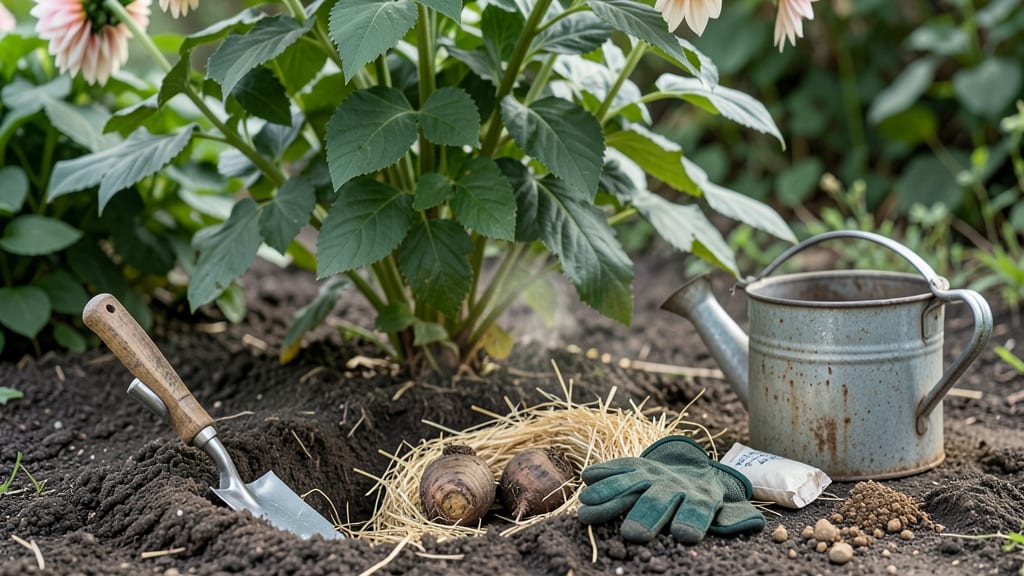
Planting dahlias at the wrong time in South Africa can turn your dream garden into a sad, wilted disappointment—especially when you’ve spent months waiting for those stunning 🌸 blooms to appear.
The secret to success lies in understanding your region’s unique climate, whether you’re in frost-free coastal Cape Town or the slightly warmer interior of Johannesburg.
Most South African gardeners get it right by planting during August to October, when soil temperatures are just warm enough to encourage strong root growth without risking heat stress.
But timing isn’t one-size-fits-all—coastal areas like Cape Town (USDA Zone 9b) can start slightly earlier, while inland regions like Gauteng (Zone 10a) might wait until late August to avoid sudden heat spikes.
What makes dahlias tricky is their sensitivity to soil conditions and temperature swings. Too early, and your tubers might rot; too late, and you’ll miss the peak blooming season from October to May.
I’ll break down the exact steps to prepare your tubers, choose the perfect spot, and keep your dahlias thriving—so you can enjoy a garden bursting with color all season long.
Ready to transform your garden? Let’s dive into the frost-free timeline and care tips that’ll have your dahlias looking their best, no matter where you live in South Africa.
South Africa’s ideal dahlias planting timeline by region
South Africa’s diverse climate means dahlias can be planted year-round in most regions, but timing depends on your local frost risk and soil temperature. Unlike colder climates, we don’t have to wait for spring—just avoid extreme heat or dormant periods.
Coastal areas like Cape Town (USDA Zone 9b) enjoy frost-free growing, while inland cities like Johannesburg (Zone 10a) have milder winters. High-altitude regions like Lesotho may experience light frost, but these are exceptions.
The best planting windows are August–October for spring blooms and February–March for late-season color. This aligns with soil warming and rainfall patterns, ensuring tubers establish before summer’s intensity. For coastal gardeners, February planting works well—avoiding the hottest months of December–January when evaporation spikes.
Here’s how to tailor your dahlia planting schedule by region, including soil prep and watering adjustments:
For coastal gardeners, February planting is ideal—tubers wake from dormancy just as summer rains begin, reducing irrigation needs. Inland areas like Free State should wait until September to avoid soil-borne diseases from lingering winter dampness. Always test soil temperature with a thermometer; dahlias need consistent warmth to sprout.
If you’re in a high-altitude garden (e.g., Lesotho or Drakensberg), treat dahlias like tender perennials. Plant tubers in containers or protected beds during winter, moving them outdoors in September when frost risk passes. These areas can also benefit from black plastic mulch to warm soil faster in spring.
Pro tip: Pre-soak tubers for 24 hours before planting to jumpstart growth. This is especially useful in dry inland regions where soil moisture is limited. Pair this with a slow-release fertilizer (like 5-10-10) to give dahlias a nutrient boost as they establish.
Once planted, stake tall varieties (e.g., ‘Café au Lait’) immediately—South Africa’s westerly winds can snap stems. Use bamboo stakes or cage supports for varieties over 3 feet tall. In humid coastal areas, add fungicide spray (like copper-based treatments) to prevent powdery mildew.
Remember: Dahlias are sun-worshippers—plant them in the sunniest spot you have, even if it means sacrificing a shady tree. In urban gardens with limited space, opt for dwarf varieties like ‘Bishop’ or ‘Fireball’, which thrive in containers and bloom reliably.
🌸
South Africa’s ideal dahlias planting timeline by region
South Africa’s diverse climate means dahlias planting times vary dramatically between regions. While coastal areas like Cape Town enjoy frost-free winters, inland cities such as Johannesburg experience milder winters with occasional light frost.
For most of South Africa, spring planting (August–October) is ideal, but coastal gardeners can also plant in late winter (February–March) for fall blooms.
The key is soil temperature—dahlias need minimum 15°C (59°F) for roots to sprout. In Gauteng and Free State, wait until mid-September when night temperatures stabilize above 10°C (50°F). In KwaZulu-Natal and Eastern Cape, you can start as early as late July due to warmer winters.
Visual Tip: Use a soil thermometer to confirm readiness—plant when soil reaches 18°C (64°F) at 10cm depth. This ensures tubers won’t rot from cold soil.
🌱 South Africa’s Dahlias Planting Guide by Region
| Region | Best Planting Window | Soil Temp Threshold | Key Consideration |
|---|---|---|---|
| Cape Town & Western Cape | August–September OR February–March | 15°C+ (59°F+) | Coastal microclimates allow year-round growth |
| Gauteng & Mpumalanga | Mid-September–October | 18°C+ (64°F+) | Light frost risk in winter; protect tubers |
| KwaZulu-Natal & Eastern Cape | Late July–August | 13°C+ (55°F+) | Warmer winters enable earlier planting |
⚠️ Note: High-altitude areas (e.g., Drakensberg) may need delayed planting until late September due to colder nights.
For coastal gardeners, February–March planting yields late-season dahlias that bloom until May. However, avoid planting in summer (December–January)—the intense heat stresses tubers before they establish roots. Instead, opt for container growing in shaded spots during peak summer.
Pro tip: Mark your calendar for the autumn equinox (March 20–23)—this signals the start of South Africa’s ideal blooming window for spring-planted dahlias. By then, your tubers will have 6–8 weeks of root growth before peak flowering.
🌿