
Plants
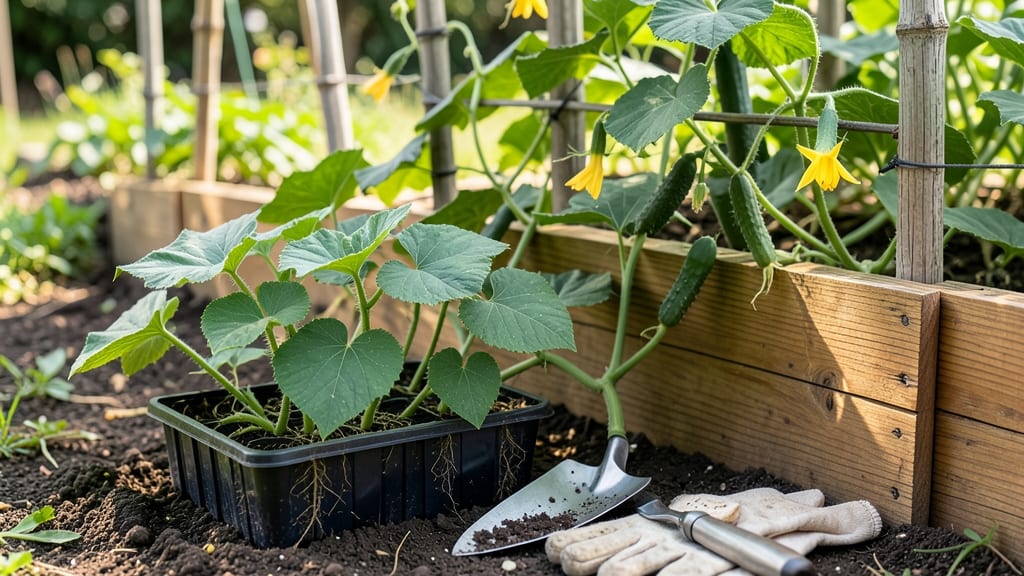
Timing your cucumber planting in Zone 6B can mean the difference between a bountiful harvest and a disappointing flop—get it wrong, and you’ll miss peak growing conditions entirely.
With 🥒 cucumbers thriving in warm soil and long sunny days, knowing the exact window to plant ensures your vines get the head start they need before summer’s heat sets in.
The key to success in Zone 6B is waiting until after your last frost date—typically mid-April to early May—when soil temperatures consistently reach 60°F or higher. Planting too early risks stunted growth from cold soil, while waiting too long might cut your harvest short before fall’s chill arrives.
Whether you’re a seasoned gardener or just starting, I’ll walk you through the exact weeks before last frost to plant, plus pro tips for extending your season with row covers or succession planting. Let’s set you up for a garden full of crisp, homegrown 🥒 cucumbers all summer long.
Don’t let uncertainty hold you back—mastering this timing will transform your garden from a gamble to a guaranteed success. Ready to dig in? Let’s get those cucumbers in the ground at the perfect moment.

Zone 6B cucumber planting calendar: exact weeks before last frost for optimal growth
Getting your cucumber planting timing right in Zone 6B is all about understanding your last frost date and soil temperature thresholds.
Since Zone 6B typically sees its final frost around April 15, you’ll want to plan your planting window carefully to ensure your vines mature before cooler weather returns in October.
The key is waiting until both the air and soil have warmed sufficiently—60°F soil temperature is your magic number for successful germination.
For most gardeners in Zone 6B, the ideal planting window opens about 2-3 weeks after the last frost date, which usually lands in mid-to-late April. This timing gives your cucumber plants enough warm weather to establish roots and produce fruit before summer heat peaks.
However, if you’re growing bush varieties or using protective measures like row covers, you can sometimes plant slightly earlier.
Here’s the critical detail: cucumbers are warm-season crops that cannot tolerate frost. Even a light frost will kill young seedlings, so always wait until the nighttime temperatures consistently stay above 50°F.
In my experience, using a soil thermometer is worth the investment—it eliminates guesswork and ensures you’re planting at the perfect moment.
Now, let’s break down the exact planting timeline for Zone 6B, including both direct sowing and transplanting methods. This summary table will help you visualize the best approach based on your local conditions and preferred growing style.
| Stage | Action | Notes |
|---|---|---|
| Soil Prep | Test pH (6.0-6.8), amend with compost | Do this 4-6 weeks before planting. |
| Start Indoors (Optional) | Seedlings 3-4 weeks before last frost | Use biodegradable pots to avoid root disturbance. |
| Direct Sowing Window | 2-3 weeks after last frost (mid-April) | Plant 1 inch deep, 3-4 seeds per hill, 3-6 ft apart. |
| Transplant Window | 1 week after last frost (early April) | Hardening off seedlings for 7-10 days first. |
| Succession Planting | Every 2 weeks until July | Extend harvest with short-season varieties like 'Bush Champion'. |
| Harvest Window | 60-70 days after planting (June-Sept) | Pick morning for crispest cucumbers. |
If you’re direct sowing, aim for mid-April in most of Zone 6B. This gives your cucumbers enough time to mature before summer heat sets in.
For example, in Northern Illinois or Upstate New York (both Zone 6B areas), gardeners often plant around April 20-25 to align with soil warming trends. Meanwhile, in Southern Indiana or Western Pennsylvania, you might push it to early April if your microclimate warms faster.
For those who prefer transplanting seedlings, start your seeds indoors about 3-4 weeks before your last frost date. This means sowing seeds around mid-to-late March in Zone 6B. When transplanting, choose a cloudy day or late afternoon to reduce transplant shock.
I’ve found that seedlings grown in biodegradable pots establish roots faster and handle the transition better than those in plastic containers.
One of my favorite tricks for Zone 6B gardeners is using black plastic mulch to warm the soil faster. This can shave off 1-2 weeks from your planting timeline by raising soil temperatures by 5-10°F.
Plus, it suppresses weeds and retains moisture—three benefits in one! Just be sure to remove it before the first frost to prevent soil compaction.
Remember, cucumbers thrive in warmth, so the earlier you plant, the longer your growing season becomes. However, don’t rush—planting too early when soil is still cold (below 50°F) can lead to rotten seeds or stunted growth.
Always check your local frost-free date and adjust accordingly. For example, if your area tends to have late frosts, wait until May 1 to be safe.
Finally, keep in mind that Zone 6B has regional variations. Areas near large bodies of water (like Lake Erie) may have cooler springs, while inland regions (like Central Ohio) often warm up faster.
Pay attention to your specific microclimate—your neighbor’s planting schedule might not be ideal for your garden. When in doubt, consult your local cooperative extension service for hyper-local advice.
With these precise planting windows and soil temperature guidelines, you’ll be well on your way to a bountiful cucumber harvest in Zone 6B. The key is patience—waiting for the perfect moment ensures your plants have the best possible start. Happy gardening! 🥒
Zone 6B cucumber planting calendar: exact weeks before last frost for optimal growth
In Zone 6B, cucumbers need warm soil and frost-free conditions to thrive. Your last frost date typically lands around April 15, but soil temperature is the real game-changer—wait until it hits 60°F before planting.
This usually means aiming for 2-3 weeks after your average last frost date, giving you a window of mid-to-late April for direct sowing.
For transplants, you can push things slightly earlier—around early April—if you use row covers or black plastic mulch to warm the soil faster. However, seedlings won’t tolerate cold snaps, so always check your 10-day forecast for frost warnings before committing.
🥒 Cucumbers planted too early suffer from stunted growth or even death, while planting too late risks a shorter harvest before fall’s chill sets in. The goal? Get those seeds in the ground 4-6 weeks before your first heatwave to ensure vines establish roots before summer’s intensity peaks.
| Planting Stage | Zone 6B Timeline | Key Conditions |
|---|---|---|
| Soil Prep | Late March | Amend soil with compost; test pH (6.0-6.8). |
| Start Indoors (Transplants) | Early April | 4-6 weeks before last frost; use grow lights. |
| Direct Sow Seeds | Mid-to-Late April | Soil temp ≥60°F; after last frost. |
| Transplant Seedlings | Late April | Hardened-off seedlings; use row covers if needed. |
| First Harvest | June-July | 50-70 days after planting; pick frequently. |
If you’re direct sowing, plant seeds 1 inch deep and 2 feet apart (or closer for bush varieties). For transplants, space them 18-24 inches apart in rows 3-4 feet apart to allow vines to sprawl. Use trellises to save space and improve airflow, which reduces disease risk.
Pro tip: Black plastic mulch can warm soil by 5-10°F, letting you plant 1-2 weeks earlier in Zone 6B. Just remove it once vines start running to prevent overheating. Pair this with drip irrigation to keep soil moisture consistent—cucumbers hate dry spells.
For a second harvest in late summer, try succession planting every 2 weeks until mid-July. This ensures fresh cucumbers well into September, just before the first frost hits. Just remember: no cucumbers after August 15 in Zone 6B, or you’ll risk immature plants struggling with fall’s chill.