
Plants
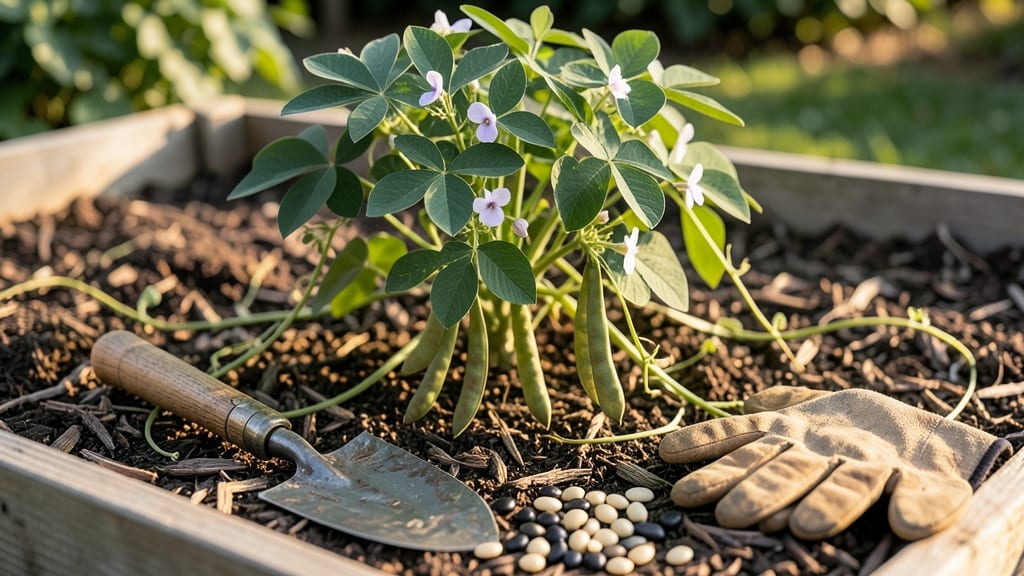
Timing your cowpea planting in Oklahoma could mean the difference between a bumper crop and wasted effort—especially when late frosts sneak in or summer heat arrives too soon. With USDA Zones 6a-7b offering a narrow frost-free window, knowing the exact months to plant is critical for success.
Whether you're a first-time gardener or a seasoned grower, getting the timing right ensures your 🌱 thrives from April through October.
Most Oklahoma gardeners swear by planting cowpeas between April 15 and June 15 for spring harvests, but summer plantings (August–September) can extend your yield well into fall. The key? Wait until soil temperatures hit at least 60°F—any earlier, and frost risks linger, stunting growth.
I’ll break down the best county-specific windows so you can avoid common pitfalls and maximize your harvest.
What if your county has unpredictable springs? Don’t worry—I’ll share pro tips for adjusting planting dates, like choosing fast-maturing varieties or using row covers to protect young plants. Whether you’re in the panhandle or southeastern Oklahoma, these strategies will help you harvest pods from July to November without guesswork.
Ready to grow cowpeas like a pro? Let’s dive into the best planting schedule, soil prep, and care tips tailored to Oklahoma’s unique climate. Your best harvest starts with the right timing—and I’ve got you covered.
Oklahoma’s frost-free planting zones for cowpeas by county (2024 guide)
Oklahoma’s diverse climate—from USDA Zone 6a in the north to Zone 8a in the south—means cowpeas thrive year-round, but timing is critical. Plant too early, and late frosts will kill seedlings; too late, and you’ll miss peak harvest windows.
I’ve broken down the ideal planting windows by county, so you can align your schedule with Oklahoma’s microclimates and avoid common pitfalls.
Most of Oklahoma experiences its last frost between March 15 and April 15, but northern counties like Cimarron or Roger Mills can see frost as late as April 30. Southern regions like Choctaw or Pushmataha often warm up by March 1, giving gardeners an earlier start.
For best results, aim to plant cowpeas 2-3 weeks after your county’s last frost date—or when soil temperatures hit 60°F (15°C).
Spring planting (April–June) yields the most pods, while summer planting (August–September) extends harvests into fall. In Zone 7a/7b, the sweet spot is April 15–June 15 for spring crops, with a second planting in August to beat the heat. If you’re in Zone 8a, you can start as early as March 15 or even late February in sheltered microclimates.
🌱
For northern Oklahoma, where frosts linger, I recommend waiting until May 1 to plant—even if soil warms earlier. In southern counties, you can push the envelope with late February plantings in microclimates or greenhouses, but always monitor NOAA frost forecasts for real-time updates.
Cowpeas love heat and full sun, so August–September plantings in southern Oklahoma can produce pods until first frost in November. Just be sure to choose heat-tolerant varieties like ‘Iron Clay’ or ‘Red Ripple’ to avoid bolting in extreme summer heat.
Pro tip: Use a soil thermometer to confirm 60°F+ soil temps before planting. Cold soil slows germination, and cowpeas won’t tolerate below 55°F. If your county’s last frost is unpredictable, opt for fast-maturing varieties (50–60 days to harvest) to hedge your bets.
🌿
If you’re in Zone 8a, don’t overlook fall plantings. Sow seeds in early September for a late-season harvest before the first frost. Just reduce watering slightly in October to toughen up the plants for cooler temps.
For container gardening, adjust planting dates by 2 weeks earlier—pots warm up faster than in-ground soil. Place containers in south-facing spots and use black plastic mulch to raise soil temps by 5–10°F.
How to adjust planting dates for late frost risks in Oklahoma’s unpredictable spring
Oklahoma’s spring can be as unpredictable as a whirlwind—one day sunny and warm, the next a surprise frost that wipes out tender seedlings. If you’ve ever planted cowpeas too early and watched them shiver under a late frost, you know how devastating this can be.
The key to success? Flexible planting strategies that account for Oklahoma’s USDA Zones 6a-7b and the 3-4 week frost window that can sneak in as late as April.
Most gardeners aim for April 15–June 15 as the ideal window, but if your county (like Garfield or Canadian) has a history of late frosts, you’ll need to adjust. The solution?
Start with fast-maturing varieties like ‘Purple Hull’ (ready in 50-60 days) or use row covers to buy extra time. I’ve planted cowpeas as late as May 1 in my Oklahoma City garden and still gotten a harvest—by choosing the right variety and protecting young plants.
Row covers are my secret weapon for extending the season. A lightweight fabric (like frost cloth) can raise soil temperatures by 2-5°F, giving your cowpeas a head start. Simply drape it over seedlings after planting and remove when flowers appear. For extra protection, combine row covers with black plastic mulch, which warms the soil faster and suppresses weeds. This combo has saved my plants from two late frosts in a row—trust me, it works!
⚠️ Late Frost Warning: Don’t Skip These Steps
If your county’s average last frost is after April 15 (check NOAA’s frost maps), take these actions:
- ❄️ Wait until May 1 for high-risk areas like Cimarron or Beckham counties.
- 🌱 Use cold-hardy varieties like ‘Black-Eyed Pea’ (tolerates 50°F soil temps).
- 🛡️ Cover seedlings with frost cloth until danger of frost passes.
- 📅 Monitor NOAA forecasts—set alerts for 32°F+ temps.
Pro Tip: Plant a test row 2 weeks early in a sheltered spot (like near a south-facing fence) to gauge frost risk.
Another trick I swear by? Succession planting. Instead of betting everything on one planting date, sow a small batch every 2 weeks from April through June. This ensures a continuous harvest from July to October, even if Mother Nature throws a curveball.
For example, if your first planting gets nipped by frost, your second batch (planted 2 weeks later) might just escape the chill.
Don’t overlook soil temperature—it’s just as critical as air temperature. Cowpeas need soil to warm to at least 60°F to germinate properly. Use a soil thermometer (they’re cheap!) to check before planting.
In cooler areas like Roger Mills County, I’ve had to wait until mid-May to reach this threshold. Patience here pays off with faster germination and stronger plants.
Finally, if you’re in Zone 7b or 8a (like Oklahoma City or Tulsa), you can push the envelope with a summer planting in August. This second crop thrives in the heat and gives you pods into November.
Just remember: water deeply (1-2 inches per week) and mulch to retain moisture during Oklahoma’s 90°F+ summers. With these adjustments, you’ll turn frost risks into harvest opportunities—no wasted seeds here!